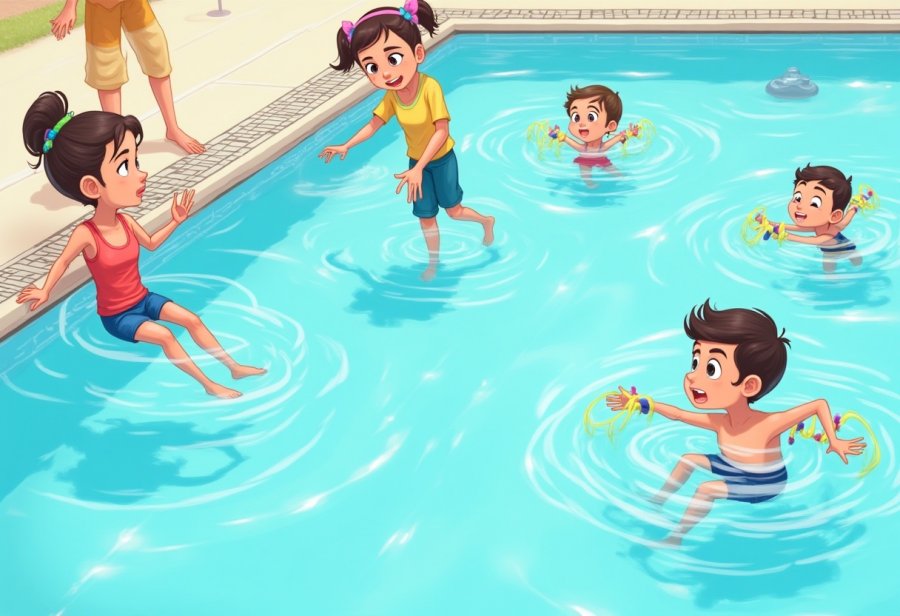
Learning to swim at any age is more than mastering strokes—it’s about transforming fear into confidence and independence. This journey often begins with daunting first steps, especially for adults who may carry lingering anxieties, yet each small effort builds resilience and trust in water. Historically rooted in cultures that revered water’s spiritual and practical significance, swimming today is evolving through innovative, inclusive practices that emphasize safety, enjoyment, and mental well-being. Modern techniques incorporate cutting-edge technology, from virtual reality to AI-driven feedback, making water confidence accessible and engaging for all backgrounds and abilities. As the focus shifts from mere survival to personal growth and joy, the question arises: could the greatest obstacle be simply taking that initial courageous plunge? Embracing this challenge unlocks a world of safety, recreation, and lifelong connection to water—so, are you ready to take the plunge and discover your own transformation?
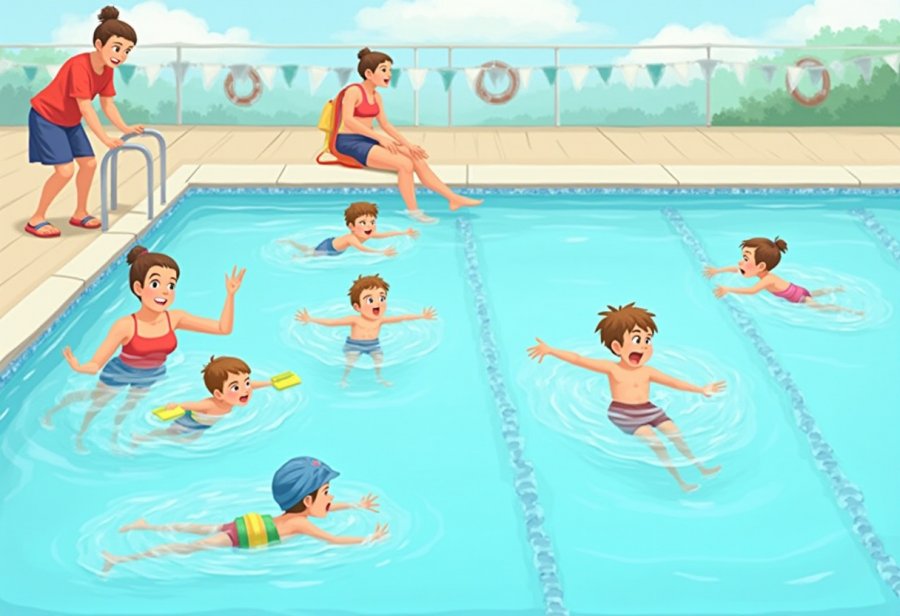
Overcoming Fear and Gaining Confidence in Water
Learning to swim is more than just picking up strokes; it’s about gaining confidence and feeling safe in the water. For many, the idea of stepping into a pool or wading into a lake can trigger hesitation or even fear. That’s completely normal—water can feel intimidating, especially if past experiences weren’t positive or if worries have lingered. But taking that first step, regardless of age, is a powerful act of overcoming mental barriers and opening the door to new possibilities.
The journey to water confidence often begins with simple motivation: a desire to stay safe, enjoy recreational activities, or just feel more comfortable around water. For adults, learning to swim can be about reclaiming control and independence, breaking free from the fear that once held them back. It’s not about becoming a competitive swimmer overnight but about building practical skills that can protect you in unexpected situations—like falling into a pool or natural water body. These skills aren’t just useful; they can be life-saving.
Many people delay learning because they believe it’s too late or that they’re too old to start. But the truth is, learning has no age limit. Every small effort counts—whether it’s floating for a few seconds or taking your first independent strokes. Water confidence isn’t about perfection; it’s about progress. Each time you face your fears and step into the water, you’re actively reshaping your relationship with it, transforming anxiety into calm and control.
Addressing fears head-on makes a real difference. Water anxiety often stems from negative past experiences or feelings of vulnerability. Overcoming that takes patience and support, but it’s entirely within reach. With gentle guidance and encouragement, many find that water becomes a place of peace and even joy. It’s as much about trusting your body as it is about mastering physical skills, and that trust is built gradually.
The act of daring to get into the water marks the beginning of transformation. It’s the moment when hesitation turns into curiosity, and anxiety begins to shift into confidence. With the right mindset and a supportive environment, anyone can start this journey. The goal isn’t perfection but feeling safe, enjoying the process, and celebrating every small victory along the way.
Remember, this is a personal journey unique to each individual. Whether it’s floating confidently, breathing easily, or simply dipping your toes in, each step builds toward greater self-assurance. The initial challenge might seem daunting, but it’s the foundation for lifelong water confidence—an open door to new adventures, safety, and joy just beyond that first courageous plunge.
Swimming Through History: From Sacred Rituals to Global Sport
Swimming has a history that stretches back thousands of years, reflecting its deep roots in human life across different civilizations. Ancient Egypt, Greece, and China recognized water not just as a resource but as an essential part of daily routines, spiritual practices, and social bonds. Egyptian art depicts scenes of swimming and water rituals, suggesting that mastering water skills was both practical and spiritual. In Greece and Rome, swimming evolved into a competitive sport and a martial skill, often linked to military training and physical fitness. These cultures saw water as a space for survival, recreation, and community, emphasizing its multifaceted significance.
Over the centuries, swimming shifted from a vital survival skill to a structured activity with social and competitive dimensions. In the 19th century, organized lessons and clubs emerged as awareness of water safety and health benefits grew. Standardized techniques and safety protocols made swimming more accessible and safer for the public. The rise of competitive swimming, culminating in the first modern Olympics, helped elevate water sports to a global stage, transforming swimming into a shared cultural pursuit beyond necessity.
Different societies have imbued water with symbolic meaning that goes beyond its physical properties. Indigenous communities often regard water as sacred, incorporating it into rituals of purification, renewal, and spiritual connection. Western cultures tend to associate water with leisure, beaches, pools, and social status, shaping attitudes about recreation and relaxation. Public safety campaigns and organizations like the Red Cross have played key roles in promoting water safety and lifesaving techniques, highlighting the importance of water skills for all ages and backgrounds.
Throughout history, influential figures and institutions have shaped how we learn and teach swimming. Pioneers like Johnny Weissmuller helped popularize competitive swimming and set records that inspired generations. Meanwhile, safety organizations developed rescue techniques, CPR, and standardized lessons that save lives daily. Their efforts embed water safety into our collective consciousness, emphasizing that learning to swim is about more than strokes—it’s about building trust, security, and resilience in water.
Recognizing the cultural and historical roots of swimming deepens our appreciation for this vital skill. From sacred rituals to Olympic medals, water has played a significant role in shaping human communities, reflecting values of survival, health, and social connection. These traditions serve as a reminder that water is woven into our identity, linking past practices with present-day pursuits. Understanding this history enriches our motivation to pass on the legacy of water confidence and safety.
Seeing swimming through this historical lens reminds us that learning to swim connects us to a long-standing human story—one marked by adaptation, resilience, and community. It’s a skill that transcends time, culture, and individual experience, fostering a sense of continuity and shared purpose. Whether used for survival, sport, or spiritual practice, water remains a vital part of our collective life, inspiring new generations to approach it with respect, confidence, and joy.
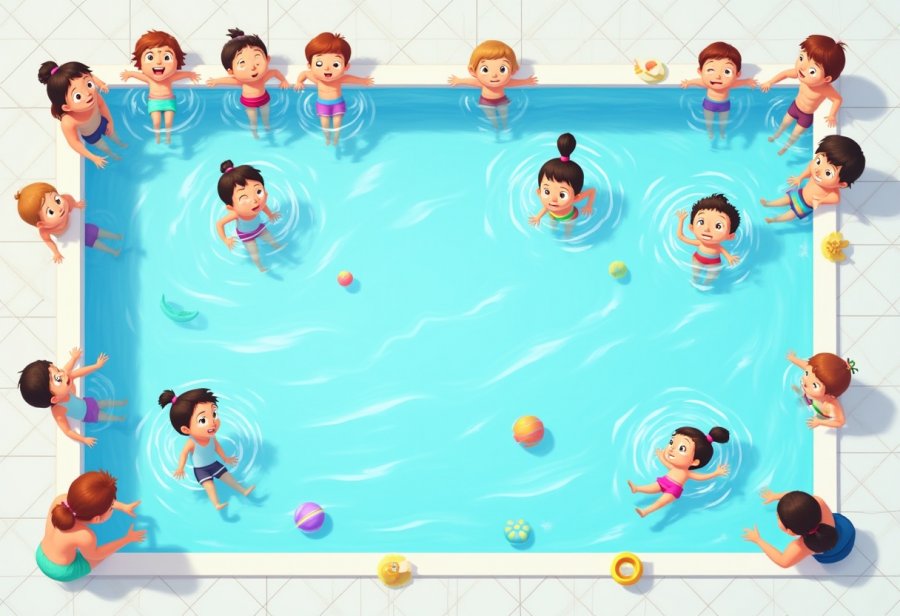
Modern Methods: Creating Inclusive, Engaging Water Education
Today’s approach to learning to swim is more dynamic and inclusive than ever before. Modern programs prioritize creating positive, engaging experiences that build water confidence from the ground up. They often start with fundamental skills like floating, breathing, and simple strokes, tailored to different age groups and comfort levels. Innovative techniques such as video analysis, virtual coaching, and interactive apps help learners see their progress clearly and correct mistakes in real time. These tools make the process less intimidating, especially for adults who might feel self-conscious or overwhelmed, fostering a sense of achievement early on.
The shift in attitude toward swimming emphasizes enjoyment and safety equally. Instructors now focus on making water a welcoming space, encouraging learners to feel comfortable rather than pressuring them to master strokes immediately. Safety standards have become more rigorous, with certifications like CPR and rescue techniques integrated into beginner courses. This ensures that all learners are prepared for emergencies, giving them confidence that they can handle themselves in water environments. Creating a supportive environment helps learners trust their bodies and develop a natural ease in the water.
Inclusivity has become a key focus in modern swim education. Adaptive programs and curricula are designed to meet the needs of individuals with disabilities, ensuring that everyone has access to water skills. Many community organizations partner with local pools to reach underserved populations, breaking down barriers related to cost, transportation, or fear. This approach not only promotes safety but also fosters a sense of belonging, empowering diverse groups to enjoy water confidently and safely. The goal is to make water learning accessible to all, regardless of background or ability.
Emerging technologies continue to reshape how beginners learn. Digital platforms, virtual tutorials, and remote coaching allow people to progress at their own pace, fitting lessons into busy schedules. Wearable devices and smart goggles provide real-time feedback on stroke technique, breathing, and body position, making personal coaching more precise and engaging. Additionally, mindfulness and relaxation exercises are increasingly incorporated to help reduce water anxiety, especially for adults overcoming negative past experiences. These innovations help deepen trust in water and make the journey toward confidence smoother and more enjoyable.
Safety remains at the core of all current practices. Instructors are trained to prioritize supervision, hazard awareness, and rescue skills from the very first lesson. This creates a secure environment where learners feel supported, which is crucial for building trust and reducing fear. When water feels safe and familiar, confidence naturally grows, enabling beginners to move from basic comfort to more advanced swimming skills. Today’s practices aim not just to teach strokes but to foster a lifelong positive relationship with water—making swimming a source of joy, safety, and personal growth for everyone.
Lifelong Benefits: Applying Water Skills for Safety, Health, and Joy
Learning to swim extends far beyond mastering strokes; it offers practical skills that can significantly impact daily life. When you’re comfortable in the water, you’re better equipped to handle unexpected situations, such as falling into a pool, lake, or ocean. Knowing how to float, breathe, and move confidently allows you to stay calm and conserve energy until help arrives or you reach safety. These skills transform water from a potential hazard into a space of security, giving you peace of mind whether at a backyard pool or on a beach vacation.
Water confidence also opens up a world of recreational opportunities. Activities like kayaking, paddleboarding, snorkeling, or simply swimming in a lake become accessible and enjoyable. You no longer need to avoid water-based fun out of fear. Instead, you can participate fully, creating memorable moments with family and friends. Even casual dips in the pool or spontaneous swims during summer outings become sources of joy rather than anxiety, enriching your leisure time and encouraging a more active lifestyle.
Health benefits are another key reason to develop water skills. Swimming is a low-impact exercise that improves cardiovascular health, builds strength, and enhances flexibility. Regular exposure to water can reduce stress, boost mental clarity, and foster a sense of well-being. For many, swimming becomes a sustainable form of exercise that they genuinely look forward to, supporting long-term physical and mental health. As confidence grows, so does motivation to incorporate water activities into daily routines, making health and fitness more enjoyable.
On a social level, water skills facilitate connections and community involvement. Joining local swim groups, participating in community water events, or simply sharing water experiences with loved ones fosters a sense of belonging. These interactions motivate ongoing practice and improvement, creating a supportive environment where water confidence becomes a shared goal. Building these social bonds around water encourages a positive attitude and lifelong engagement with aquatic activities.
For adults overcoming fears or never having learned as children, acquiring these skills is profoundly empowering. Each small step—like floating or swimming a few strokes—reinforces independence and resilience. Feeling secure in water means you can handle unexpected dips or trips to the pool or beach without worry. This newfound confidence transforms water from a source of fear into a space of relaxation and adventure, opening doors to new hobbies and experiences that may have once seemed out of reach.
Ultimately, learning to swim equips you with lifelong skills that enhance safety, health, and enjoyment. It turns water from a potential threat into a realm of fun, relaxation, and connection. Whether for emergencies, recreation, or wellness, these abilities become an integral part of your daily life. Embracing water confidence today sets the stage for a future where water is not something to fear but a space to explore, enjoy, and thrive in.
Innovating the Future: Technology and New Attitudes Transforming Water Learning
The future of swimming education is set to be transformed by innovative technologies and changing attitudes that prioritize accessibility, safety, and enjoyment. Virtual reality (VR), for instance, is beginning to offer immersive practice environments where learners can refine strokes and build confidence without the immediate pressure of being in the water. These simulated experiences help reduce anxiety for beginners and provide familiarization with water movements, making the transition into real water less daunting. Alongside VR, wearable devices and smart goggles are becoming more common, delivering real-time feedback on body position, breathing, and stroke technique. This personalized coaching makes progress more tangible and keeps learners motivated.
Online platforms and mobile apps are breaking down geographical and socioeconomic barriers, making quality instruction available to a wider audience. These digital tools allow users to access tutorials, track progress, and even receive remote coaching at their convenience. Such innovations enable learners of all ages and backgrounds to progress at their own pace, fostering a sense of independence and mastery. For individuals with disabilities, adaptive technologies and tailored curricula are expanding the reach of swim education, ensuring that everyone can develop water confidence regardless of physical challenges.
Attitudes toward water safety and confidence are also evolving. Today, there’s a stronger emphasis on mental well-being alongside technical skills. Programs now often incorporate mindfulness and relaxation techniques aimed at easing water anxiety, especially for adults who may have had negative or traumatic experiences in the past. These approaches help foster a healthier, more positive relationship with water, shifting the focus from mere survival to enjoyment and personal growth. As awareness of mental health benefits increases, water education is becoming a holistic experience that nurtures both body and mind.
Artificial intelligence (AI) promises to further personalize and enhance swim training. AI-driven coaching can analyze individual performance in real time, offering tailored advice and adjustments. Smart monitoring systems may soon alert instructors or caregivers to signs of distress, adding an extra layer of safety. These advancements are set to make swim lessons more effective and reassuring, boosting confidence and reducing fear. For instructors, integrating AI tools can complement traditional teaching methods, providing data-driven insights that help refine techniques and address specific challenges.
Looking ahead, the integration of these emerging technologies and shifting cultural perspectives will make water confidence and safety more accessible than ever. The ongoing innovation aims to create inclusive, engaging, and effective learning environments that encourage lifelong engagement with water. As new tools and methods develop, the goal remains clear: to help more people overcome fears, develop skills, and discover the joy and freedom that come with confident swimming. This evolution promises a future where water is universally seen as a space for fun, health, and connection, open to all.
About the Author