In an increasingly digital world, the simple act of tending a garden together emerges as a powerful avenue for fostering genuine connection and healing. This heartfelt exploration reveals how shared outdoor efforts—planting seeds, nurturing growth, and collaborating side by side—can deepen bonds, reduce stress, and promote emotional resilience. But can something as humble as working the soil truly transform relationships and restore a sense of community? The narrative combines research, case studies, and practical advice to demonstrate that gardening is more than a hobby; it’s a therapeutic ritual rooted in patience, empathy, and teamwork. As urban spaces evolve and technology bridges distances, the future promises accessible, community-centered gardens that nurture relationships in new, innovative ways. Amidst the chaos of modern life, these quiet acts of care mirror our innate need for connection—reminding us that growth, both personal and collective, flourishes best when cultivated side by side.
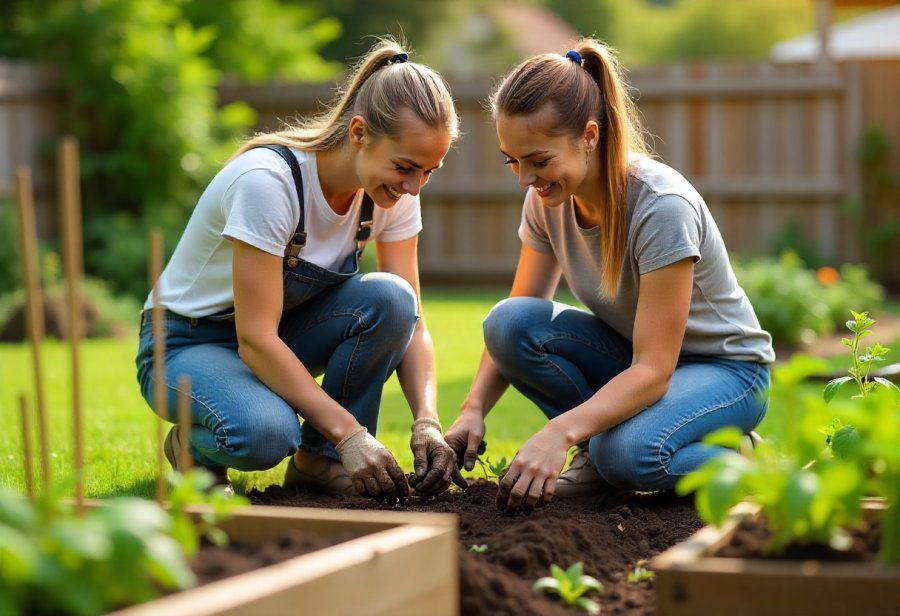
Deepen Connections and Heal Through Garden Bonding
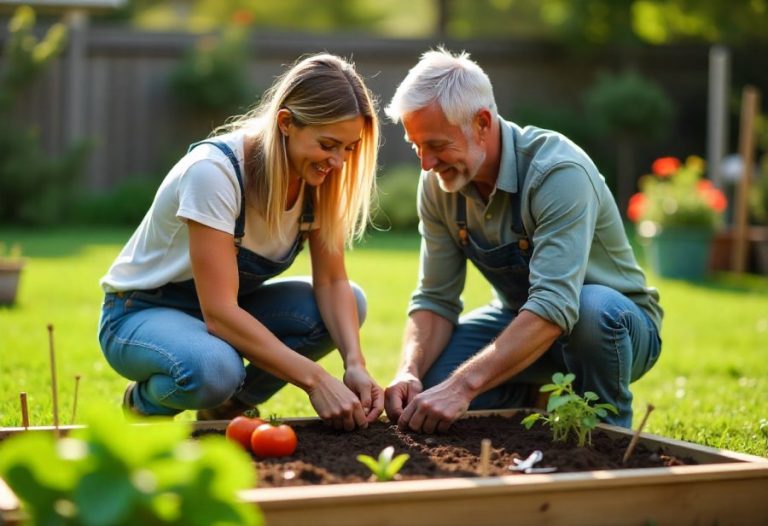
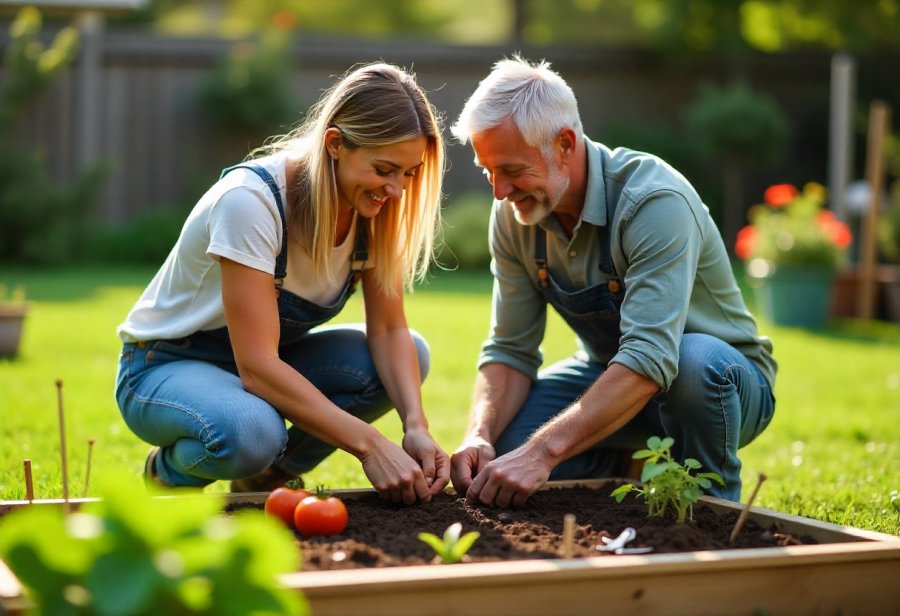
In a world where screens often replace face-to-face interactions, finding genuine ways to connect can feel increasingly rare. Yet, stepping outside into a garden offers something refreshingly simple—an opportunity to bond through shared effort and quiet collaboration. Digging in the dirt, planting seeds, and tending plants together creates a natural rhythm that fosters conversation without forcing it. These moments of joint care develop trust and deepen emotional ties in a way that words sometimes can’t.
Gardening isn’t just about cultivating flowers or vegetables; it’s about nurturing relationships. When people work side by side, they learn patience, attentiveness, and cooperation—qualities that easily transfer to everyday life. As they care for living things together, they also build understanding and empathy, often without even realizing it. The physical act of working in the soil becomes a mirror for emotional growth, showing how patience and persistence lead to something beautiful.
Research supports the idea that shared outdoor activities like gardening can significantly reduce stress and boost mood. The calming effect of tending plants, combined with the sense of purpose it provides, makes gardening a powerful form of informal therapy. Over time, these shared experiences help create a safe space for open dialogue and emotional healing. Whether in a community garden or a backyard, working with nature offers a gentle but profound way to reconnect in a distracted world.
More than just a hobby, gardening together becomes a ritual of trust and mutual support. Watching plants grow side by side—seeing a seed sprout or a flower bloom—serves as a symbol of shared effort and patience. These small victories foster pride and a sense of accomplishment, reinforcing bonds that can withstand life’s stresses. In this way, tending a garden becomes a quiet act of healing, bringing people closer as they nurture life and love simultaneously.
Ultimately, the act of gardening together reminds us that connection and healing often grow from the simplest acts. In tending the land side by side, we cultivate not just plants but also trust, compassion, and resilience. In a digital age filled with disconnection, these moments of shared effort highlight the timeless truth: some of the deepest bonds are rooted outdoors, in the soil and in the heart.
Core Principles Linking Gardening to Emotional Well-Being
Gardening isn’t just about plants; it’s deeply woven into how we feel and connect with others. When we nurture a garden, we practice patience, care, and mindfulness—qualities that naturally spill over into our relationships. Sharing the tasks of planting, watering, and tending creates opportunities for meaningful conversations and fosters a sense of teamwork. These shared experiences build trust and understanding, often developing quietly over time without the need for words.
Throughout history, cultures worldwide have used communal gardening to strengthen social bonds. From ancient Egypt to Chinese villages, collective efforts in tending land brought people together through cooperation and celebration. These traditions remind us that gardening isn’t solely about producing food or beauty but about nurturing community resilience and fostering connection. The act of working side by side in the dirt becomes a powerful symbol of patience and mutual support.
Gardening also offers significant mental and physical benefits. Engaging outdoors, digging into the soil, and caring for plants releases endorphins that reduce stress and elevate mood. The rhythmic, calming nature of these activities helps us stay present and grounded. When done with others, these benefits multiply, creating shared spaces where emotional well-being can flourish alongside the growth of plants.
Research consistently shows that gardening can serve as a form of therapy. Studies reveal that working with plants decreases anxiety, lifts spirits, and enhances resilience. Programs like horticultural therapy highlight that tending to plants together can be a gentle yet effective way to promote healing and emotional connection. These shared experiences help forge bonds rooted in trust, patience, and mutual care.
In essence, gardening is more than a hobby; it’s a pathway to emotional health and stronger relationships. By nurturing life outside, we cultivate patience, empathy, and love inside. The simple act of working the soil together reminds us that growth—personal and relational—thrives when we tend to it side by side.
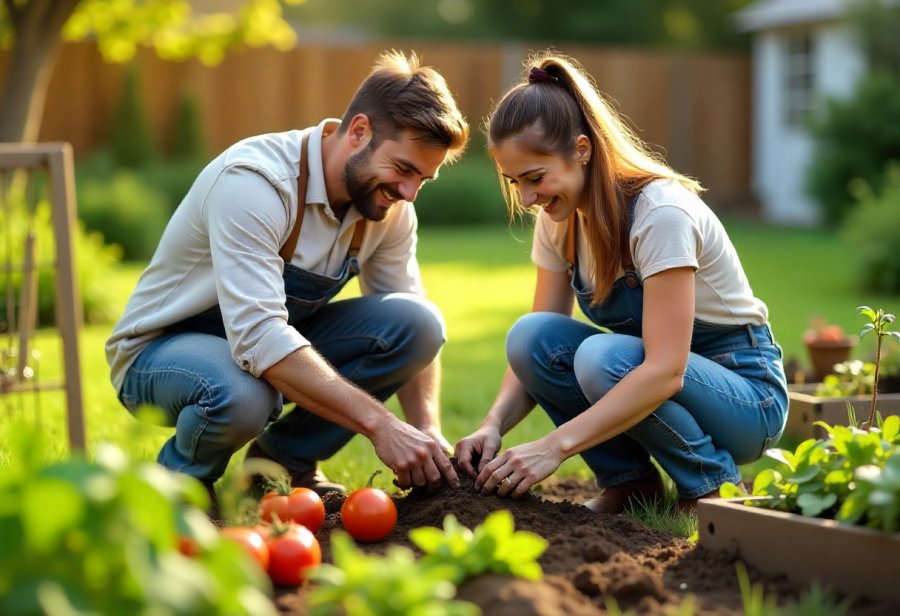
How Shared Gardening Fosters Intimacy and Understanding
Working together in a garden naturally builds emotional intimacy because it creates shared experiences that require trust, cooperation, and communication. When people plant, water, or weed side by side, they focus on a common goal, which fosters a sense of teamwork. These moments often lead to meaningful conversations, whether about the plants or personal stories, helping to deepen understanding and empathy. Over time, this shared effort cements a bond rooted in mutual support, making it easier to connect beyond the garden.
Physical closeness and teamwork in gardening also cultivate patience and attentiveness. As you tend to the same plants, you learn to observe, listen, and respond to each other’s needs. Facing setbacks like pests or bad weather calls for collaboration and resilience, which strengthen trust. These shared challenges serve as reminders that growth, whether of plants or relationships, takes effort and persistence—qualities that deepen emotional bonds.
Gardening acts as a mirror for relationships, showing how nurturing and care lead to growth. When both people invest time and effort, they witness the fruits of their labor—flowers blooming or vegetables ripening—which creates a sense of shared achievement. Celebrating these small victories together reinforces teamwork and patience, fostering a positive cycle of support and encouragement. These shared successes become symbols of trust and mutual effort that extend well beyond the garden.
Being outdoors in a natural setting further enhances connection. Nature’s calming presence reduces stress and creates a relaxed environment where open dialogue feels more natural. When people feel at ease, they’re more willing to share feelings or listen deeply, fostering emotional closeness. The simple act of working amidst the sights and sounds of nature helps break down barriers, making conversations flow more freely and bonds stronger.
Shared gardening experiences often reveal individual strengths and vulnerabilities. Some may excel at planting, others at design or planning. Recognizing and appreciating these different skills fosters respect and admiration. These moments of mutual reliance teach respect and help cultivate a deeper understanding, strengthening the emotional fabric of the relationship.
As the garden flourishes, so do the bonds formed through these shared efforts. Watching life grow outside becomes a symbol for nurturing relationships inside. The patience, care, and teamwork involved in gardening translate into greater empathy and love in everyday interactions. These moments of collective effort show that growth isn’t just about plants—it’s about people, blossoming together through acts of tending and trust.
Research, Stories, and Evidence of Gardening’s Healing Power
Numerous studies highlight how gardening together can significantly boost emotional well-being and strengthen social bonds. For instance, research published in the *Journal of Therapeutic Horticulture* shows that group gardening activities can reduce stress and lift mood, especially for individuals facing trauma or mental health challenges. Personal stories also illustrate these benefits vividly: families working side by side to cultivate vegetable gardens often find improved communication and a renewed sense of teamwork, deepening their emotional connections.
Community gardens across cities like Chicago and Brooklyn serve as more than just green spaces—they’re vibrant hubs of cooperation where neighbors from diverse backgrounds come together to share resources and care for shared plots. These initiatives demonstrate that tending the land fosters trust and belonging, turning gardening into a powerful act of collective healing. Hospitals and mental health centers increasingly incorporate therapeutic gardens, recognizing that shared outdoor effort can aid recovery and build resilience.
Even when faced with challenges such as limited space, poor soil, or unpredictable weather, gardening projects adapt and thrive. Container gardens, small raised beds, or urban balcony setups become accessible ways for people to engage with nature and each other. These adaptations teach patience and persistence, showing that setbacks can serve as opportunities for creative problem-solving and shared achievement.
Stories from individuals new to gardening reveal that initial frustrations often give way to pride and motivation. Celebrating small wins—like a sprout breaking through or a flower blooming—acts as a collective milestone, reinforcing the emotional rewards of teamwork. These moments of success help nurture confidence and foster a sense of shared purpose, making gardening an inclusive and uplifting experience.
Programs focused on community gardening and horticultural therapy highlight the transformative power of tending plants together. Participants frequently report feeling less anxious, more connected, and more hopeful. Whether in urban settings or rural communities, these shared efforts create spaces where vulnerability is met with support, and growth—both of plants and hearts—is celebrated side by side.
The evidence is clear: tending the soil with others isn’t just about cultivating crops or flowers; it’s about cultivating trust, empathy, and resilience. The stories and studies collectively show that shared gardening can serve as a gentle yet potent bridge to emotional healing and stronger relationships. It offers a simple yet profound reminder that some of the deepest bonds are rooted outdoors, in the act of caring for life together.
Practical Steps to Grow Relationships and Heal with Gardening
Turning gardening into a meaningful tool for relationship growth and healing starts with simple, intentional steps. Begin by choosing small projects everyone can participate in, like planting herbs in pots or creating a shared flower bed. Keeping tasks manageable ensures each person feels confident and included, encouraging ongoing engagement. Clear communication about responsibilities and ideas fosters a sense of teamwork from the start, making the process collaborative and enjoyable rather than overwhelming.
Set achievable goals together to create a shared purpose that motivates everyone. Celebrating small wins, such as a sprouting seed or a blooming flower, boosts confidence and reinforces the idea that progress is a collective effort. Establishing routines, like a weekly gardening session, introduces a rhythm that deepens bonds and turns gardening into a shared ritual. Using beginner guides or community workshops can support learning and reduce frustration, especially for those new to gardening.
Involving everyone in planning and decision-making cultivates ownership and a sense of belonging. Families learn patience and responsibility, while neighbors or community groups build trust through shared effort. Recognizing individual strengths—whether design ideas, planting skills, or problem-solving—fosters respect and appreciation, turning differences into assets that support mutual growth.
Addressing barriers like limited space or resources is part of the process. Urban dwellers can transform balconies into mini-gardens, and community plots can serve larger groups. Local organizations often provide tools, seedlings, or advice, making gardening accessible regardless of circumstances. When setbacks occur, such as pests or bad weather, adapting plans—like switching to container gardening—keeps the effort alive and teaches resilience.
Finally, maintaining patience and celebrating progress helps sustain enthusiasm. Not everyone will move at the same pace, but emphasizing participation over perfection creates a positive environment. Celebrating each contribution builds trust and appreciation, transforming shared gardening efforts into powerful opportunities for nurturing love, patience, and empathy. These small acts outdoors mirror personal growth inside, planting seeds for stronger, more resilient relationships.
Future Perspectives: Cultivating Connection and Resilience in Green Spaces
The future of garden-based healing and connection looks brighter than ever as communities and organizations increasingly embrace its potential. Urban farms, therapeutic gardens, and digital platforms dedicated to gardening are making it easier for people to access the emotional benefits of tending plants together. These innovations help overcome common barriers like limited space or resources, expanding opportunities for more individuals to experience the restorative power of shared outdoor effort. As awareness around mental health and well-being continues to grow, gardening is poised to become a vital component of therapeutic programs and community-building initiatives.
We can expect a shift toward more inclusive, sustainable, and adaptable gardening models that serve diverse needs and environments. From city rooftops to small balcony plots, these smaller, personalized gardens allow urban dwellers and those with limited space to nurture relationships and foster emotional resilience through simple acts of care. Schools, workplaces, and community centers are already integrating gardening projects into their routines, recognizing their value for nurturing patience, empathy, and teamwork. This trend promotes a sense of ownership and pride, reinforcing that growth—whether personal or relational—thrives with consistent tending.
Technology will also play a supportive role in broadening gardening’s reach. Apps, online forums, and virtual groups enable collaboration and shared learning across distances, making it easier to exchange advice, celebrate milestones, and stay connected. Despite these digital tools, the core remains rooted in outdoor, hands-on activity that reconnects us with nature and each other. This blend of innovation and tradition ensures that the healing and bonding power of gardening continues to flourish in a rapidly changing world.
Looking ahead, we’ll see more efforts to design accessible, community-centered spaces that invite everyone to participate. Urban rooftops, community gardens, and even vacant lots transformed into green sanctuaries will serve as hubs of connection and recovery. These spaces will become vital refuges for mental clarity, emotional support, and social bonding. As more people recognize the profound impact of tending the land together, gardening’s role as a gentle yet powerful form of healing will only deepen.
At its core, tending a garden isn’t just about plants—it’s about nurturing trust, love, and resilience. As we cultivate these qualities in outdoor spaces, we plant seeds for a more compassionate, connected future. Shared gardening experiences will continue to serve as a quiet but potent reminder that growth happens best when we work side by side, tending both the earth and each other with patience and care. In doing so, we forge stronger bonds and healthier spirits in a world that often feels disconnected.
About the Author