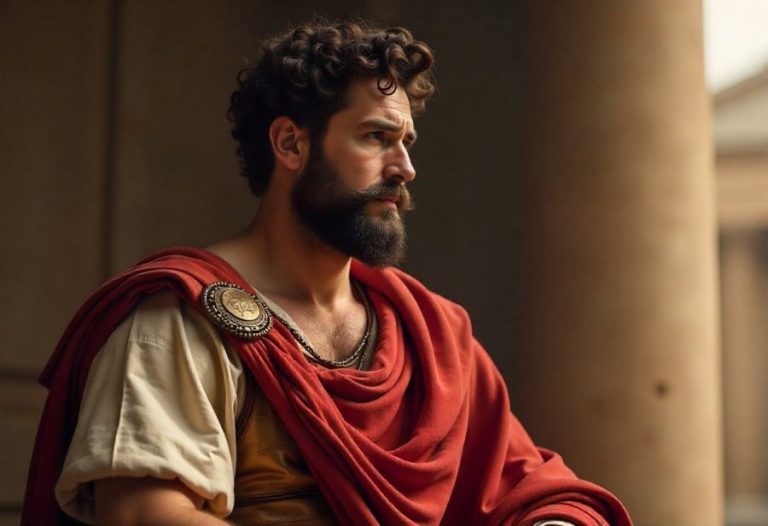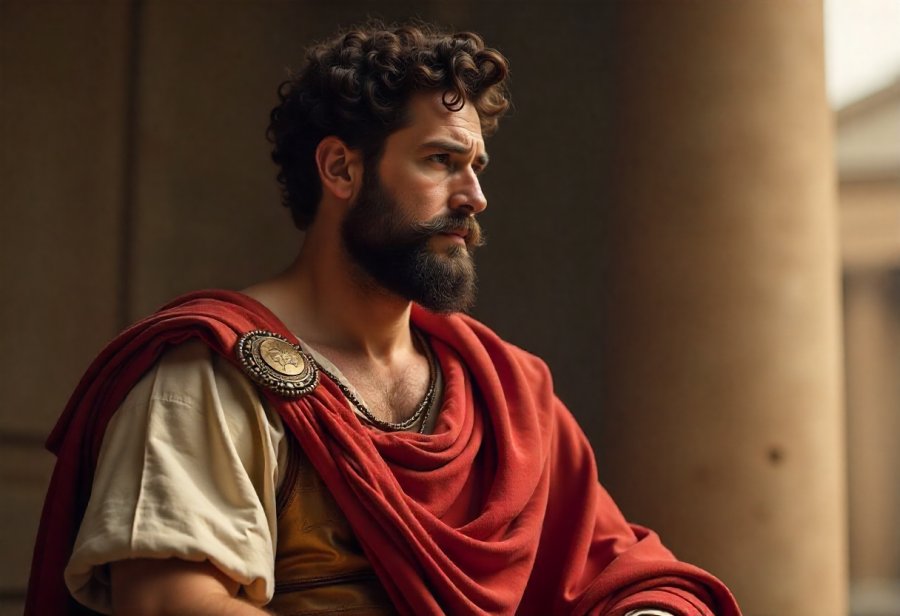
What if true strength isn’t measured by external victories or power, but by inner discipline and resilience? Marcus Aurelius’s life exemplifies this profound truth—ruling an empire amidst chaos while cultivating self-mastery through Stoic principles. His calm in crises, unwavering virtue, and reflective writings reveal that authentic leadership stems from inner virtues rather than superficial displays of dominance. This timeless lesson prompts us to reconsider what lasting influence truly means: Are we investing in external achievements that fade, or cultivating inner strength that endures? In today’s complex world, developing resilience, wisdom, and moral clarity can be the most powerful tools for navigating uncertainty—whether in personal growth, leadership, or societal development. Inner discipline acts as a moral fortress, guiding us through turbulence and laying the foundation for authentic influence beyond fleeting external success. Could mastering ourselves be our greatest empire of all?
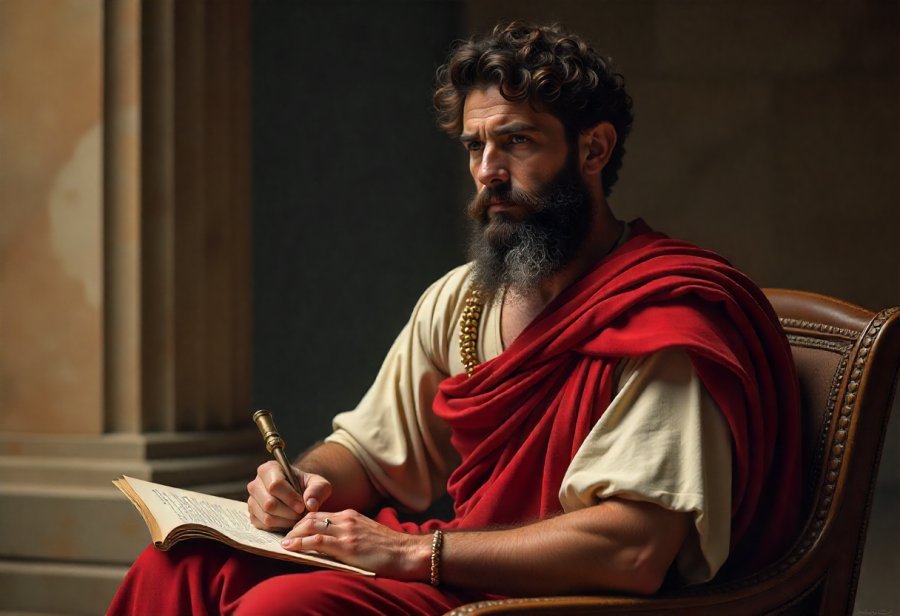
Inner Discipline as the True Power Behind Great Leaders
Throughout history, many have believed that true power comes from external achievements—conquering lands, amassing wealth, or commanding armies. These outward signs of strength often provide quick admiration and influence, making them the most visible markers of leadership. But what if real power isn’t measured by what’s on the surface? What if its true source lies deeper within, rooted in inner discipline—an unwavering resilience and clarity that guides a leader through chaos and uncertainty?
Marcus Aurelius exemplifies this idea perfectly. As Roman emperor, he faced wars, plagues, and political intrigue, yet his influence wasn’t just in his military conquests or political decisions. Instead, it stemmed from his commitment to self-mastery and inner resilience. His writings in *Meditations* reveal a man dedicated to practicing Stoic principles—remaining calm in crises, reflecting on his impulses, and striving for virtue. These qualities became his true strength, shaping his leadership and inspiring loyalty far beyond external displays of power.
What sets Marcus apart is how he understood that external success is fleeting. Empires rise and fall, but qualities like wisdom, patience, and self-control endure. His ability to govern with dignity amidst turmoil wasn’t a sign of weakness but a strategic strength rooted in inner discipline. This resilience acted as armor, allowing him to face adversity with calm and purpose, qualities that elevated his influence far beyond any battlefield victory.
This focus on inner discipline isn’t just a modern idea; it echoes ancient philosophies that emphasize mental resilience as the highest form of power. Stoics teach that, while we can’t always control external events, we do control our responses. Cultivating virtues like patience and humility creates a mental fortress that remains steady regardless of circumstances. Marcus’s life demonstrates that consistent effort to develop these virtues builds a lasting foundation—one that guides us through chaos and helps us lead with integrity and clarity.
Stoic Wisdom: Building Resilience and Self-Mastery
Stoic philosophy offers a practical roadmap for cultivating inner strength through self-mastery, resilience, and wisdom. At its core, it teaches that while external events—political upheaval, personal setbacks, or unexpected crises—are beyond our control, our responses to them are entirely within our power. This shift inward emphasizes developing mental discipline and emotional regulation as the true sources of strength. By intentionally practicing self-control and recognizing the impulses that drive us, we build a mental fortress that remains unshaken regardless of outside circumstances.
The Stoics also highlight that wisdom isn’t merely accumulating knowledge; it’s understanding what is within our control and what isn’t. This discernment allows us to focus our efforts on virtues like patience, humility, and courage. When leaders adopt this perspective, they tend to make more thoughtful and deliberate decisions, especially in challenging moments. Daily reflection, journaling, or mindfulness become essential tools for reinforcing these virtues, gradually shaping a resilient mindset capable of withstanding setbacks while maintaining clarity and purpose.
Self-discipline plays a key role in this process. It involves resisting short-term temptations and impulses that can derail long-term goals. Marcus Aurelius often reminded himself to remain unaffected by external praise or criticism, demonstrating that internal consistency and integrity are the true marks of leadership. This isn’t about repression but about understanding one’s impulses and choosing measured, virtuous responses. Such mastery over oneself fosters genuine respect from others and creates a foundation of trust that external power alone cannot provide.
Resilience, according to Stoic thought, is rooted in viewing challenges as opportunities for growth. When setbacks occur, instead of reacting with frustration or despair, Stoics see them as chances to practice patience and perseverance. Marcus’s reflections emphasize that difficulties are inevitable; it’s how we interpret and respond to them that shapes our inner strength. Developing this mental toughness through consistent effort allows leaders and individuals alike to stay steady and effective, even amid chaos or uncertainty.
Wisdom then emerges as the natural culmination of self-mastery and resilience. It involves a deep understanding of oneself, recognizing vulnerabilities, and living according to higher virtues. For leaders, this translates into moral clarity and calmness in chaos—leading not with dominance but with integrity. Marcus Aurelius exemplified this approach, constantly reflecting and striving for self-improvement. His inner strength was rooted in this wisdom, guiding his actions regardless of external turbulence and ensuring his influence endured beyond fleeting external victories.
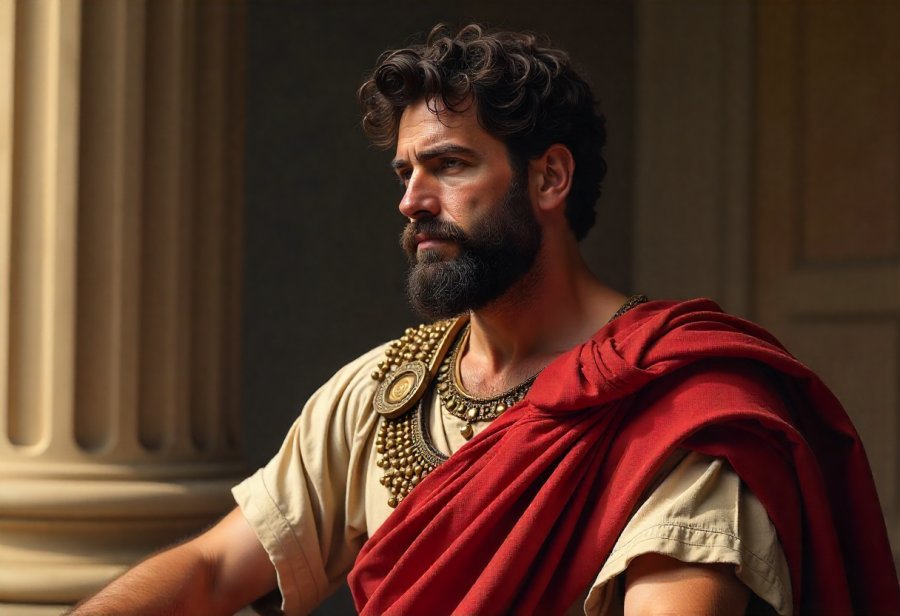
Challenging the Myth: External Power vs. Inner Strength
While the idea that inner strength is the highest form of leadership has gained recognition, it’s not universally embraced. Many still see external achievements—such as military victories, wealth, or public displays of power—as clearer and more immediate indicators of true influence. These tangible signs often command quick admiration and respect, providing visible proof of capability that many find more convincing than internal virtues. Critics argue that external symbols can inspire confidence or fear more effectively, making them the go-to markers of strength in the eyes of society.
Some believe that decisive, bold actions driven by ambition or emotion are essential during crises. They see the ability to make tough decisions, take risks, and project confidence publicly as signs of real strength. In this view, external displays—like battlefield triumphs or impressive wealth—serve as symbols that establish authority and control. To them, inner discipline may seem slow or passive, lacking the immediate impact of external conquest or dominance. This perspective values visible results over internal virtues, emphasizing action and spectacle.
Cultural differences also influence how we interpret leadership strength. Western societies often prize material success and tangible accomplishments, celebrating leaders who achieve measurable results. External symbols like trophies, titles, or wealth tend to elevate status and influence. Conversely, some Eastern philosophies and spiritual traditions emphasize virtues such as humility, patience, and moral integrity—qualities less visible but equally vital. These internal virtues may not garner the same level of public admiration, creating a cultural divide that complicates the recognition of inner strength as the ultimate leader trait.
History offers clear examples of the limits of relying solely on external power. Empires built on conquest and external achievement often faltered when internal cohesion or moral authority waned. The Roman Empire’s expansion, for instance, ultimately declined not just because of external threats but because internal divisions and moral decay eroded its strength. Similarly, Alexander the Great’s empire fractured quickly after his death, illustrating that external dominance doesn’t guarantee lasting influence or stability.
This contrast raises the question of what truly sustains leadership over time. While visible signs of strength can inspire awe, they often lack the depth needed to navigate crises or moral challenges. Inner discipline, rooted in authenticity and resilience, builds a foundation of trust and loyalty that endures beyond fleeting victories. Recognizing this nuance encourages a balanced view—one that values the quiet power of self-mastery alongside external accomplishments.
It’s also worth noting that external displays can sometimes mask internal weakness. Leaders who rely solely on superficial symbols may lack the moral clarity or resilience needed when circumstances shift unexpectedly. History shows that external power without internal virtue is fragile; it can be lost quickly when faced with internal crises or moral failures. True strength, therefore, depends on a solid inner core that remains steadfast regardless of external conditions.
Despite these opposing views, the enduring lesson is that external achievements may open doors, but internal virtues sustain influence. Inner discipline provides a steady compass, guiding leaders through turbulence with calm and purpose. While external signs can attract attention, lasting leadership requires the moral resilience and self-mastery that come from within. Inner strength isn’t just a quiet force—it’s the bedrock that allows external success to have meaning and longevity.
Applying Inner Discipline to Modern Leadership and Society
In today’s fast-paced world, inner discipline is more than a philosophical idea—it’s a vital ingredient for effective leadership and authentic personal growth. Leaders who cultivate self-awareness, emotional resilience, and moral clarity are better equipped to navigate complex challenges, inspire trust, and foster a culture of integrity. When inner discipline guides their actions, they set a steady tone that encourages accountability and purpose across teams and organizations.
On an individual level, developing inner discipline helps us stay focused amid distractions, manage stress more effectively, and maintain clarity of purpose. Building habits of self-control—such as pausing before reacting impulsively or resisting temptations—creates resilience that becomes second nature. Over time, these small daily efforts translate into a calm, centered mindset that remains steady when setbacks or uncertainties arise. This internal strength not only advances personal growth but also inspires others through consistency and authenticity.
This resilience isn’t confined to personal gain; it ripples outward, shaping societal well-being. Communities that prioritize virtues like patience, humility, and moral integrity foster trust and cooperation. Societies built on these principles tend to be more stable and ethical, with leaders acting in long-term interests rather than short-term gains. Cultivating inner discipline at a societal level encourages policies and cultural norms rooted in resilience and collective responsibility—traits essential for navigating crises and fostering shared progress.
In decision-making, inner discipline acts as a quiet anchor during moments of chaos. Leaders trained to remain calm and centered are more likely to make thoughtful, ethical choices rather than reactive or impulsive ones. This clarity not only improves immediate outcomes but also builds a legacy of trust and respect that endures beyond any single event. Inner discipline thus becomes the foundation of sustainable leadership—one rooted in character rather than superficial displays of power.
For individuals, this virtue offers a path to genuine personal transformation. It creates mental space for deliberate choices instead of impulsive reactions, empowering us to persevere through personal setbacks and professional challenges. As these habits strengthen, resilience becomes a natural part of life, fostering balanced, authentic living and serving as a steady example for others. Inner discipline becomes a personal fortress that sustains growth amid life’s inevitable turbulence.
Within organizations, cultivating inner discipline shapes cultures of accountability and continuous improvement. Leaders who model self-control and moral integrity inspire their teams to act with purpose and responsibility. When virtues guide decisions, organizations become more resilient against external pressures, maintaining core values even in turbulent times. This internal foundation supports sustainable success rooted in character rather than fleeting external achievements.
Developing inner discipline isn’t about perfection or repression; it’s an ongoing process of self-awareness and deliberate effort. Small acts—like mindful reflection, measured responses, and honest self-assessment—build a resilient core that withstands external chaos. Over time, this inner strength quietly sustains leadership, personal development, and societal progress, proving that true power begins within. It’s a steady, enduring force capable of shaping a more resilient, virtuous future for all.
The Ultimate Power: Mastery of Self as the Foundation of Lasting Influence
The strongest leaders and the most enduring legacies are not built solely on external displays of power or conquest. Instead, they arise from the ability to master oneself—controlling impulses, cultivating resilience, and acting with wisdom. Marcus Aurelius exemplified this truth; his leadership was rooted in inner discipline, allowing him to navigate crises with calm and clarity. His life shows that genuine strength isn’t about dominance or outward success but about self-awareness and moral integrity that remain steady regardless of circumstances.
Focusing on internal mastery unlocks a form of power that is quiet but profoundly influential. This strength doesn’t shout or seek attention; it shapes decisions, relationships, and legacies in ways external victories cannot match. When rooted in inner discipline, leadership becomes a steady force, guiding others through uncertainty and inspiring trust. It transforms fleeting external achievements into lasting impact, creating a foundation that withstands the tests of time and turbulence.
History repeatedly demonstrates that empires built solely on external achievements often falter when their internal foundations weaken. The Roman Empire’s decline was driven not just by external threats but by internal moral decay and divisions. Similarly, Alexander the Great’s empire fragmented quickly after his death, revealing that external dominance offers no guarantee of lasting influence. Inner discipline provides a resilient core—a moral compass—that endures beyond fleeting appearances and external gains.
This perspective challenges us to rethink what true power means. It’s not merely about what is visible or tangible but about the steady presence of character and virtue. Leaders who develop inner discipline foster trust and respect because they embody consistency and authenticity. Their influence remains resilient because it’s rooted in a moral strength that no external circumstance can easily erode, making their leadership both genuine and enduring.
The greatest empire one can build is within—an internal realm of resilience, wisdom, and self-control that no external conquest can match. Developing this inner strength is a lifelong journey, marked by deliberate acts of self-awareness, reflection, and virtue. Each step fortifies our internal fortress, shaping us into more grounded, resilient individuals. In mastering ourselves, we forge a legacy that outlives fleeting external victories, leaving a lasting imprint rooted in true strength.
About the Author