Imagine transforming routine walks into peaceful, shared moments of trust with your dog—are you ready to unlock this calming connection? Mastering the art of leash walking isn’t just about manners; it’s a gateway to a deeper bond built on patience, consistency, and positive reinforcement. This guide reveals how gentle tools like front-clip harnesses and modern training methods foster calmness, reduce pulling, and prevent behavioral issues. Today’s humane, science-backed techniques turn challenging distractions into opportunities for progress, making training enjoyable and rewarding. But what if your dog struggles with anxiety or excitement? Overcoming these obstacles requires tailored approaches, gradual exposure, and unwavering patience. Achieving calm leash walking doesn’t happen overnight, yet every small step creates a foundation of trust and safety, transforming daily outings into joyful shared experiences. Are you prepared to turn every walk into a peaceful journey and strengthen your lifelong bond?
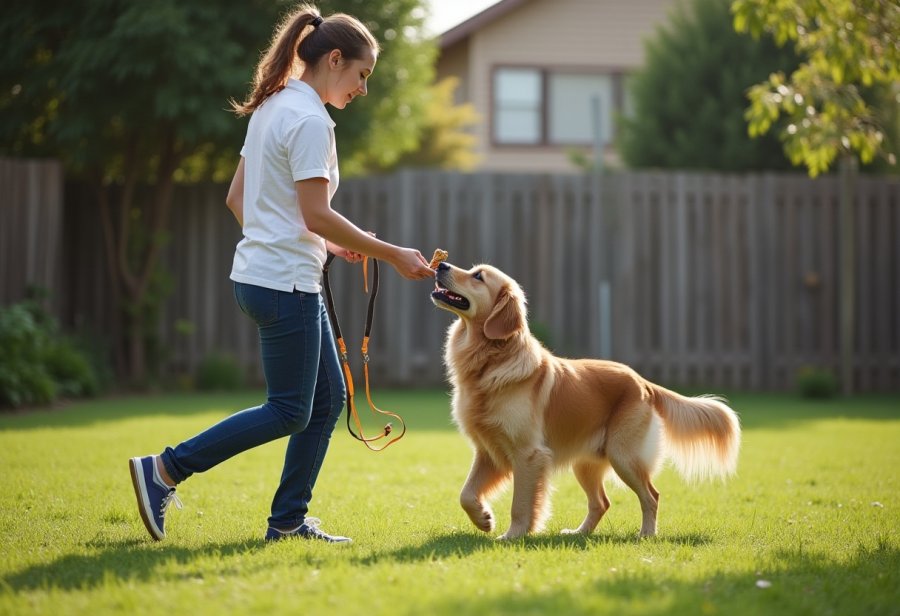
Mastering Calm Dog Walking: Unlocking Peaceful Outings and Stronger Bonds
Walking calmly with your dog might seem simple, but it’s one of the most valuable skills you can teach. A peaceful, controlled walk isn’t just about manners; it’s about creating a positive experience for both of you. When your dog learns to stay relaxed on a leash, your outings become less stressful and more enjoyable. This calmness opens the door to building a stronger bond based on trust and mutual understanding.
A calm walk sets the tone for better communication. When your dog walks at your side without pulling or lunging, they’re showing respect for your leadership. It’s a sign that your dog feels safe and confident with you, which makes training and daily interactions smoother. As they learn to stay relaxed, they become more receptive to commands and more focused during walks.
Beyond the immediate comfort, mastering calm leash walking helps prevent common behavioral issues. Dogs that pull or get overly excited tend to become stressed, which can lead to anxiety or even aggression over time. Teaching your dog to walk peacefully provides a solid foundation for managing these behaviors, making outings more predictable and pleasant for everyone.
Achieving this calmness isn’t about strict control or dominance; it’s about patience, consistency, and positive reinforcement. With time and effort, your dog will learn that staying relaxed by your side leads to rewards and praise. These moments turn routine walks into shared opportunities for connection and trust.
Building this calmness also deepens your emotional bond. When your dog confidently walks at your side, it reflects the trust you’ve built together. These peaceful moments turn everyday walks into meaningful experiences of mutual respect and companionship.
Remember, progress takes patience. Changing behavior isn’t an overnight process, but every small step forward counts. Focusing on peaceful, intentional walks helps set the stage for a lifelong partnership rooted in calmness, trust, and understanding.
Foundations of Calmness: Understanding Your Dog’s Behavior and Building Trust
Understanding your dog’s behavior forms the foundation for teaching calm leash walking. Dogs rely heavily on their senses—sights, sounds, smells—and their instincts often trigger strong reactions, like pulling or distractedness. Recognizing these natural impulses helps you respond in ways that promote relaxation rather than frustration, making training more effective and enjoyable.
A dog’s temperament, past experiences, and socialization influence how they behave during walks. Some dogs are naturally more anxious, while others become easily excited by the environment. Being aware of these traits allows you to tailor your approach, helping your dog stay calm and focused through consistent, positive guidance.
Body language and tone of voice are vital tools in communication. A relaxed posture, soft eyes, and a calm voice signal safety and confidence. When you use clear cues and reward calm behavior, your dog begins to associate your signals with relaxation. This predictability builds trust, making them more receptive even amid distractions.
Training methods have shifted toward kindness and positive reinforcement. Instead of harsh corrections, rewarding calm, attentive behavior with treats or praise encourages your dog to repeat those actions. This approach not only fosters trust but also reduces anxiety, creating a more harmonious training process.
Understanding the science behind dog learning emphasizes the importance of patience and consistency. Dogs learn best when they receive immediate rewards for good behavior, establishing a clear link between actions and consequences. Reinforcing calmness consistently helps your dog grasp what’s expected.
Tools like front-clip harnesses support these efforts by gently discouraging pulling without discomfort. Using such equipment, along with treats and praise, helps your dog associate walking at your side with positive experiences, laying the groundwork for lifelong calm leash manners.
Ultimately, developing an understanding of your dog’s behavior and needs transforms training from a challenge into a bonding opportunity. With patience and awareness, you create a calm, trusting relationship that makes every walk a shared journey of peace and connection.
Modern Techniques and Tools Transforming Calm Leash Training Today
Today’s approach to training dogs for calm leash walking has shifted toward more humane and effective methods, thanks to ongoing innovations and a better understanding of canine psychology. Modern tools like front-clip harnesses and no-pull designs help reduce pulling without causing discomfort, making training sessions smoother for both owner and pet. These harnesses gently discourage bad habits while keeping the dog comfortable, which naturally encourages better focus and cooperation.
Clicker training has gained popularity as a precise reinforcement technique. When paired with treats or praise, it helps dogs quickly associate specific behaviors with positive rewards. This method keeps dogs engaged and makes teaching them to walk politely at your side easier, especially in distracting environments. Leash options today are more versatile, supporting different stages of training and various settings. Shorter leashes or training lines are useful in busy areas, while longer leads give dogs more freedom outdoors, helping to generalize calm behavior across different situations.
The shift away from correction-based methods toward positive reinforcement has transformed leash training into a more trust-building process. Instead of reacting with punishment, owners now focus on rewarding focus and calmness, which reduces stress and anxiety in dogs. Many trainers incorporate technology, such as remote treat dispensers or training apps, to maintain consistency and motivation. Early socialization combined with these gentle techniques creates a strong foundation for good leash manners from the start.
In recent years, there’s been a growing emphasis on patience and consistency, recognizing that dogs learn best when rewarded immediately for calm behavior. This approach not only speeds up training but also deepens the bond between owner and pet. As a result, peaceful leash walking has become more accessible and sustainable for everyday life, turning what once seemed challenging into a shared, joyful experience.
Budget-Friendly Strategies for Effective and Affordable Dog Training
Training a dog to walk calmly on a leash doesn’t have to be a costly endeavor, but understanding the expenses involved can help you plan effectively. Basic equipment like a quality harness and a sturdy leash are essential and come in a variety of price ranges, with affordable options starting around $10 to $30 that suit most budgets. Investing in reliable gear upfront ensures comfort for your dog and makes training smoother, reducing frustration for both of you.
Joining group training classes is often a cost-effective way to get professional guidance and support. These sessions typically range from $50 to $150 for a series of lessons, offering hands-on advice tailored to your dog’s needs. They also provide opportunities to practice in controlled environments, which accelerates progress and builds your confidence as a trainer.
Treats and toys used as rewards are ongoing expenses but are generally inexpensive. Bulk buying treats or making your own can cut costs while maintaining motivation for your dog. These small investments foster focus and calmness during training, making every session more effective and enjoyable.
Additional tools like clickers or training lines might add to your initial expenses, usually between $5 and $20. These accessories can significantly enhance your training sessions by providing clear cues and better control, especially in more challenging environments. Upgrading your equipment as your dog improves can further support their progress.
Refresher courses or occasional equipment upgrades are worth considering, especially if your dog encounters new challenges or environments. These investments help reinforce good habits and prevent behavioral regressions, ultimately saving money on future corrections or behavioral fixes.
For those on a tight budget, many strategies require minimal financial outlay. Using household items and free online resources can effectively support your training journey. Patience and consistency, combined with affordable tools, lay the groundwork for long-term success, leading to peaceful, bonded walks without breaking the bank.
Real-Life Success Stories: How Calm Leash Walking Enhances Daily Life and Relationships
Calm leash walking can truly change your daily life with your dog, turning stressful outings into peaceful moments of connection. When your dog learns to walk calmly at your side, walks become less about managing chaos and more about enjoying each other’s company. This newfound ease often leads to more frequent outings, giving both of you opportunities to explore and bond in a relaxed setting.
Owners quickly notice how a well-trained dog’s focus improves. Instead of constantly pulling or reacting to every distraction, your dog starts paying attention to your cues. This increased focus makes training other commands easier and helps your dog feel more confident, especially in busy or unfamiliar environments. Over time, walks become a shared experience rooted in trust and calmness, rather than frustration.
Stories from dog owners highlight these benefits vividly. Emma, who rescued Max, initially faced daily struggles with pulling and hyperactivity. Through consistent, positive leash training, Max now walks peacefully and even looks forward to their outings. Similarly, Jake’s Labrador, Buddy, went from reactive and anxious to steady and confident, thanks to patience and gentle guidance. These transformations show that peaceful leash walking isn’t just a skill—it’s a pathway to a stronger bond.
A calm walk nurtures mutual trust. When your dog walks confidently beside you without pulling or lunging, it signals they trust your leadership and feel safe in your presence. This trust deepens your connection, making every walk an opportunity for shared respect and understanding. Over time, these peaceful moments become the foundation of a lifelong relationship built on love and cooperation.
Beyond emotional benefits, calm leash walking makes outings safer and more predictable. With fewer surprises or conflicts, both of you experience less stress. Your dog learns to focus and stay relaxed, reducing the chances of accidents or reactive incidents. This harmony turns routine walks into joyful shared experiences, strengthening your bond with each step.
Every successful walk rooted in calmness reinforces your relationship and your dog’s confidence. The patience and consistency you invest now create a well-behaved, happy companion who enjoys and trusts your leadership. These peaceful moments aren’t just about manners—they’re about building a lasting partnership that brings joy and mutual understanding into everyday life.
Step-by-Step Implementation: Your Guide to Training a Calm and Focused Dog
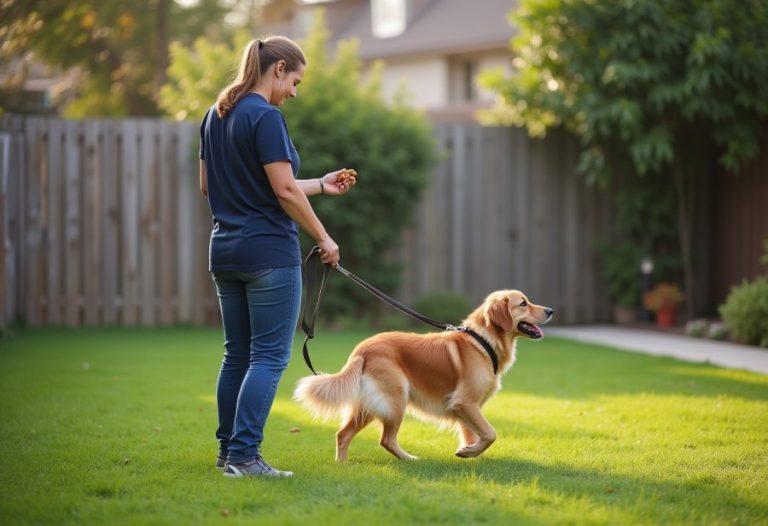
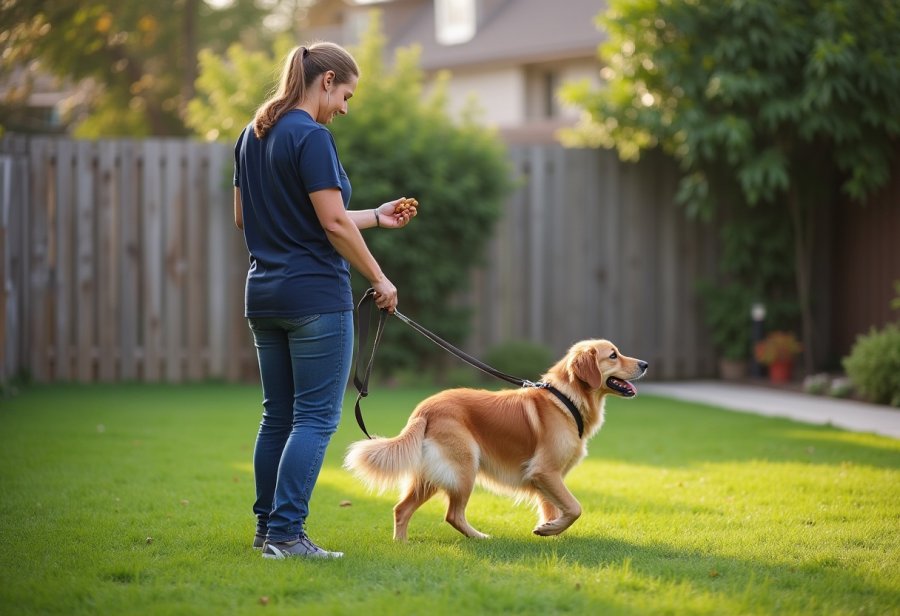
Start by establishing a consistent routine in a quiet, low-distraction environment. Use a simple cue like “heel” or “let’s go,” and reward your dog with treats or praise whenever they walk calmly at your side without pulling. Keep training sessions short—around five to ten minutes—to maintain your dog’s focus and prevent frustration. This focus on calm behavior creates a strong foundation for more advanced training later on.
Gradually introduce mild distractions as your dog becomes more reliable. Begin with calm environments and, over time, increase the level of stimuli by adding other people, dogs, or noise. When your dog remains focused and relaxed, immediately reward their good behavior. If they pull or get distracted, gently stop, call them back to your side, and reward once they return to the correct position. Consistency in these responses helps your dog understand what’s expected during every walk.
Using tools like a front-clip harness can significantly improve progress. These harnesses discourage pulling gently and humanely, guiding your dog back to your side without causing discomfort. Pair the harness with treats or praise to reinforce calm, focused walking. Maintain a calm, assertive attitude, giving clear cues and rewarding attention. Over time, these small, regular steps will boost your dog’s confidence and cooperation.
Stick to a daily routine to reinforce good habits, and be patient—training takes time. Celebrate small successes, like walking a few steps without pulling, and gradually add challenges such as longer walks or busier environments. This steady approach helps your dog learn that calmness and focus are always rewarded, turning walks into peaceful bonding moments.
As your dog improves, take training outdoors and in different settings to generalize their calm behavior. Continue rewarding calm responses in parks, streets, and trails. Your consistent patience and positive reinforcement will turn peaceful leash walking into a natural and enjoyable part of your daily life, strengthening your bond with your dog every step of the way.
Overcoming Challenges: Practical Solutions for Common Leash Training Obstacles
Training a dog to walk calmly on a leash can come with its share of obstacles, but spotting these hurdles early makes them easier to manage. Pulling is one of the most common issues, especially when your dog gets excited or curious. Using a front-clip harness can help gently discourage pulling without causing discomfort, and consistently teaching the “heel” command with rewards helps reinforce better behavior.
Distractions are another challenge; dogs naturally react to sights, sounds, and smells, which can lead to pulling or losing focus. To address this, gradually expose your dog to more stimulating environments, starting in quiet areas and slowly increasing the level of distraction. Reward calm behavior whenever they stay focused, helping them associate good manners with positive outcomes.
Some dogs may experience anxiety, especially in busy or unfamiliar places, which can cause barking, pulling, or attempts to escape. Short, positive training sessions paired with calming cues like a gentle voice or a specific word can help your dog feel more secure. Creating a sense of safety during walks encourages relaxation and focus.
Reactive behaviors toward other animals or people pose a further obstacle. Keeping a safe distance initially and gradually decreasing it as your dog learns to stay calm is vital. Patience is key—rushing the process often makes things worse. Using calming equipment, like vests or gentle harnesses, can support your training efforts by reducing stress.
Remember, setbacks are part of learning—not failures. Dogs take time to master calm leash walking, and frustration won’t speed up progress. Celebrate small victories and stay consistent. Over time, these efforts build a foundation of trust and cooperation, making peaceful walks a natural and achievable goal for both of you.
About the Author