
Learning to drive marks a pivotal moment in teen development—symbolizing independence, responsibility, and growth. But beyond mastering steering and traffic rules lies a deeper emotional journey filled with nerves, self-doubt, and resilience. How does a nervous teen transform those initial fears into confidence behind the wheel? This guide explores the delicate balance of celebrating small victories, practicing in low-pressure environments, and adopting a growth mindset to foster trust and competence. Experts emphasize that patience, positive reinforcement, and gradual exposure to diverse driving conditions are essential to building lasting confidence. The narrative exposes the emotional rollercoaster teens face—from hesitant beginnings to confident independence—highlighting that each challenge on the road mirrors personal growth beyond driving. Ultimately, this process isn’t just about learning to navigate streets—it’s about navigating fears, embracing mistakes, and discovering inner strength that will serve them far beyond the driver’s seat.

Taking the Wheel: The Crucial Milestone in Teen Growth
Learning to drive is more than just picking up a new skill; it marks a significant step in a teen’s journey toward independence. As teenagers sit behind the wheel for the first time, they often experience a whirlwind of emotions—excitement mixed with nervousness—that reflect their broader transition into adulthood. This milestone symbolizes a new level of responsibility and self-reliance, setting the stage for many of the challenges and growth opportunities they’ll encounter later in life.
The emotional landscape of learning to drive isn’t limited to pride or excitement. Many teens grapple with fears of making mistakes, causing accidents, or simply handling unfamiliar situations on the road. These feelings are completely normal; they signal the brain’s natural response to stepping outside comfort zones. Recognizing that nerves and hesitation are part of the process helps create a supportive environment—whether during lessons or when practicing independently.
Behind every successful drive is a process of building confidence and resilience. Each small achievement, like mastering a parking maneuver or navigating a quiet street, reinforces a teen’s sense of capability. These moments of progress serve as proof that they can handle responsibility, gradually transforming doubt into trust in their own skills. Over time, these experiences help teens see themselves as capable individuals ready to face the world beyond the driver’s seat.
Learning to drive also plays a crucial role in shaping a teen’s identity. It’s a moment where they start to see themselves not just as students or children, but as young adults capable of making decisions and managing risks. This shift fosters a broader sense of independence that influences other areas of their life, from academics to social interactions. Successfully navigating the road becomes a mirror for their growth, confidence, and self-discovery.
While the journey can be emotionally taxing, it offers invaluable opportunities for personal development. Confronting nerves, setbacks, and uncertainties helps teens develop a resilience that extends well beyond driving. With patience, practice, and support, initial fears can evolve into a genuine confidence that empowers them to handle challenges both on and off the road. Ultimately, learning to drive becomes a vital chapter in their ongoing journey toward maturity and independence.
From Nerves to Confidence: Building Road Skills Step by Step
Building confidence behind the wheel starts with shifting your focus from fear of mistakes to celebrating small wins. When you notice yourself making a smooth turn or parking without fuss, it’s easier to see driving as an achievable skill rather than a source of anxiety. Setting simple goals—like mastering parallel parking in a quiet lot or confidently navigating familiar streets—creates tangible milestones. These small successes build belief in your abilities and turn feelings of hesitation into assurance.
Practicing regularly in calm, low-pressure environments is key to this process. Spending time in quiet neighborhoods or empty parking lots allows your muscles to remember the correct movements without the added stress of heavy traffic. As these skills become second nature, nerves tend to fade, even when you face busier roads. Repetition in familiar settings helps build muscle memory and confidence, making complex situations feel more manageable over time.
Adopting a growth mindset makes a noticeable difference. Viewing each drive as an opportunity to learn, rather than a test you must pass perfectly, reduces fear of failure. When mistakes happen—which they will—reminding yourself that errors are part of learning helps diminish shame and anxiety. Instead of dwelling on setbacks, see them as stepping stones toward mastery. This perspective fosters resilience and encourages persistence, turning setbacks into valuable lessons.
Support from parents, instructors, and peers plays a vital role. Positive reinforcement and specific praise—like acknowledging a smooth lane change or calm merging—boost your confidence. Celebrating these small wins shifts your focus from what’s still challenging to what you’ve already accomplished. Feeling appreciated for your efforts reinforces your motivation to keep practicing and pushing past nerves, making the journey toward confidence feel more achievable.
Trust in your training and preparation is the final piece. Recall the hours spent practicing in safe environments, the skills you’ve refined, and the safety rules you follow. Breaking down intimidating situations—like merging onto busy highways—into manageable steps helps you build confidence gradually. Each successful experience in these controlled settings affirms that you can handle more complex scenarios, transforming initial anxiety into genuine self-assurance.
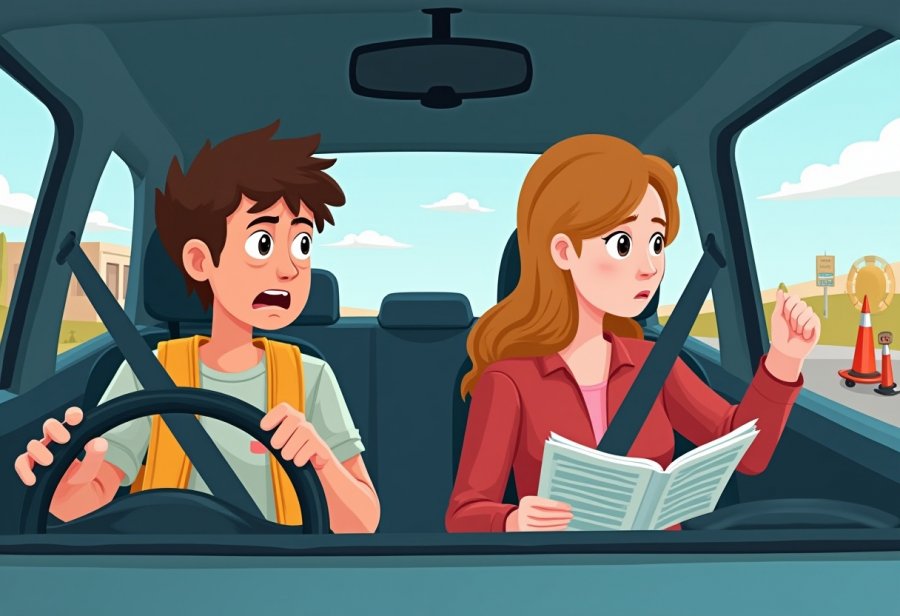
Overcoming Anxiety: Practical Strategies for Nervous Teen Drivers
Starting out as a nervous teen driver can feel overwhelming, but breaking the process into clear, manageable steps makes a big difference. Begin in quiet, familiar areas like empty parking lots or calm neighborhood streets. These spaces allow you to focus on fundamental skills—like starting smoothly, stopping steadily, and steering confidently—without the added pressure of traffic. Repeating these actions in low-stakes settings helps your muscles remember the correct movements, gradually easing feelings of being overwhelmed.
Practicing regularly in calm environments is essential. As you spend time in quiet surroundings, your reactions become more automatic, and nerves start to fade. Building muscle memory and familiarity in these safe spaces prepares you for busier roads, making each new challenge less intimidating. This gradual exposure develops confidence step by step, so you can handle more complex situations with greater ease.
Adopting a growth mindset is a game-changer. Instead of seeing mistakes as failures, view them as natural parts of learning. When you hesitate at an intersection or struggle with parking, remind yourself that every driver started where you are now. Mistakes aren’t signs of incapability—they’re opportunities to improve. Embracing this perspective reduces anxiety and encourages persistence, helping you see setbacks as essential steps toward mastery.
Support from parents, instructors, and friends also plays a crucial role. Positive reinforcement and specific praise—like acknowledging a smooth lane change or a calm merge—boost your confidence. Celebrating small wins shifts your focus away from what’s still challenging and highlights your progress. Feeling appreciated for your efforts makes it easier to stay patient and motivated, even when nerves creep in.
Trust in your training and preparation is key. Recall the hours spent practicing in safe environments, the skills you’ve refined, and the safety rules you follow. Break more daunting scenarios—like merging onto busy highways—into smaller, manageable steps. Successfully navigating these smaller parts reinforces your belief that you can handle more complex situations, transforming initial anxiety into genuine self-assurance.
Facing new driving environments gradually builds resilience. Starting in familiar neighborhoods and then progressing to urban streets or rural roads helps you adapt and trust your judgment. Each new challenge becomes an opportunity to test and expand your skills, steadily turning nervousness into confidence. Repeated exposure in varied settings creates a solid foundation of trust in your abilities.
Finally, celebrate your progress along the way. Recognize improvements like smoother steering or better decision-making, as these reinforce your growth. These small victories foster a positive mindset, making each drive more comfortable. With patience, consistent practice, and support, nerves diminish as confidence takes their place—paving the way for a lifelong sense of independence behind the wheel.
Insights from Experts: Fostering Confidence in Young Drivers
Experts in driving education and adolescent psychology agree that building teen confidence behind the wheel isn’t just about honing skills; it’s about cultivating a safe and encouraging environment where mistakes are viewed as natural steps in learning. Driving instructors emphasize patience and positive reinforcement, encouraging teens to see errors not as failures but as opportunities to grow. When teens feel supported and unjudged, they become more willing to push past their fears and develop resilience that can benefit them well beyond the road.
Psychologists highlight the importance of fostering a growth mindset. Understanding that confidence develops gradually through experience, rather than immediate perfection, can ease anxiety and promote persistence. When setbacks happen—which they inevitably will—reframing them as part of the learning process helps teens stay motivated and resilient. This perspective reduces feelings of shame and promotes emotional strength, making it easier for teens to persevere through challenging moments.
Both groups stress that exposure to diverse driving environments significantly boosts confidence. Starting in quiet neighborhoods and gradually progressing to busier streets allows teens to build skills in manageable steps. Repeated practice across different scenarios helps them trust their judgment and adapt to unpredictable situations, diminishing feelings of being overwhelmed. This gradual exposure creates a solid foundation of trust in their abilities, transforming initial nerves into genuine confidence.
Constructive, specific feedback from instructors and supportive adults plays a vital role. Instead of fixating on mistakes, highlighting what teens do well—like smooth steering or confident decision-making—reinforces their progress. Celebrating small wins shifts focus from fears of failure to achievements, strengthening their belief in their capabilities. When teens receive encouragement that recognizes effort, they’re more motivated to keep practicing and pushing past their nerves.
Normalizing nerves as part of the learning journey makes a significant difference. When teens hear that even experienced drivers face uncertainty and that feeling anxious is natural, it reduces isolation. Recognizing that everyone encounters challenges helps them maintain a positive outlook and view setbacks as normal rather than as signs of incapability. This emotional reassurance boosts resilience and confidence, encouraging teens to approach driving challenges as opportunities for growth.
Overall, experts agree that nurturing teen confidence requires patience, positive reinforcement, varied exposure, and emotional support. Creating an environment where mistakes are seen as normal and progress is celebrated helps teens develop resilience and trust in their abilities. This balanced approach not only makes them safer drivers but also builds a foundation of self-reliance that can serve them throughout life, fostering independence and inner strength on and off the road.
Path to Confidence: Next Steps for Teen Drivers’ Success
Building confidence as a teen driver is a journey that develops gradually through consistent effort and positive reinforcement. Celebrating small wins, like a smooth parking maneuver or a calm highway merge, helps teens recognize their progress and start trusting their abilities. These moments of achievement lay the groundwork for tackling more complex driving tasks, transforming initial nerves into a genuine sense of control and competence.
Starting in familiar, low-pressure environments—such as quiet neighborhoods or empty parking lots—provides a safe space for teens to hone essential skills without feeling overwhelmed. As they build confidence in these controlled settings, they become better prepared to face busier roads and unpredictable situations. This step-by-step approach reinforces their trust in their training, making each new experience feel more manageable and less intimidating.
Support from parents, instructors, and friends also plays a crucial role. Encouragement and specific praise for progress—like a confident lane change or a smooth stop—boost motivation and self-belief. Recognizing effort rather than perfection fosters a growth mindset, helping teens see setbacks as part of the learning process rather than failures. This perspective nurtures resilience, making it easier for them to persevere through challenges and setbacks.
Exposure to diverse driving environments further solidifies their confidence. Gradually progressing from familiar neighborhoods to urban streets, rural roads, and highways helps teens adapt and trust their judgment. Each new challenge becomes an opportunity to expand their skills and build resilience, gradually replacing anxiety with genuine confidence. Repeated practice across different scenarios creates a strong foundation of trust in their abilities, turning nerves into self-assurance.
Finally, celebrating progress along the way keeps motivation high. Recognizing improvements, no matter how small, reinforces their belief in growth and capability. These positive moments foster a mindset where learning and development become ongoing, natural parts of their driving journey. With patience, practice, and support, teens can move from hesitant beginners to confident drivers ready to navigate both the road and life’s future challenges with resilience and independence.
About the Author