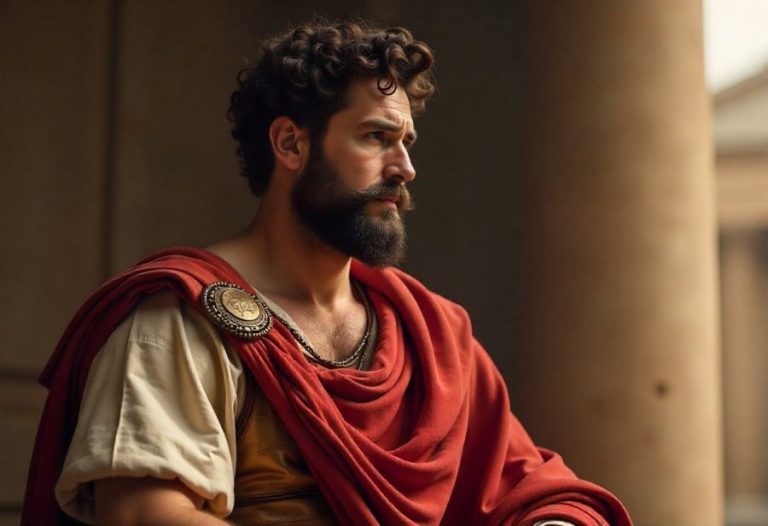
Genghis Khan is often remembered as a ruthless conqueror, but his true legacy reveals a visionary leader whose strategic brilliance and unifying spirit transformed Eurasia. Rising from humble beginnings on the Mongolian steppes, his journey was shaped by hardship, betrayal, and resilience—traits that fueled his relentless drive to forge a powerful empire. Far beyond bloodshed, he championed meritocracy, religious tolerance, and cultural exchange, laying the groundwork for unprecedented stability along the Silk Road during the Pax Mongolica. His mastery of chaos, psychological tactics, and rapid mobility turned disarray into advantage, teaching modern leaders the power of adaptability and shared purpose. What lessons can we draw from his ability to inspire loyalty, harness chaos, and craft sustainable growth? Genghis Khan’s story challenges us to see true power not just in dominance, but in vision, resilience, and the capacity to unify divided societies—an enduring blueprint for leadership that continues to inspire.
Unveiling the Legend of Genghis Khan: A Leader of Resilience and Innovation
Genghis Khan’s name instantly conjures images of vast armies sweeping across continents, leaving behind a trail of conquest and transformation. But beneath the legends of brutality and bloodshed lies a leader driven by vision and ingenuity. Rising from humble beginnings on the Mongolian steppes, he transformed fractured tribes into a unified empire that reshaped Eurasian history. His story is one of resilience, strategic brilliance, and relentless ambition—qualities that turned chaos into opportunity.
More than just a military genius, Genghis understood that true power rested on loyalty, merit, and adaptability. His early life was marked by hardship, betrayal, and survival against the odds, experiences that deeply influenced his approach to leadership. These struggles forged a resilient spirit and a clear understanding that strength comes from unity and fairness, not just brute force. His ability to inspire loyalty through shared purpose helped him forge bonds across diverse tribes.
His rise was fueled by a talent for turning disarray into order. By uniting disparate groups under a common goal, he created a disciplined, adaptable force capable of rapid expansion. His campaigns weren’t solely about conquest; they aimed to build a social and political order rooted in meritocracy and shared values. This vision laid the groundwork for an empire that stretched across China, Central Asia, and Persia, fostering stability along the Silk Road.
Beyond military achievements, Genghis promoted religious tolerance and cultural exchange, recognizing that openness and dialogue could strengthen his empire. His leadership fostered a period of unprecedented stability known as the Pax Mongolica—a time when trade, ideas, and technologies flowed freely across Eurasia. His legacy demonstrates that leadership rooted in strategic foresight, fairness, and innovation can have a lasting impact far beyond the battlefield.
Genghis Khan remains a complex figure—part ruthless conqueror, part visionary leader. His ability to harness chaos, inspire loyalty, and forge a shared identity offers lessons that resonate today. His rise from adversity to empire-building exemplifies how resilience, strategic thinking, and unifying purpose can turn even the most fractured societies into enduring legacies. His story continues to intrigue and inspire, revealing that true power lies not just in dominance, but in vision and the capacity to transform chaos into lasting change.
From Steppes to Empire: The Formative Years of Genghis Khan
Genghis Khan, born Temujin around 1162, grew up amid the rugged expanses of the Mongolian steppes. His early years were marked by constant struggle—his family belonged to a minor tribe that faced threats from rival clans, environmental hardships like droughts, and the harsh realities of survival. Life was a relentless battle for resources, safety, and stability, with betrayal and conflict woven into daily existence. Yet, even as a boy, Temujin displayed an innate talent for leadership and resilience, qualities that would define his future.
When he was still young, Temujin’s father was poisoned by a rival tribe, leaving his family vulnerable and thrusting him into a world of chaos and shifting alliances. This early betrayal deeply shaped his understanding of loyalty and the fragile nature of tribal bonds. It also ignited his determination to unify the Mongol tribes under a stronger, more resilient leadership—an idea that would dominate his life’s work. His ability to rally followers despite humble origins proved that leadership could be earned through merit, not just bloodline.
As he grew older, Temujin began forging alliances with other tribes, often combining diplomacy with military prowess. He earned a reputation for fairness and rewarding loyalty, which helped him attract followers who believed in his vision of unity. Early victories against rival clans and successful campaigns to consolidate power across the Mongolian steppe laid the foundation for his ambitions. These successes demonstrated his knack for transforming disorganized tribal groups into a cohesive, disciplined force capable of rapid expansion.
The defining moment came in 1206 when Temujin was proclaimed Genghis Khan, meaning “Universal Ruler.” This title marked his achievement in uniting the Mongol tribes into a single political and military entity. Achieving this required strategic marriages, alliances, and relentless military campaigns that outmaneuvered rivals and solidified his authority. It was a turning point, shifting his focus from tribal conflicts to the broader goal of empire-building.
Behind the scenes, Genghis built a network of supporters and advisors—many of whom had been rivals—through negotiation, marriage, and strategic placement. His skill in transforming enemies into allies created a resilient leadership structure that could withstand internal dissent and external threats. From his humble beginnings, he learned that survival depended on adaptability, strategic thinking, and earning loyalty through fairness and shared purpose.
His childhood hardships and betrayals shaped his understanding of human nature and leadership. These early experiences fueled his drive to build a social order rooted in merit and collective strength. From chaos, he forged a united empire, setting the stage for a legacy that would forever alter the course of Eurasian history.
Core Traits That Defined a Conqueror: Leadership Principles of Genghis Khan
Genghis Khan’s leadership was rooted in a set of core qualities that made him both a brilliant strategist and an inspiring unifier. Resilience was at the heart of his approach; he faced betrayal, setbacks, and fierce opposition, yet refused to be broken. Instead, he turned adversity into fuel, sharpening his vision and strengthening his resolve. His calmness amid chaos allowed him to think clearly and act decisively, transforming obstacles into opportunities for growth.
Strategic thinking was another pillar of his leadership. Genghis looked beyond immediate battles, always planning for the long term. He adapted swiftly to changing circumstances, employing innovative military tactics like rapid cavalry movements and psychological warfare. This ability to see the bigger picture enabled him to craft campaigns that not only won battles but also laid the foundation for a lasting empire.
A defining trait was his unwavering sense of purpose. Genghis was driven by a clear goal: unite the fractured Mongol tribes and forge a powerful, cohesive empire. This shared vision inspired loyalty and motivated his followers to fight fiercely for a common cause. He challenged existing notions of power, promoting meritocracy and shared values over bloodline or fear, fostering trust and collective identity.
Fairness and loyalty were central to his leadership style. Unlike rulers who relied solely on lineage or intimidation, Genghis rewarded ability and loyalty regardless of tribal background. This approach created a motivated, resilient force where followers believed in his leadership and willingly committed themselves to his cause. His emphasis on shared purpose helped forge a strong, unified social fabric.
Genghis also understood the power of symbolism and discipline. He established laws and customs that promoted equality and fairness, reinforcing a sense of unity among diverse groups. By promoting capable leaders and rewarding merit, he built a resilient leadership structure capable of withstanding internal dissent and external threats alike.
His mastery of military innovation set him apart. Genghis perfected the use of fast, mobile cavalry and psychological tactics that kept enemies off balance. He understood that chaos could be manipulated—using misinformation and surprise to weaken foes before combat even began. Turning disorder into strategic advantage became one of his most remarkable skills.
Finally, Genghis inspired loyalty through shared purpose and fairness. His ability to motivate followers based on ability and trust created a cohesive, resilient army. This loyalty was more enduring than fear or kinship alone, allowing his empire to expand rapidly and sustain itself over time. His leadership exemplifies how vision, resilience, and innovation come together to forge true power.
Modern Lessons from a Historical Titan: Applying Genghis Khan’s Strategies Today
Genghis Khan’s leadership principles remain surprisingly relevant today, offering valuable lessons for modern leaders and organizations. His emphasis on meritocracy—promoting individuals based on talent rather than lineage—reminds us that recognizing and cultivating skills drives innovation and motivation. When teams are rewarded for ability and effort, trust grows, and a culture of fairness and resilience takes root. This approach fosters loyalty and creates an environment where people are motivated to contribute their best, regardless of background.
Unifying diverse groups under a shared purpose is another timeless strategy Genghis employed. He used symbols, laws, and shared rewards to forge a collective identity that transcended tribal loyalties. Today, clear goals and inspiring visions can similarly break down barriers in workplaces and communities. When people feel part of something bigger than themselves, their commitment deepens, and collaboration becomes more effective. Building a strong sense of shared purpose is key to fostering loyalty and resilience in any team.
Resilience was at the core of Genghis’s success. Despite betrayal, setbacks, and fierce opposition, he refused to give in. Instead, he turned obstacles into opportunities for growth, remaining calm under pressure and adapting swiftly to new circumstances. Modern leaders can draw from this example by viewing challenges as chances to rethink strategies and strengthen resolve. Resilience isn’t just about bouncing back; it’s about staying focused and using adversity to propel progress forward.
Turning chaos into advantage was another hallmark of his leadership. Whether through psychological warfare, surprise attacks, or rapid maneuvering, Genghis exploited enemies’ disorganization to his benefit. In today’s fast-paced environment, controlling the narrative and leveraging unpredictability can give organizations a competitive edge. Recognizing when disorder can be manipulated strategically allows leaders to shape outcomes rather than merely react to them, turning uncertainty into opportunity.
Finally, Genghis’s long-term vision highlights the importance of balancing immediate wins with sustainable growth. He laid the foundations for cultural exchange, trade, and stability across Eurasia, demonstrating that lasting success depends on trust, shared values, and adaptability. Leaders who focus solely on short-term gains risk losing sight of broader goals. His example encourages us to think beyond quick victories, fostering inclusive, resilient systems capable of enduring and thriving over time.
Legacy of a Visionary: Enduring Lessons from Genghis Khan’s Leadership
Genghis Khan’s leadership offers timeless lessons that go beyond the battlefield. His ability to envision a future rooted in unity and shared purpose underscores the power of strategic foresight combined with genuine inspiration. What set him apart was not just his military prowess but his talent for fostering loyalty through fairness, merit, and trust. These principles created a resilient social fabric that endured long after his death, demonstrating that true power stems from the capacity to unite and uplift others around a common goal.
Resilience was central to Genghis’s success. Facing betrayal, environmental hardships, and relentless opposition, he refused to be defeated. Instead, he turned setbacks into opportunities, sharpening his strategies and deepening his resolve. His calmness amid chaos allowed him to think clearly and act decisively, transforming obstacles into stepping stones. This ability to adapt and maintain focus under pressure remains a vital lesson for modern leaders navigating unpredictable landscapes.
His mastery of chaos as a strategic tool remains one of his most enduring legacies. Whether through psychological warfare, surprise tactics, or rapid maneuvering, Genghis exploited enemy disorganization to gain the upper hand. Recognizing when disorder can be manipulated—rather than avoided—gives leaders a significant advantage. Controlling the narrative and leveraging unpredictability can shape outcomes, turning uncertainty into an opportunity for strategic advantage in today’s complex world.
Building on this, his long-term vision highlights the importance of balancing immediate gains with sustainable growth. Genghis laid the groundwork for cultural exchange, trade, and stability across Eurasia, demonstrating that enduring success depends on trust, shared values, and adaptability. Leaders today are encouraged to look beyond quick wins, fostering inclusive and resilient systems capable of thriving over time. His example shows that lasting impact comes from a combination of strategic foresight and the ability to inspire loyalty.
Ultimately, Genghis Khan’s story reminds us that leadership rooted in vision, resilience, and the capacity to unite diverse groups remains relevant across ages. His legacy teaches that true power lies in inspiring loyalty, turning chaos into opportunity, and building a shared purpose that endures beyond individual achievements. His life exemplifies how strategic innovation and unwavering resolve can create a lasting mark on history—lessons that continue to inspire and guide those seeking to lead with purpose and integrity today.
About the Author