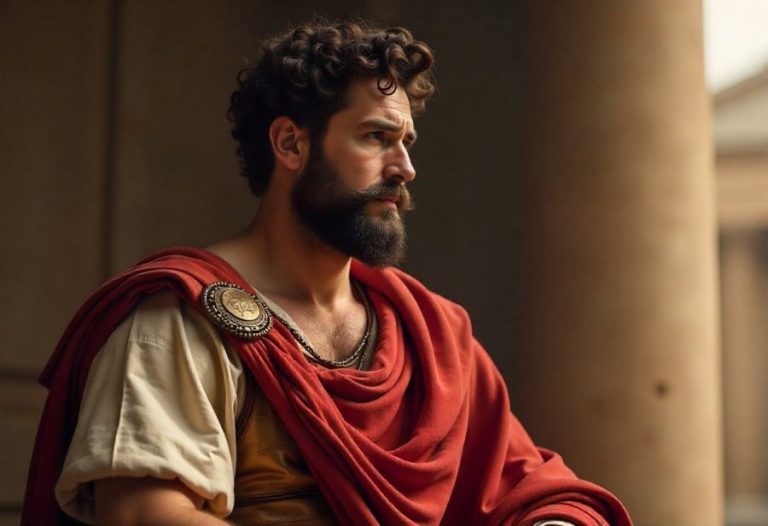
Discover the extraordinary life of Alexander the Great, a young king whose unparalleled military genius and bold vision transformed the ancient world. From his royal Macedonian beginnings and education under Aristotle, to his swift rise to power after his father’s death, Alexander’s ambition knew no bounds. His legendary campaigns against Persia, blending innovative tactics with cultural diplomacy, laid the groundwork for a Hellenistic civilization that fused East and West. Yet, his relentless drive also brought destruction, raising questions about the true cost of greatness. Today, scholars analyze his strategic brilliance through modern tools, exploring both his military mastery and cultural policies. Could his legacy serve as a blueprint for contemporary leadership—balancing conquest with intercultural harmony? As archaeological discoveries and interdisciplinary research deepen our understanding, Alexander remains a symbol of visionary ambition and complex legacy—an enduring figure whose influence invites reflection on the true nature of power, innovation, and cultural fusion.
Alexander the Great: A Legend of Ambition and Innovation
Alexander the Great stands as one of history’s most legendary figures, renowned for his extraordinary military talent and bold vision of uniting the world. Born in 356 BCE in Macedon, he inherited a throne and an empire-building drive that would forever alter the ancient landscape. Over a decade, he expanded his empire across three continents, blending cultures and leaving a lasting legacy in politics, art, and warfare. His story isn’t just about battles and borders but about a leader whose influence continues to inspire curiosity and debate. Despite the centuries that have passed, Alexander’s life remains a symbol of ambition, innovation, and the transformative power of cultural fusion. His achievements continue to shape our understanding of leadership and conquest.
Early Life and Background: Foundations of a Conqueror
Alexander the Great was born in 356 BCE in Pella, the heart of Macedon. His father, King Philip II, was a formidable military leader who had unified much of Greece under Macedonian control, laying the groundwork for Alexander’s ambitions. His mother, Olympias, believed her son was descended from gods, fueling his sense of divine destiny from an early age. Recognized for his intelligence and charisma, Alexander displayed leadership qualities even as a child. His education under Aristotle exposed him to philosophy, science, and arts, shaping his worldview and strategic thinking. These early influences set the foundation for a leader destined to change history through bold vision and unparalleled military prowess.
Present-Day Legacy: Enduring Influence of a Military Icon
Today, Alexander the Great is celebrated as a symbol of visionary leadership and cultural exchange. His conquests laid the groundwork for the Hellenistic world, spreading Greek ideas, art, and language across vast regions that still influence modern society. Cities like Alexandria stand as enduring monuments to his legacy, serving as centers of learning and innovation for centuries. Scholars view his military genius and policies of cultural fusion as early models of intercultural dialogue, relevant even today. While debates continue over the morality of his campaigns, his impact on shaping global history remains undeniable. Alexander’s legacy endures not just through history books but as a lasting inspiration for leaders and thinkers seeking to bridge differences and foster unity.
What’s Standard Now: Modern Perspectives on His Military and Cultural Impact
Today, scholars view Alexander the Great as both a military innovator and a cultural pioneer. His tactical brilliance—highlighted by rapid maneuvers, combined arms, and psychological warfare—continues to set standards in military strategy. Modern analysis emphasizes how his use of surprise attacks and mobility reshaped ancient combat, influencing military thought to this day. Equally important is his role in spreading Greek culture, language, and art across his empire through policies of Hellenization. Researchers now explore both the strategic and cultural dimensions of his legacy, acknowledging the human costs and moral complexities involved. This balanced perspective underscores Alexander’s enduring impact as a leader whose influence transcends warfare to shape intercultural dialogue.
Recent Trends in Scholarship: New Insights and Debates on Alexander
Recent scholarship on Alexander the Great has embraced a more interdisciplinary approach, enriching our understanding of his complex legacy. Archaeological discoveries, such as inscriptions and city ruins, now provide tangible insights into his campaigns and cultural policies, adding depth to traditional narratives. Digital tools like GIS mapping reveal intricate social networks and geographic patterns, shedding new light on governance and movement within his empire. Researchers also analyze his psychological makeup and leadership style, offering fresh perspectives on his decision-making processes. Debates over the morality of his conquests and the long-term effects of Hellenization have become more nuanced, moving beyond hero worship to acknowledge the darker realities of his campaigns. These evolving studies paint a richer picture of Alexander as both a military innovator and a cultural transformer.
Key Figures and Students: Leaders Inspired by His Legacy
Throughout history, numerous leaders and scholars have drawn inspiration from Alexander the Great’s extraordinary achievements. Military strategists like Napoleon Bonaparte studied his bold tactics, recognizing the power of adaptability and daring in warfare. Historians such as Arrian, Plutarch, and Diodorus Siculus shaped our understanding of Alexander through their detailed accounts, influencing countless generations. Modern researchers continue to analyze his leadership style, debating whether his success stemmed from military genius or diplomatic skill. These figures—both past and present—keep Alexander’s legacy alive, ensuring his influence on leadership, strategy, and intercultural exchange remains central in historical thought. Their work underscores his enduring impact on how greatness and innovation are perceived.
Challenges and Controversies: The Complex Moral Legacy of Conquest
The legacy of Alexander the Great is clouded by ongoing debates about his methods and their moral implications. His innovative military tactics—such as swift flanking maneuvers and psychological warfare—revolutionized ancient combat but often came with brutal consequences. Siege warfare, mass executions, and forced relocations left a trail of destruction that raises questions about the human cost of his conquests. His push for cultural fusion through policies of Hellenization sparked controversy, as critics argue that it sometimes suppressed local traditions and fostered resentment. These efforts, while promoting unity, also masked underlying tensions and resistance among conquered peoples. Such complexities invite us to consider the fine line between visionary leadership and ethical responsibility in empire-building.
Practical Applications and Lessons: Leadership Strategies for Today
Alexander’s leadership strategies continue to resonate today, especially in fields that demand agility and quick thinking. His emphasis on surprise attacks and rapid maneuvers has shaped modern military tactics like blitzkrieg and special operations, highlighting speed and psychological impact. Leaders in business and politics also draw lessons from his ability to inspire loyalty and unify diverse teams through a compelling vision. His approach to cultural integration shows that embracing diversity can foster stronger alliances and spark innovation. These principles remind us that bold decisions and adaptability are essential for overcoming complex challenges, whether on the battlefield or within organizations. Applying his lessons helps create resilient, dynamic strategies suited for today’s unpredictable world.
Modern military leaders often turn to Alexander the Great’s tactics when facing complex, unpredictable situations. His focus on speed and surprise continues to influence strategies like rapid deployment and covert operations, allowing forces to disorient opponents and gain psychological advantages. Special forces units frequently practice flanking maneuvers reminiscent of his legendary attacks, honing decision-making under pressure. His emphasis on mobility demonstrates the importance of flexibility amid chaos, whether in combat or peacekeeping missions. Leaders also adopt his skill in inspiring loyalty by sharing a clear, compelling vision, which helps unify diverse teams. These historical lessons remain vital in developing effective, adaptable approaches in today’s high-stakes operational environments.
In the corporate world, many leaders find value in Alexander’s ability to motivate and rally teams around a shared goal. His daring tactics teach the importance of taking calculated risks and moving swiftly to seize opportunities. Embracing change and fostering innovation, inspired by his cultural fusion policies, can help organizations adapt in a competitive landscape. Leaders who adopt his mindset of resilience and strategic boldness often encourage a culture of agility and continuous learning. These lessons emphasize that embracing diversity and challenging norms can lead to breakthroughs and sustained growth. In this way, Alexander’s leadership principles serve as a blueprint for modern success, showing that vision combined with decisiveness drives progress.
Strategic decision-making, as exemplified by Alexander, involves balancing boldness with prudence. His campaigns demonstrate that calculated risks, when backed by thorough planning and confidence, can lead to extraordinary outcomes. Leaders today are encouraged to assess risks carefully but not shy away from opportunities that require courage and innovation. His ability to adapt tactics on the fly highlights the importance of flexibility in uncertain environments. Developing this mindset helps leaders respond swiftly to unforeseen challenges, turning obstacles into advantages. By studying his approach, modern strategists learn to trust their instincts while maintaining a clear understanding of potential consequences. This balance between daring and caution remains essential for effective leadership in dynamic contexts.
Alexander’s legacy also underscores the value of inspiring loyalty through clear communication and shared purpose. His charismatic leadership rallied troops during grueling campaigns, fostering a sense of unity and commitment. Today, effective leaders prioritize transparency and emotional connection to motivate teams through change and adversity. His example shows that a compelling vision can transcend cultural differences, creating a cohesive force capable of remarkable achievement. Building trust and fostering a sense of collective identity are crucial for sustaining momentum in any organization. Leaders who emulate his ability to inspire and connect with others often unlock higher levels of performance and resilience. This human touch in leadership continues to be a powerful tool for guiding teams toward common goals.
Applying Alexander’s principles also involves understanding the significance of cultural sensitivity and adaptation. His policies of Hellenization, while controversial, demonstrate that integrating diverse perspectives can strengthen a unified effort. Modern leaders recognize that respecting local traditions and fostering inclusivity enhances cooperation and loyalty. Embracing cultural differences as opportunities for growth, rather than obstacles, can lead to innovative solutions and stronger alliances. His example encourages leaders to approach diversity not as a challenge but as an asset in strategic planning. This mindset promotes openness and flexibility, essential traits for navigating today’s interconnected world. By learning from his successes and missteps, contemporary leaders can build more harmonious and effective organizations.
Innovative thinking and decisive action, hallmarks of Alexander’s campaigns, remain vital in the face of today’s rapid change. His ability to seize opportunities swiftly and decisively often turned the tide of battles and campaigns. Leaders today are inspired to develop their agility, learning to pivot quickly when circumstances shift unexpectedly. Harnessing the power of bold moves, combined with thorough preparation, enables organizations to stay ahead of competitors. His emphasis on swift execution teaches that hesitation can mean missed chances, while courage can lead to breakthroughs. Cultivating this mindset encourages proactive, rather than reactive, strategies—an essential trait for thriving in complex, competitive environments.
Overall, Alexander’s leadership offers timeless lessons that transcend military conquest. His focus on innovation, agility, and cultural fusion provides a comprehensive blueprint for success across sectors. By studying his tactics and philosophies, modern leaders can craft strategies that are both bold and adaptable. His legacy reminds us that true greatness involves balancing vision with responsibility, inspiring loyalty while respecting diversity. Applying these principles today can help organizations and individuals navigate uncertainty with confidence and resilience. As challenges evolve, Alexander’s example encourages us to lead with courage, intelligence, and an openness to change—traits that will ensure lasting impact and continued relevance.
Day-to-Day Uses: Modern Military Tactics Inspired by Alexander
Modern military leaders often look to Alexander the Great’s tactics when facing complex, unpredictable situations. His emphasis on speed and surprise continues to influence strategies like blitzkrieg and special operations, allowing forces to disorient opponents and gain psychological advantages. Units practice flanking maneuvers that echo his legendary attacks, sharpening decision-making under pressure. His focus on mobility highlights the importance of flexibility in chaos, whether during combat or peacekeeping. Leaders also draw inspiration from his ability to motivate troops with a clear vision, fostering unity even amidst adversity. These lessons from history remain vital, helping today’s forces adapt swiftly and effectively in a constantly changing battlefield environment.
Case Studies: Success Stories Rooted in Alexander’s Methods
Modern military units often draw inspiration from Alexander the Great’s legendary tactics, especially his emphasis on speed and surprise. Special operations forces frequently adopt rapid, unpredictable flanking maneuvers that mirror his legendary attacks, allowing them to strike swiftly and disorient opponents. These strategies showcase how flexibility and boldness can turn the tide of confrontation, much like Alexander’s victories at Gaugamela and Issus. In the corporate world, leaders like Satya Nadella have embraced a vision-driven approach that motivates teams to innovate and adapt quickly, echoing Alexander’s ability to unify diverse groups around a shared purpose. These examples demonstrate how his methods continue to influence leadership and strategic thinking beyond the battlefield.
Tips and Resources: How to Study and Emulate His Leadership
To start studying Alexander’s leadership, begin with key biographies like Arrian’s “Anabasis” and Plutarch’s “Life of Alexander.” These works provide detailed insights into his decision-making, tactics, and mindset. Pair them with modern analyses that explore his military strategies and cultural policies to see how his approaches worked across different contexts. Engaging in strategic role-playing or scenario planning can deepen your understanding of his tactics, helping you practice quick thinking and adaptability. Watching documentaries or enrolling in online courses on ancient warfare and intercultural leadership can broaden your perspective. Active application of these lessons makes it easier to emulate his boldness and strategic agility. Consistent study and hands-on practice are key to mastering his leadership style.
Learning From Mistakes: Lessons from Overreach and Personal Risk
Even the greatest leaders like Alexander the Great made critical mistakes that shaped the fate of their empires. Overextension was one of his most significant errors; his relentless push eastward strained his troops and exhausted resources, leading his army to refuse further marches at the Beas River. This highlights how unchecked ambition can clash with human limits and strategic restraint. Alexander’s tendency to lead from the front increased his personal risk, sometimes exposing him unnecessarily in battle. These choices underscore the importance of knowing when to pause, even for a visionary leader. Overreach can threaten stability and long-term success, regardless of military brilliance. Recognizing these pitfalls offers valuable lessons for modern leaders navigating complex ambitions.
Looking Ahead and Final Reflections: Future Research and Enduring Significance
Future research on Alexander the Great promises to deepen our understanding through new archaeological discoveries and technological advances. As excavations uncover inscriptions, city ruins, and artifacts, scholars will gain clearer insights into his campaigns, cultural policies, and daily life within his empire. Digital tools like GIS mapping and network analysis will reveal complex social and geographic patterns, offering fresh perspectives on governance and movement across his vast territories. Interdisciplinary approaches combining history, archaeology, psychology, and cultural studies will provide a more nuanced view of his leadership and decision-making. These developments will refine our perception, highlighting both his strategic brilliance and the moral complexities of his empire-building efforts.
Emerging Trends in Historical Research: New Perspectives on Alexander
Recent trends in studying Alexander the Great are expanding our understanding through innovative interdisciplinary methods. Archaeological discoveries, such as inscriptions and city ruins, now offer tangible evidence that deepens insights into his campaigns, governance, and cultural policies. Digital technologies like GIS mapping and network analysis reveal intricate social and geographic patterns, shedding new light on the complexity of his empire. Scholars are increasingly applying psychological and sociological approaches to better understand his leadership style and decision-making processes. Debates about the morality of his conquests and the effects of Hellenization have grown more nuanced, moving beyond hero narratives to acknowledge the darker realities of empire-building. These evolving perspectives create a richer, more layered picture of Alexander’s lasting influence.
Predictions for Cultural and Military Influence: Future Impact of His Legacy
Looking ahead, Alexander’s legacy is poised to influence both military strategy and cultural exchange for decades to come. As archaeological discoveries and digital mapping tools continue to shed light on his campaigns, scholars will develop a more nuanced understanding of his leadership and policies. His bold tactics, such as rapid maneuvers and psychological warfare, remain relevant in modern combat and organizational management. Culturally, his vision of blending East and West could serve as a model for fostering intercultural dialogue in an increasingly interconnected world. Future research will likely explore the ethical dimensions of his conquests more deeply, prompting a balanced view of his achievements and their long-term impacts. These developments promise to deepen our appreciation of his influence on history and leadership.
Preparing for Continued Legacy: Preserving and Studying Alexander’s Impact
To ensure Alexander the Great’s enduring influence, investing in ongoing archaeological excavations and meticulous documentation of his sites is essential. These tangible remnants—cities, artifacts, inscriptions—offer invaluable insights into his military strategies, cultural exchanges, and daily life within his empire. Supporting interdisciplinary research that combines history, archaeology, and cultural studies helps us grasp the full complexity of his legacy, ensuring multiple perspectives are preserved and understood. Promoting digital archives and accessible databases allows scholars and the public to explore new discoveries and analyses, keeping his story alive across generations. Virtual museums and interactive platforms further engage audiences worldwide, inspiring curiosity and dialogue about his leadership and cultural impact.
Final Thoughts and Summary: Celebrating His Lasting Influence
Alexander the Great’s legacy as a military genius and visionary leader remains unmatched in history. His innovative tactics, from rapid maneuvers to psychological warfare, revolutionized warfare and continue to influence modern strategies. Beyond the battlefield, his efforts to promote cultural fusion laid a foundation for a connected, diverse world that still shapes our thinking today. His vision of uniting East and West through conquest and exchange exemplifies extraordinary foresight. Though his empire was short-lived, the cities he founded and the ideas he inspired endured, reshaping the course of history. Alexander’s story proves that boldness paired with intelligence can leave a lasting, transformative impact that transcends centuries. His legacy inspires leaders and thinkers to dream big, act decisively, and embrace cultural diversity.
About the Author