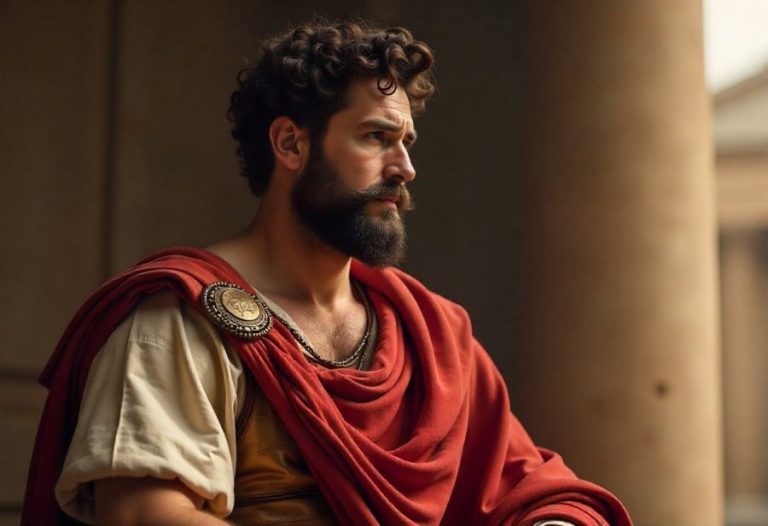
Is Robin Hood’s legendary rebellion rooted in real conflicts with King John, or is he a mythic symbol crafted over centuries? This compelling exploration delves into the complex social and political upheavals of medieval England, revealing how stories of outlaws and resistance emerged amid heavy taxation, royal abuses, and societal unrest. While Robin Hood embodies ideals of justice, fairness, and moral virtue, the narrative often romanticizes and oversimplifies the true chaos of rebellion, which was typically fragmented and driven by immediate survival rather than a unified ideological movement. The legend’s association with Sherwood Forest and his portrayal as a charismatic leader highlight both historical realities and mythic embellishments. Ultimately, Robin Hood’s story operates as a powerful symbol—blurring the lines between history and mythology—raising the question: does his enduring legend reflect genuine social resistance or a timeless ideal of moral defiance that continues to inspire modern struggles for justice?
Unveiling Robin Hood: Legend, Myth, and Social Justice
The legend of Robin Hood has endured for centuries, captivating audiences with its tales of heroism, resistance, and social justice. At its core, Robin Hood embodies the archetype of the noble outlaw—an individual who operates outside the bounds of law to challenge corrupt authority and stand up for the oppressed. These stories, rooted in medieval England, depict him as a hero residing in Sherwood Forest, fighting against unjust kings and greedy nobles. Over time, Robin Hood’s myth has evolved through oral tradition, ballads, and literary retellings, transforming from a local figure into a symbol of moral righteousness that resonates across generations. The universal themes of justice and rebellion embedded in his legend help explain his lasting appeal.
The social and political climate of medieval England played a significant role in shaping these stories. During the late 12th and early 13th centuries, the kingdom was rife with conflicts, heavy taxation, and widespread dissatisfaction with royal authority. King John’s reign, in particular, was marked by military failures and fiscal extortion, which fostered unrest among both the nobility and commoners. These tensions provided fertile ground for stories of resistance, whether rooted in actual events or constructed narratives. Robin Hood’s tales mirror these societal upheavals, portraying a hero who fights against the excesses of royal power and champions fairness. Yet, these stories are allegories more than historical records, designed to reflect social tensions rather than document specific conflicts.
Scholars remain divided on whether Robin Hood was a real person or a purely mythic creation. The earliest references to Robin Hood appear centuries after the supposed time of his activity, with stories first emerging in the form of ballads and folk tales. These early accounts lack details that firmly connect Robin Hood to any specific historical figure or event. Despite later associations with King John’s reign, no concrete documentation confirms Robin Hood’s existence as a rebel leader or outlaw in the historical record. Instead, he exists as a cultural symbol—an embodiment of resistance and justice that society has projected onto a legendary figure.
While Robin Hood’s stories emphasize his opposition to injustice, they also simplify the complex realities of medieval rebellion. Resistance against royal authority was often fragmented, motivated by immediate economic needs, local conflicts, or personal survival. The stories elevate Robin as a heroic figure who embodies moral virtue, but they overlook the pragmatic and multifaceted nature of actual resistance movements. Robin’s opposition appears as a clear-cut battle between good and evil, hero and villain, a dichotomy that makes for compelling storytelling but distorts the nuanced political landscape of the period.
The physical landscape of Robin Hood’s legends, particularly Sherwood Forest, reflects historical realities of the time. Forested areas served as refuges for outlaws and rebels seeking sanctuary from royal patrols, creating natural hideouts away from central authority. These regions symbolized spaces of resistance, where those discontent with royal control could operate on the margins of society. Robin Hood’s association with Sherwood enhances his image as a hero operating from the shadows. Yet, the romanticized portrayal of these forests as idyllic havens of justice ignores their often lawless and dangerous nature. In truth, they were environments filled with petty criminals, survivalists, and opportunists, rather than the noble outlaws of legend.
The myth of Robin Hood also magnifies the scope of rebellion, portraying him as a leader of a large, organized band fighting against the crown. Historical evidence suggests that most outlaws in medieval England were isolated figures or small groups driven by immediate needs rather than ideological resistance. The stories inflate Robin’s leadership qualities, transforming him into a charismatic figurehead for collective justice. This elevation from a local, perhaps individual, outlaw to a symbol of widespread rebellion helps explain his enduring appeal but overstates the likelihood of a coordinated uprising of Robin’s magnitude actually existing. The romance of a hero rallying a band of rebels remains a powerful narrative device, even if it diverges from historical reality.
Robin Hood’s moral stance—redistributing wealth and fighting against greed—aligns with social ideals but oversimplifies medieval economics. Wealth redistribution was rarely a systematic act of resistance; instead, it often took the form of individual theft or banditry motivated by immediate survival. The stories elevate Robin’s actions to a moral crusade, reinforcing his image as a champion of the oppressed. However, the reality of medieval poverty and inequality was far more complex, with motives rooted in necessity rather than ideological opposition to wealth concentration. This idealization helps reinforce Robin Hood’s mythic qualities, framing him as a moral hero rather than a pragmatic criminal.
The stories tend to overlook the layered political and legal structures that defined rebellion in the Middle Ages. Outlawry was both a criminal act and a form of resistance, depending on perspective. Robin Hood’s supposed activities—stealing from the rich, challenging authority—fit neatly into the archetype of the moral hero, but the legal context often treated outlaws simply as criminals. The romanticized narratives omit these legal nuances, presenting Robin as a virtuous figure fighting injustice, while in reality, the line between outlaw and rebel was often blurred. This selective storytelling simplifies the complex social and legal realities that shaped rebellion and outlawry in medieval England.
In sum, Robin Hood’s legend encapsulates a mixture of genuine social tensions and mythic embellishments. While the stories reflect real grievances—such as opposition to heavy taxation, abuses of power, and social inequality—they tend to romanticize and distort the messy realities of medieval conflict. Robin Hood’s mythic image as a moral warrior resonates deeply because it embodies the universal desire for justice. Yet, it is essential to distinguish between the myth and the historical complexities that underlie these tales. Robin Hood’s enduring legacy lies in his role as a cultural symbol—an idealized figure of resistance that continues to inspire the modern imagination, even as the historical truth behind his story remains elusive.
The Political Turmoil of King John’s Reign: Seeds of Rebellion
The political landscape of England during King John’s reign, from 1199 to 1216, was marked by mounting instability and widespread unrest that set the stage for stories of rebellion and resistance. His rule was plagued by military failures, particularly in France, which drained royal resources and heightened fiscal pressures across the kingdom. These setbacks not only weakened England’s standing abroad but also intensified demands on the royal treasury, leading to heavy taxation that fueled discontent among both noble and common populations. The legal documents and chronicles from this period reveal recurrent disputes over taxation, justice, and royal authority, illustrating a pattern of escalating tension between the crown and its subjects.
King John’s reliance on fiscal extortion and arbitrary demands alienated many segments of society. His inability to effectively govern his territories, coupled with military setbacks, created a climate of economic hardship and social frustration. Nobles and local lords, who depended on royal protection and favor, grew increasingly wary of the king’s heavy-handed policies. Petitioning and legal records from this era document grievances over the exploitation of feudal rights and abuses of royal officials, reflecting a broader sense of societal discontent that threatened to erupt into open rebellion. These tensions were not isolated but part of a larger pattern of discontent driven by the perceived overreach of royal authority.
The strained relationship between the monarchy and the aristocracy intensified as King John’s demands for money and military service became more oppressive. Heavy taxation—especially to fund campaigns in France—was viewed as an unjustified overreach that encroached on the traditional privileges of the noble class. Many barons believed their rights and autonomy were being undermined by royal encroachments. This discontent culminated in a series of baronial rebellions, most famously leading to the sealing of the Magna Carta in 1215. The Magna Carta was not merely a legal document but a protest against the unchecked power of the crown, asserting that even the king was subject to law and that certain rights and protections belonged to the nobility and, by extension, to broader society.
The signing of the Magna Carta signaled a radical shift in governance, embodying the collective desire among the aristocracy for limits on royal authority. It addressed grievances over justice, property rights, and the abuse of royal officials, laying the groundwork for constitutional principles that would influence future notions of legal limits on monarchy. The document reflected a society increasingly frustrated with unchecked royal power and underscored the importance of legal protections against arbitrary rule. This moment marked a turning point, inspiring future struggles for political rights and shaping the language of resistance that would echo through subsequent centuries.
Beyond the legal and political upheaval, the period was characterized by regional struggles over local autonomy. Feudal society depended heavily on the loyalty and privileges of local lords and free men, whose rights and customs often clashed with royal efforts to centralize authority. King John’s attempts to impose royal officials and tax collectors across different regions met resistance, especially in forested and rural areas where royal control was weaker. These regions, often marginalized, became symbols of defiance, providing refuge for those resisting royal enforcement. The forests, particularly Sherwood and others, served as natural sanctuaries for outlaws and rebels, reinforcing their role in the social fabric of resistance.
Military campaigns in Normandy and France further strained the kingdom’s resources and morale. The costly failures of these campaigns drained the treasury and led to increased taxation at home. Local communities bore the brunt of these policies, which often resulted in protests or outright rebellion. Chronicles and legal records from this period reveal a society on the brink of upheaval, with grievances rooted in economic hardship and a perceived illegitimacy of royal authority. Resistance took many forms—from petty acts of defiance to organized rebellions—reflecting a society grappling with the limits of royal power and the fragility of social order.
At the core of this turbulence lay fundamental questions about justice, authority, and the social order. The feudal system, built on a delicate balance of loyalty, rights, and obligations, was increasingly challenged by efforts to centralize power. King John’s attempts to override local customs and impose royal authority threatened this balance, prompting resistance in various forms. The forests and rural regions, where royal influence was weaker, became symbols of defiance, serving as refuges for those resisting the crown’s reach. These tensions and conflicts created fertile ground for legendary stories of outlaws and rebels, with Robin Hood’s myth emerging as a reflection—whether direct or symbolic—of the broader struggles against unjust authority and the desire for social justice.
Robin Hood in History and Myth: Reflecting or Distorting Medieval Conflicts
The Robin Hood stories serve as a compelling mirror to the broader social conflicts between commoners and the ruling elite in medieval England, yet they are heavily romanticized and often distort the complex realities of the period. These tales depict Robin as a heroic figure fighting against corrupt authority, especially targeting figures like King John. They emphasize his opposition to injustice, portraying him as a moral outlaw who challenges the oppressive policies of the monarchy. However, such narratives tend to oversimplify the intricate power dynamics that characterized medieval society, reducing them to clear-cut battles of good versus evil, hero versus villain. This simplification helps cement Robin Hood as a moral archetype, but it risks obscuring the political and economic complexities that actually fueled rebellion.
The stories elevate Robin Hood into an eternal symbol of resistance and virtue, transforming him into an archetype rather than a record of historical fact. They focus on his cleverness, his unmatched skill with the bow, and his unwavering commitment to justice—traits that resonate deeply with audiences. Yet, the realities of rebellion in the Middle Ages were far messier. Resistance was often localized, driven by immediate economic grievances, local disputes, or personal survival rather than a unified political ideology. The Robin Hood narratives tend to ignore these layers of complexity, framing Robin as a lone hero fighting against a monolithic evil, rather than as part of a broader social upheaval.
This tendency to romanticize also distorts the scale and scope of rebellion. In truth, most acts of resistance against royal authority were small-scale, sporadic, and motivated by immediate needs. Many outlaws and rebels were driven by poverty, social marginalization, or opportunism rather than a conscious effort to oppose monarchy. The stories, with their larger-than-life Robin rallying a band of outlaws, elevate these individual acts into a collective moral crusade. While this makes for compelling storytelling, it overstates the likelihood of a widespread, organized rebellion on the scale depicted in legend. Robin’s leadership qualities and the myth of a unified band of rebels serve narrative purposes but diverge from the more fractured, pragmatic reality of medieval resistance.
The geographical settings of Robin Hood’s tales—particularly Sherwood Forest—reflect actual historical environments that were conducive to resistance. Forested areas served as natural refuges for outlaws and those resisting royal control, offering concealment from authorities. These regions symbolized spaces where rebellion could flourish, at least temporarily, away from the reach of central power. Robin Hood’s association with Sherwood and similar woods reinforces his image as a hero operating on the margins. Still, the romantic portrayal of these forests as idyllic sanctuaries glosses over their often lawless and dangerous nature. In reality, forests housed a mix of petty criminals, survivalists, and opportunists, rather than the noble outlaws of legend.
The myth further magnifies Robin Hood’s rebellion by portraying him as a leader of a sizable, organized band fighting against the crown. Historical evidence suggests that most outlaws were isolated figures or small groups motivated primarily by immediate economic needs. These rebels rarely acted with coordinated political intent. The stories, however, amplify Robin’s charisma and leadership, transforming him into a figurehead for collective justice. This elevation creates a romantic image of Robin as a revolutionary hero rallying a large, organized movement—an image that, while compelling, likely exceeds the historical reality of medieval outlawry.
Robin Hood’s moral stance—redistributing wealth and fighting greed—embodies social ideals but oversimplifies medieval economic realities. Wealth redistribution was rarely a deliberate or organized act of rebellion; instead, it often manifested as individual theft motivated by necessity. The stories portray Robin as a moral crusader, yet in truth, many acts of outlawry stemmed from survival rather than ideological opposition to wealth concentration. This idealization reinforces Robin as a symbol of virtue, but it obscures the economic and social realities of poverty, inequality, and social marginalization that often drove outlaws.
The narratives also tend to ignore the layered legal and political structures that governed rebellion during the Middle Ages. Outlawry was both a crime and, in certain contexts, a form of resistance. Robin Hood’s alleged activities—stealing from the rich and challenging authority—fit neatly into the archetype of the virtuous rebel. Yet, medieval law often regarded outlaws as criminals first, regardless of their motives. The romantic stories gloss over these legal distinctions, framing Robin as a moral hero, while in reality, outlawry was a complex social phenomenon involving negotiation, law, and often brutal suppression. This selective storytelling simplifies a multifaceted social reality into a clear moral dichotomy.
In sum, Robin Hood’s legend encapsulates a mixture of genuine social tensions and mythic embellishments. While the stories reflect authentic grievances—such as opposition to excessive taxation, abuse of power, and social inequality—they tend to romanticize and distort the messy realities of medieval conflict. Robin Hood’s mythic image as a champion of justice and virtue resonates because it embodies the universal desire for fairness. But to understand the true nature of rebellion in the period, one must recognize that resistance was often pragmatic and fragmented, driven by immediate needs rather than moral crusades. These stories serve as powerful symbols, elevating Robin Hood from the gritty realities of medieval life into an enduring icon of moral resistance, continually inspiring new generations while remaining a simplified reflection of complex historical conflicts.
Roots of Resistance: How Robin Hood Shapes Our Understanding of Justice
Understanding the roots of Robin Hood’s legend—whether as a reflection of genuine social rebellion or as a mythic construction—profoundly influences how we interpret notions of justice and resistance today. When Robin Hood is perceived primarily as a mythic figure, he embodies the ideal of moral virtue fighting against corruption and tyranny. This perception elevates him beyond a mere outlaw to a universal symbol of moral resistance, inspiring collective ideals of fairness, courage, and righteousness. His stories, embedded in cultural memory, serve as powerful narratives that reinforce the belief that resistance rooted in virtue can challenge injustice and inspire societal change.
However, recognizing possible historical origins complicates this picture. Resistance during medieval England was often driven by immediate economic needs, social inequalities, and local power struggles rather than a conscious moral crusade. Acts of rebellion frequently stemmed from survival, opportunism, or regional conflicts, rather than a unified ideological stance against monarchy or systemic injustice. Appreciating this complexity shifts the narrative from a simplistic hero-versus-villain dichotomy to a more nuanced understanding of rebellion as a multifaceted response to systemic pressures. It highlights that resistance, historically, was often pragmatic—motivated by necessity rather than morality alone—and shaped by social and economic realities.
This distinction between myth and history influences contemporary perceptions of rebellion. When Robin Hood is seen as a moral hero, he provides an inspiring archetype—a symbol of virtue that encourages resistance against injustice. Movements advocating for social justice and economic equality often draw on his image, framing their struggles as morally justified acts of defiance. Yet, this idealized view can obscure the real, often complicated nature of resistance. In reality, many acts of rebellion involve compromises, legal ambiguities, and diverse motivations that cannot be neatly categorized as purely virtuous or villainous. Recognizing this helps prevent romanticizing resistance as inherently noble and reminds us that moral clarity is often elusive.
The mythic roots of Robin Hood also shape societal expectations about justice. His story promotes the idea that resistance—especially when driven by morality—is justified and necessary in the face of corruption. This narrative has influenced modern social movements that justify civil disobedience or even law-breaking if their cause is morally sound. Conversely, understanding that rebellion frequently arises from economic hardship or social marginalization complicates this perspective. Resistance is not always a moral choice but can be a pragmatic response to oppression or exploitation. This duality urges a more balanced view, acknowledging that acts of defiance are complex and context-dependent, involving both moral conviction and survival instincts.
The way Robin Hood’s legend evolves over time reflects the shifting landscape of societal values and political needs. As new generations reinterpret his story, it adapts to contemporary issues—be it economic inequality, environmental justice, or political tyranny—while maintaining core themes of fairness and moral courage. This flexibility ensures his enduring relevance. The legend’s capacity to resonate across eras underscores how myths serve as vessels for collective aspirations, continuously molded by societal circumstances. Recognizing the fluidity of Robin Hood’s roots emphasizes that resistance and justice are not fixed concepts but are dynamic, evolving with the cultural and political contexts in which they are invoked.
Myth and history intertwine in Robin Hood’s story, each layer enriching our understanding of resistance. The myth offers moral clarity and inspiration, a simplified template for fighting injustice. The historical perspective reveals the messy realities—economic struggles, legal ambiguities, social fragmentation—that underlie acts of rebellion. Both perspectives are essential: myth provides motivation and a moral compass, while history grounds our understanding in reality’s complexity. This dual view fosters a more comprehensive appreciation of resistance, emphasizing that genuine justice often involves navigating gray areas, balancing moral ideals with pragmatic realities.
Ultimately, grasping Robin Hood’s roots deepens our appreciation of resistance’s nuanced nature. His legend captures the universal human desire for fairness, yet it also reminds us that real rebellion rarely conforms to heroic ideals. It is shaped by social, economic, and political forces that defy simple moral categorization. By exploring both the mythic and historical dimensions, we learn that justice involves a continuous negotiation between moral aspiration and pragmatic necessity. Robin Hood’s enduring legacy lies in this duality—his story remains a powerful symbol because it speaks to both our highest ideals and our complex realities, inspiring ongoing efforts to challenge injustice while acknowledging the intricacies involved in such struggles.
Legacy of Robin Hood: An Enduring Symbol of Resistance and Moral Courage
The legend of Robin Hood has transcended its medieval origins to become a powerful symbol of resistance and moral justice that continues to influence modern culture. Its enduring presence demonstrates how stories shape societal values, inspiring individuals and collective movements alike. From popular films and literature to political discourse, Robin Hood’s archetype persists as a universal emblem of fighting oppression and injustice. This ongoing relevance underscores the flexibility of his story, which adapts seamlessly to reflect contemporary struggles for fairness while maintaining core themes of courage, virtue, and moral integrity. As new generations encounter Robin Hood, his myth remains a rallying point, inspiring action against tyranny and inequality.
Robin Hood’s influence reaches far beyond entertainment, embedding itself into the fabric of social and political activism. His image is invoked during protests, civil disobedience, and reform movements, representing the moral ideal of resistance rooted in righteousness. In many societies, Robin Hood is revered as the quintessential hero who redistributes wealth and challenges systemic corruption. This perception fuels debates about justice, fairness, and the legitimacy of resistance—whether through peaceful protest or more radical actions. His story encourages the belief that morally justified rebellion can serve as a catalyst for societal change, reinforcing the notion that defiance, when driven by virtue, is both necessary and justified.
As scholarly understanding of Robin Hood’s origins deepens, his legend is increasingly examined through the lens of cultural adaptation. Historians analyze how his story has been reshaped by shifting societal values, political climates, and media landscapes. Advances in digital storytelling and interactive platforms have broadened Robin Hood’s reach, allowing audiences to engage with his archetype in innovative ways. These developments keep his legacy vibrant, ensuring that his core messages of justice and resistance resonate with new audiences. Meanwhile, debates about whether Robin Hood is rooted in historical fact or is a purely mythic construct highlight the fluidity of his image; each reinterpretation adds layers of meaning that reflect contemporary concerns.
The myth of Robin Hood also offers a lens for critically examining the nature of resistance itself. His story embodies the tension between law and morality—challenging unjust laws while operating outside the formal legal system. This duality invites ongoing reflection on what constitutes legitimate rebellion. Resistance driven by moral conviction, as Robin Hood exemplifies, can inspire justified defiance, but it also raises questions about the limits of moral authority and the potential for abuse. As societies confront new issues—whether environmental crises, economic inequality, or political tyranny—Robin Hood’s archetype prompts us to consider whether moral resistance must always be lawful or whether moral necessity sometimes demands breaking the rules to achieve justice.
Looking ahead, Robin Hood’s story will likely persist as a flexible symbol adaptable enough to address future social challenges. Whether confronting global issues like climate change, economic disparity, or authoritarian regimes, his archetype lends itself to reinterpretation. New storytelling platforms—virtual reality, social media campaigns, immersive experiences—will keep his legend alive and relevant across generations. His capacity to embody timeless ideals of fairness, courage, and moral defiance ensures that Robin Hood remains a potent symbol for those seeking justice. As societal problems evolve, so too will the stories we tell about resistance, with Robin Hood serving as a moral compass and a call to action, reminding us that the fight for justice is ongoing and ever-adaptive.
In the end, Robin Hood’s legacy exemplifies the enduring power of myth to inspire real-world change. His story bridges the gap between idealism and pragmatism, illustrating that resistance rooted in morality can energize efforts to challenge injustice, even amid complex social realities. The myth’s adaptability ensures it will continue to resonate, shaping perceptions of justice and resistance long into the future. Whether viewed as a historical figure or a cultural icon, Robin Hood embodies the universal human aspiration for fairness and moral integrity—an aspiration that remains as vital today as it was in the medieval past. His legend endures because it speaks to the core of human aspirations: that a better, more just world is possible when individuals stand courageously against oppression, guided by unwavering principles of righteousness.
About the Author