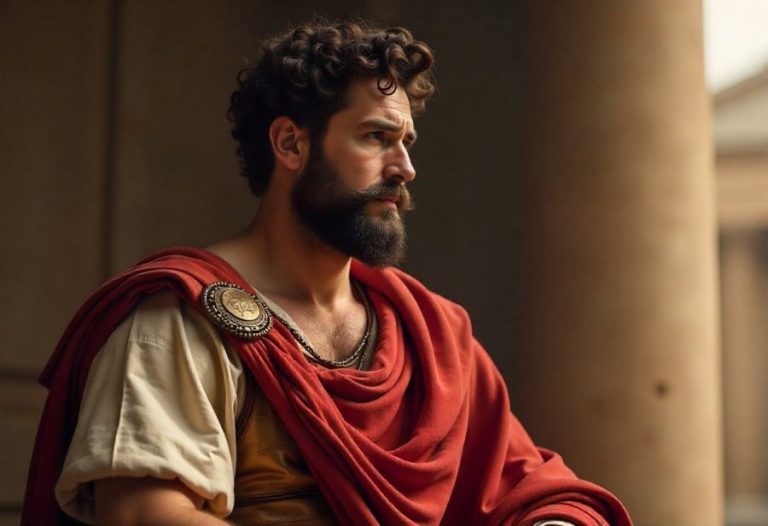
What do the legendary journeys of Odysseus and the dark vigilante Batman reveal about the true nature of heroism? While separated by millennia and myth versus modernity, both icons exemplify wit, resilience, and moral conviction as their greatest weapons against daunting odds. Odysseus’s cunning navigates mythical monsters and divine wrath, driven by a desire to reunite with his family, whereas Batman’s strategic mind and technological ingenuity combat Gotham’s villains, fueled by a quest for justice. Their stories challenge us to reconsider heroism beyond physical strength—highlighting that perseverance, creative problem-solving, and internal purpose forge genuine heroism. As challenges evolve in our world—climate crises, social upheavals—the qualities that define these heroes remain vital. But what do their contrasting motivations say about our understanding of heroism today? This exploration invites us to reflect on how inner strength and moral clarity continue to shape the heroes we admire—and aspire to become.
Heroism Through the Ages: Odysseus and Batman’s Enduring Legacies
Heroism has captivated human imagination for centuries, constantly evolving but never losing its core appeal. From ancient myths to modern comics, stories of brave individuals facing daunting challenges continue to inspire us. Odysseus and Batman stand as two iconic examples from vastly different worlds, yet both embody qualities that define true heroism: wit, resilience, and a relentless drive to overcome adversity. Their stories remind us that heroism isn’t solely about physical strength but also about mental toughness and moral conviction.
Odysseus, the legendary Greek hero, navigates a perilous journey filled with mythical monsters, divine wrath, and treacherous waters. His cleverness and strategic thinking are what help him survive and eventually return home. Meanwhile, Batman, the dark knight of Gotham, relies on intellect, detective skills, and technology to fight crime and uphold justice. Despite their differences in setting and tone, both heroes demonstrate that resourcefulness and perseverance are at the heart of heroism.
What makes their stories particularly compelling is the way their motivations shape their actions. Odysseus’s drive to reunite with his family and reclaim his throne fuels his resilience. Batman’s unwavering sense of justice and protection for others keeps him fighting, even when personal sacrifice is involved. These motivations show that heroism isn’t just about external deeds; it’s rooted in internal purpose and conviction.
Both figures also reveal that heroism involves acknowledging imperfections. Odysseus’s pride and occasional recklessness lead to setbacks, while Batman’s moral struggles add complexity to his character. These flaws humanize them and demonstrate that true heroism often involves confronting and accepting vulnerabilities. Their journeys teach us that resilience and moral strength are vital, even amid flaws and doubts.
Their stories offer more than entertainment—they provide insights into what it means to face challenges with ingenuity and resolve. The enduring appeal of Odysseus and Batman lies in how they embody timeless qualities that resonate today. By understanding their stories, we see that heroism isn’t confined to myth or fiction; it reflects our own capacity for courage, wit, and perseverance in everyday life.
Defining Heroism: From Mythical Strength to Moral Resilience
Heroism has taken many forms across different eras, shaped by the values and challenges of each society. In ancient times, heroism was primarily about physical strength, bravery in battle, and moral integrity. Figures like Hercules or legendary warriors exemplified traits such as courage, sacrifice, and martial skill, with stories often celebrating external victories over enemies. These stories reinforced societal ideals that valor and might were the highest virtues, placing heroism firmly in the realm of physical prowess.
Today, our understanding of heroism has expanded beyond mere strength. While bravery remains important, qualities like wit, resilience, and moral conviction now play vital roles. Odysseus’s cleverness and perseverance demonstrate that mental agility can be just as heroic as physical might. Similarly, Batman’s reliance on detective skills, strategic planning, and innovative technology highlights how heroism can thrive in complex, morally nuanced settings. This shift reflects a broader view: heroism involves navigating ethical dilemmas, adapting to unpredictable circumstances, and staying true to one’s principles.
The roots of heroism are deeply embedded in myth and history. Odysseus, as depicted in Homer’s Odyssey, is more than a brave fighter—he’s a master strategist who uses intelligence to outwit monsters and divine obstacles. His resourcefulness and moral resolve set the foundation for modern notions of heroism, where mental strength and perseverance often outweigh brute strength. These stories remind us that heroism is as much about inner qualities—such as ingenuity and moral purpose—as it is about outward deeds.
Core qualities like wit, resilience, and purpose unite heroes across time and culture. Odysseus’s strategic thinking and unwavering determination enable him to survive long journeys filled with danger. Batman’s tactical brilliance and relentless drive help him combat Gotham’s villains and internal struggles. These traits underscore that true heroism requires mental resilience and a clear sense of purpose, especially when facing setbacks or moral gray areas. Recognizing our vulnerabilities and flaws humanizes these heroes and emphasizes that heroism isn’t about perfection but perseverance.
As the concept of heroism evolves, its essence remains rooted in inner strength and moral conviction. Whether in myth, history, or modern life, the greatest heroes are those who combine intelligence, resilience, and purpose. Their stories inspire us to cultivate these qualities within ourselves, showing that heroism is accessible to anyone willing to face challenges with courage and wit. In a world constantly changing, these timeless virtues continue to define what it means to be truly heroic.
Strategic Minds and Inner Drive: How Odysseus and Batman Conquer Challenges
Odysseus and Batman both demonstrate that wit and determination are essential tools for overcoming seemingly insurmountable obstacles. Odysseus’s cleverness shines early in his journey, particularly in his encounter with the Cyclops Polyphemus. Instead of relying on brute strength, he devises a simple yet brilliant plan—blinding the monster and slipping away under the cover of sheep. This act of strategic thinking not only saves himself and his crew but also highlights how mental agility can be the greatest weapon in dangerous situations. His resilience is evident in his perseverance through years of wandering, divine punishments, and personal loss, all driven by a fierce desire to return home. Each setback becomes a stepping stone, fueled by his unwavering commitment to his goal.
Similarly, Batman’s approach revolves around intelligence, tactical planning, and adaptability. Unlike heroes with superpowers, Batman relies on detective skills, technological ingenuity, and strategic foresight. His meticulous preparations before confronting villains like Bane or the Joker show how carefully crafted plans can turn chaos into victory. Every gadget, every move is calculated, allowing him to outthink enemies and stay a step ahead. His determination to protect Gotham and uphold justice remains steadfast, even when personal sacrifices threaten to overwhelm him. This mental agility and relentless resolve are what enable him to confront threats that seem impossible to defeat.
Both heroes reveal that motivation shapes their actions more than raw strength. Odysseus’s drive to reunite with his family and reclaim his throne fuels his resilience during setbacks. Loyalty and a strong sense of identity empower his strategic thinking and perseverance. Batman’s motivation, rooted in justice and a vow to safeguard others, pushes him through exhaustion and moral dilemmas. Their internal drives serve as guiding lights, transforming external challenges into opportunities to demonstrate resilience, intelligence, and moral conviction.
Their stories also emphasize the importance of persistence. Odysseus’s long, arduous journey tests his endurance and patience, demonstrating that heroism often involves maintaining effort over years of adversity. Batman’s refusal to abandon Gotham, despite personal tolls, underscores that perseverance is a hero’s backbone. Their ability to stay focused under relentless pressure shows that mental strength—resilience and purpose—is just as vital as external action in overcoming challenges.
Creativity and flexibility are central to their success. Odysseus’s resourcefulness in outwitting the Cyclops or resisting divine temptations underscores the need to think outside the box. Batman’s innovative gadgets and detective work illustrate that strategic adaptability is crucial in unpredictable circumstances. Both figures modify their plans to fit the situation, transforming obstacles into opportunities. Their capacity to think creatively under pressure elevates them beyond mere fighters to true heroes of the mind.
In the end, Odysseus and Batman demonstrate that mental resilience and strategic thinking often outweigh physical might. Their journeys show that heroism involves continuous effort, creative problem-solving, and unwavering purpose. Whether navigating mythical terrains or urban chaos, they exemplify how the mind can be the greatest asset. Their stories inspire us to develop our own wit and determination, recognizing these qualities as essential for overcoming everyday challenges and pursuing our own heroic paths.
Everyday Heroes: Applying Wit and Determination in Real-World Leadership
In the real world, wit and determination are just as vital as they are for legendary heroes. Leaders in business, community activism, and crisis management regularly rely on quick thinking and strategic planning to navigate complex challenges. The ability to assess risks on the spot, adapt swiftly, and craft innovative solutions often determines whether efforts succeed or falter. These traits inspire trust and confidence in teams, motivating others to persevere through uncertainty and setbacks. In many ways, effective leadership is a daily exercise in heroism—using intellect and resilience to guide others toward stability and growth.
People working in fields like healthcare, social justice, and education exemplify heroism through their unwavering commitment and moral clarity. During crises such as pandemics or social upheavals, their resilience and moral conviction push them forward despite limited resources, personal risks, or ethical dilemmas. Their ongoing efforts—sometimes behind the scenes—highlight that heroism isn’t always about dramatic acts but about consistent dedication to making a difference. Their perseverance serves as a reminder that heroism is rooted in everyday actions fueled by resolve and purpose.
Cultivating wit and determination involves deliberate effort. Developing critical thinking skills through puzzles, debates, or continuous learning sharpens mental agility. Building resilience requires reframing setbacks as opportunities for growth and maintaining focus on long-term goals. Clarifying core values and aligning actions with those principles provide moral clarity during chaotic times. These qualities grow through practice, reflection, and a willingness to learn from failures, transforming abstract ideals into tangible skills that empower us to face challenges confidently.
In practical terms, modern acts of heroism often involve navigating gray areas ethically. Whether improvising aid during natural disasters or making quick decisions under legal and moral constraints, heroism today demands moral judgment and adaptability. Healthcare workers, for instance, frequently operate under extreme stress, improvising with limited resources while prioritizing patient care. Such situations prove that heroism is as much about moral strength as it is about courage and perseverance—acting rightly even when the right choice isn’t clear-cut.
Fostering these qualities within ourselves and our communities creates a cycle of resilience and resourcefulness. Leadership training, emotional intelligence development, and mentorship programs help nurture critical skills and inner strength. Surrounding ourselves with role models—whether in real life or through inspiring stories—reinforces the importance of wit and perseverance. When communities value these traits, they foster collective resilience, turning ordinary individuals into everyday heroes. By cultivating our inner resolve and intelligence, we can face personal and societal challenges with renewed confidence and purpose.
The Future of Heroism: Embracing Innovation, Resilience, and Moral Courage
Throughout history, the core qualities of heroism—wit, resilience, and moral conviction—have proven to be timeless. These traits have helped individuals navigate crises, overcome adversity, and inspire others across different eras. As society continues to evolve, so too will the ways we demonstrate heroism. Future heroes may rely even more on technological tools, such as artificial intelligence, to solve complex problems and make strategic decisions. Despite these advances, the fundamental elements of inner strength and purpose will remain essential. The essence of heroism isn’t just about new methods but about the enduring human qualities that drive us to face challenges head-on.
Looking ahead, heroism is likely to become more diverse and decentralized. With widespread access to information and digital connectivity, everyday people can act as heroes through activism, innovation, or moral courage. The lines between hero and bystander are blurring, making heroism more accessible than ever. As global challenges like climate change, social inequality, and digital threats grow in complexity, mental agility and resilience will be crucial. These qualities enable individuals to adapt quickly and lead positive change, even in uncertain, volatile environments.
While tools and contexts may change, the fundamental lesson remains: heroism depends on inner resolve. The cunning of Odysseus and the relentless determination of Batman show us that mental strength often outweighs physical power. The greatest heroes of the future will be those who combine innovative thinking with unwavering purpose. Whether confronting environmental crises or social upheaval, their capacity to persist, adapt, and stay morally grounded will shape their impact. Resilience and ingenuity are what keep heroism relevant across generations, regardless of the era’s specific challenges.
Reflecting on these lessons, it’s clear that anyone can cultivate the traits that define heroism. Developing wit involves continuous learning, curiosity, and quick thinking. Building resilience requires embracing setbacks as opportunities for growth and maintaining a clear sense of purpose. Strengthening moral conviction means clarifying your values and acting consistently with them. These qualities don’t develop overnight but through deliberate effort and self-awareness. By nurturing them, we transform everyday actions into acts of heroism capable of inspiring meaningful change.
Thinking about the future, each of us has the potential to embody these qualities. Whether through small acts of kindness, leadership in our communities, or facing personal challenges with courage and wit, heroism is within reach. The stories of Odysseus and Batman remind us that heroism isn’t about perfection but perseverance and purpose. As the world becomes more interconnected and complex, the most influential heroes will be those who combine intelligence, resilience, and moral clarity. In doing so, they will help shape a future where heroism continues to reflect the best of the human spirit.
About the Author