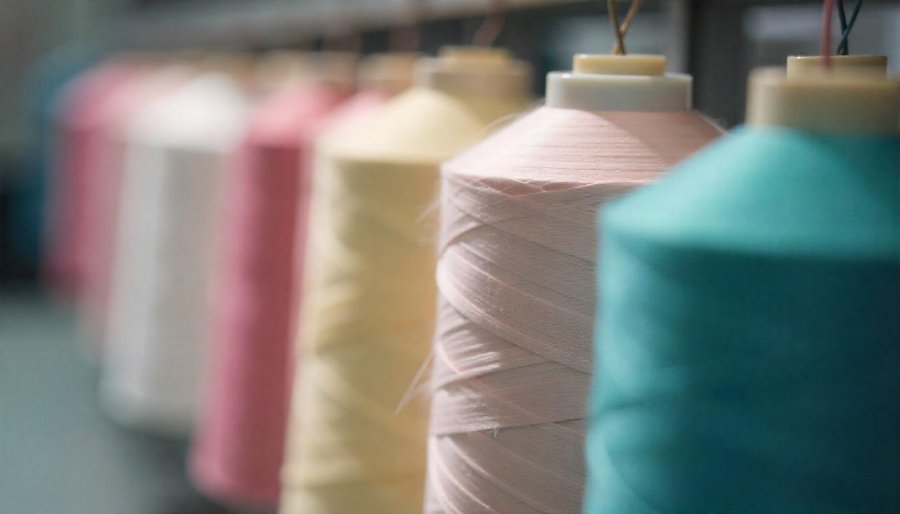
Nylon is woven into the fabric of daily life—used in clothing, carpets, and industrial products—thanks to its durability and affordability. But beneath its practical appeal lies a hidden environmental toll rooted in its petrochemical origins. Derived from oil and natural gas through energy-intensive processes, nylon’s production releases pollutants and greenhouse gases that accelerate climate change. Once discarded, nylon fibers resist decomposition, fragment into microplastics, and pollute oceans and soils, threatening marine life and potentially entering the human food chain. This paradox of convenience versus ecological cost prompts a critical question: can we rethink our reliance on such synthetic fibers? As awareness mounts, industries are exploring recycled and bio-based alternatives, yet a collective shift is essential. This compelling story invites us to reconsider whether the long-lasting benefits of nylon justify the profound environmental consequences it entails—urging a move toward sustainable innovations for a healthier planet.

Unveiling Nylon: Everyday Material with Hidden Environmental Costs
Nylon is one of those materials that’s so embedded in our daily lives we hardly think about it. It’s in the clothes we wear, the carpets under our feet, and a thousand other products we use without a second thought. Its popularity comes down to its durability, elasticity, and affordability—qualities that make it a staple in fashion, industry, and household items alike. From activewear and hosiery to fishing lines and parachutes, nylon’s versatility has cemented its place in modern life. Yet, beneath this convenience lies a complex environmental story that’s often overlooked.
Most people don’t realize that nylon’s journey begins with fossil fuels—oil and natural gas—that are increasingly scarce and environmentally costly to extract. These resources are refined into chemicals like hexamethylenediamine and adipic acid, which serve as the building blocks for nylon. The process to turn raw petrochemicals into fibers is energy-intensive and involves high heat, pressure, and chemical reactions. Every step, from resource extraction to polymerization, contributes to greenhouse gas emissions and environmental degradation, creating a paradox where a practical material also drives ecological harm.
Once the monomers are synthesized, they undergo polymerization—a process that links them into long, stable chains. These chains form the backbone of nylon’s strength and flexibility. The molten polymer is then extruded through tiny nozzles called spinnerets, shaping it into fibers that can be spun into yarns or woven into fabrics. This entire manufacturing cycle relies heavily on fossil fuels, not only for raw material but also for energy, which further fuels climate change. The result is a product that’s durable and long-lasting, but also linked to a high environmental footprint.
The environmental impact of nylon doesn’t end once it’s in use. When discarded, nylon fibers tend to persist for decades or even centuries in landfills because they don’t biodegrade naturally. Over time, these fibers fragment into microplastics—tiny microfibers—that contaminate water bodies and soil. Every time nylon textiles are washed, microfibers shed and escape into wastewater, passing through treatment plants and ending up in oceans, lakes, and rivers. Marine life ingests these particles, mistaking them for food, which can cause physical harm and introduce toxic chemicals into the food chain.
The chemical stability that makes nylon so durable also makes it resistant to natural breakdown, turning discarded fibers into long-term pollutants. Microplastics from nylon can be ingested by marine animals and enter the human food chain via seafood, raising serious health concerns. Additionally, the production process itself releases pollutants like nitrous oxide and carbon dioxide—powerful greenhouse gases that accelerate climate change. This dependency on fossil fuels, combined with the environmental toll of its lifecycle, highlights how nylon’s convenience comes at a significant ecological cost.
As awareness of these issues grows, so does the push for alternatives. Recycled plastics, such as polyester, are increasingly replacing virgin nylon in textiles. Natural fibers like organic cotton, hemp, and linen offer biodegradable options with a lower environmental footprint. Meanwhile, innovative bio-based nylons—derived from renewable biomass—are emerging as promising substitutes that mimic nylon’s desirable qualities without relying on fossil fuels. Transitioning to these sustainable options will require collective effort from consumers, manufacturers, and policymakers to rethink our reliance on traditional nylon and move toward a more environmentally responsible future.
Nylon’s Chemical Heart: Understanding Its Composition and Manufacturing
Nylon is a synthetic polymer created through a process called polymerization, where small molecules known as monomers are chemically linked into long, repeating chains. This process results in a material renowned for its strength, elasticity, and durability, qualities that have made nylon a go-to fiber across numerous industries. The most common type, nylon 6,6, is produced from two key monomers: hexamethylenediamine and adipic acid. Both are derived from petrochemical sources—primarily oil and natural gas—making nylon inherently dependent on fossil fuels from the outset.
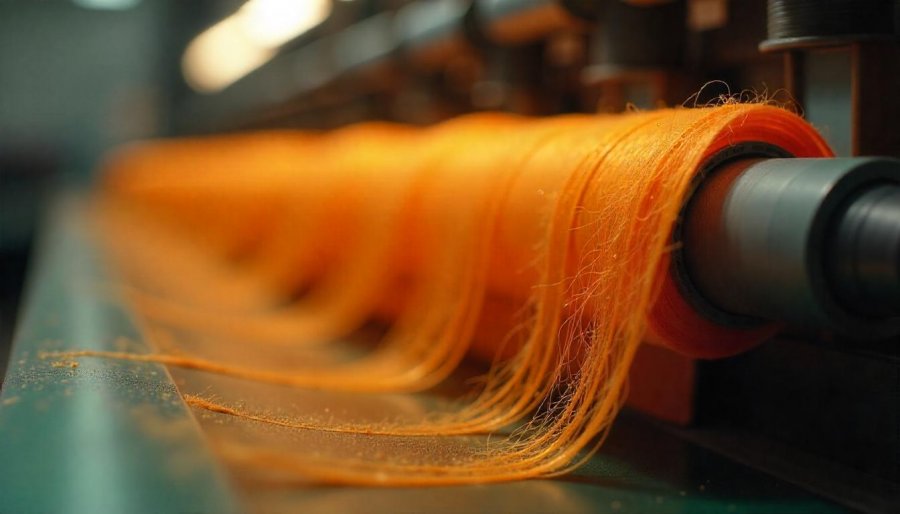
The production of these monomers involves complex chemical reactions that require precise control over temperature and pressure. During polymerization, the monomers are heated and combined, causing them to bond into long polymer chains. These chains form the backbone of nylon’s desirable properties, providing resistance to wear, elasticity, and strength. Once the polymers are formed, they are melted and extruded through tiny nozzles called spinnerets, shaping the raw material into fibers that can be spun into yarns or woven into fabrics.
This extrusion process transforms the molten nylon into fine filaments, which are then spun into yarns or woven as textiles. The entire manufacturing cycle relies heavily on energy supplied by burning fossil fuels, making the process energy-intensive and environmentally impactful. The extraction and refining of oil and natural gas require significant land use, water consumption, and emissions, with these activities contributing directly to environmental degradation and climate change. The chemical reactions involved in producing nylon’s monomers also generate waste byproducts, some of which can be hazardous if not properly managed.
The reliance on petrochemicals means that the production of nylon releases pollutants such as volatile organic compounds (VOCs) and greenhouse gases into the atmosphere. During manufacturing, emissions like nitrous oxide—a potent greenhouse gas—are released, further contributing to global warming. The high energy demands of both raw material extraction and polymerization underscore nylon’s carbon footprint, linking this synthetic fiber to broader environmental issues like resource depletion and pollution.
Beyond its creation, nylon’s environmental impact persists throughout its lifecycle. Once discarded, nylon fibers resist natural breakdown, often persisting in landfills for decades or even centuries. Over time, these fibers fragment into microplastics—tiny microfibers that contaminate water bodies and soils. Every wash cycle sheds microfibers from nylon textiles, which pass through wastewater treatment systems and end up in oceans, lakes, and rivers. Marine life ingests these microplastics, mistaking them for food, leading to physical harm and the transfer of toxic chemicals through the food chain.
Understanding nylon’s chemical composition and manufacturing methods reveals why this material is so durable yet environmentally costly. Its chemical bonds are engineered for resilience, which also means it resists natural degradation processes. While this durability offers practical benefits—such as long-lasting clothing and industrial products—it also results in persistent environmental pollution. Microfibers from nylon textiles are now recognized as a significant source of microplastic pollution, raising concerns about their long-term impact on ecosystems and human health. This complex chemistry and manufacturing cycle make nylon both a marvel of modern material science and a challenge for sustainable development.
Nylon Today: Widespread Use and Environmental Challenges
Today, nylon ranks among the most common synthetic fibers in the world, woven into countless aspects of daily life. From the activewear we don at the gym to the durable carpets under our feet, its presence is nearly unavoidable. Its appeal lies in a combination of strength, elasticity, and affordability, making it a staple in both fashion and industrial applications. Whether used in clothing, household textiles, or specialized gear, nylon’s versatility keeps it at the forefront of manufacturing choices.
The process behind its production starts with transforming petrochemicals—mainly oil and natural gas—into key building blocks called monomers. These chemicals, such as hexamethylenediamine and adipic acid, undergo complex reactions involving high heat and pressure to form long, stable polymer chains. This polymerization process is essential, as it grants nylon its famous durability and elasticity. Once created, these polymers are melted and forced through tiny nozzles called spinnerets, shaping them into fibers that can be spun into yarns or woven into fabrics.
This manufacturing cycle is highly energy-dependent. Extracting and refining fossil fuels require significant land use, water consumption, and emissions, all of which exert pressure on ecosystems. The chemical reactions involved in creating nylon’s monomers also produce waste byproducts, some of which can be hazardous if not properly managed. During production, emissions like nitrous oxide—an especially potent greenhouse gas—are released, adding to nylon’s carbon footprint and reinforcing its link to climate change.
Once in use, nylon’s environmental footprint continues. Discarded garments and products often end up in landfills, where they can persist for decades or longer. Because nylon fibers are resistant to natural breakdown, they gradually fragment into microplastics—tiny microfibers—that contaminate water bodies and soils. These microfibers are shed during washing, passing through wastewater treatment systems and entering oceans, lakes, and rivers. Marine life ingests these fibers, mistaking them for food, which can cause physical harm and introduce toxins into the food chain.
Every wash cycle exacerbates this problem. Nylon textiles shed microfibers that escape into wastewater, bypassing filtration systems and ending up in natural water bodies. Marine animals ingest these particles, which can cause internal injuries or blockages, leading to death or reduced reproductive success. Because nylon fibers are chemically stable, they resist natural degradation, turning into long-lasting pollutants that accumulate in ecosystems, with potential repercussions for human health through seafood consumption.
The durability that makes nylon so practical also makes it environmentally problematic. Its resistance to natural decomposition means discarded nylon products can linger in landfills for hundreds of years. Over time, these fibers break down into microplastics, which then disperse widely in the environment. This persistent pollution contributes to the global microplastic crisis, affecting marine biodiversity, soil quality, and water safety. The scale of this issue has prompted urgent calls for more sustainable alternatives.
In response, industries and consumers are increasingly turning to greener options. Recycled plastics, like polyester derived from plastic bottles, are replacing virgin nylon in many applications, reducing reliance on fossil fuels. Natural fibers such as organic cotton, hemp, and linen offer biodegradable alternatives that produce less environmental impact during cultivation and disposal. Researchers are also developing bio-based nylons made from renewable biomass, aiming to combine performance with sustainability.
Transitioning to these alternatives requires collective effort. Manufacturers need incentives to adopt eco-friendly materials, policymakers to support sustainable practices, and consumers to make informed choices. Recognizing nylon’s environmental costs is key to driving this shift. As awareness grows, so does the potential to redefine our relationship with this ubiquitous fiber—prioritizing environmental health alongside practicality.
About the Author