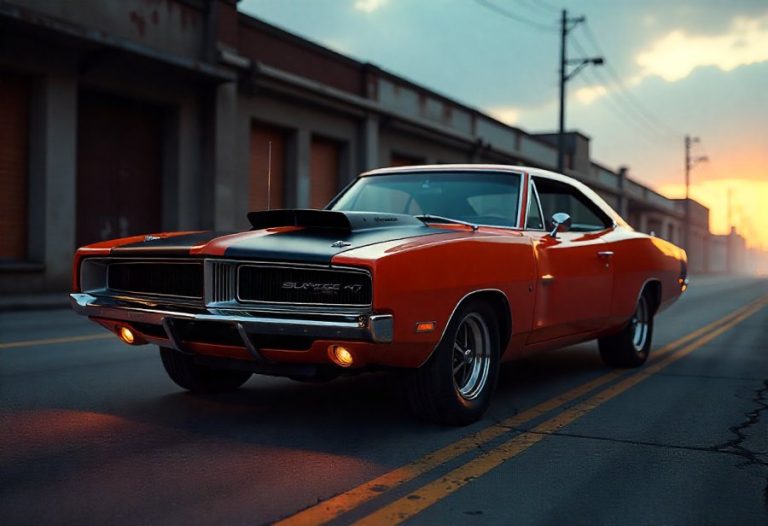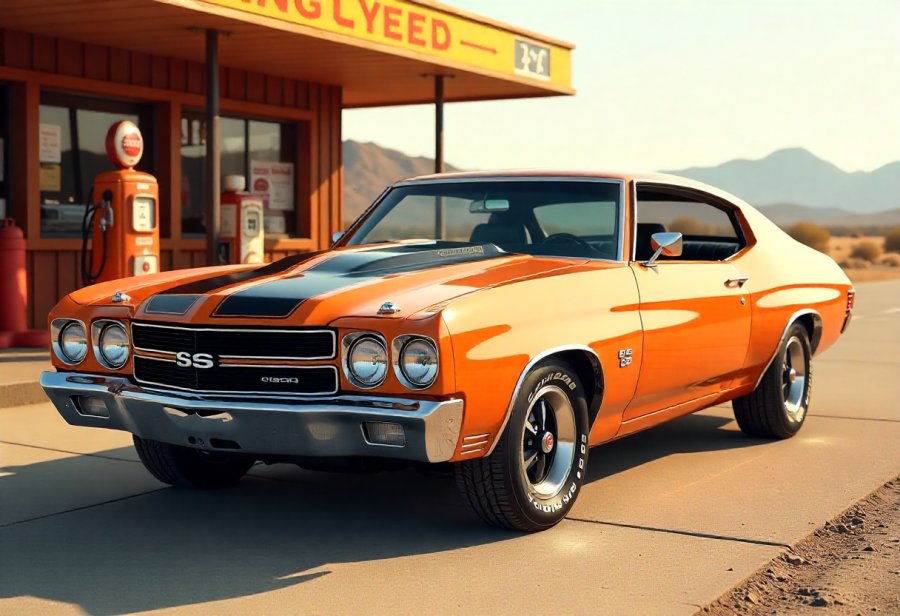
Step back into the roaring heart of the 1970s muscle car era with the Chevrolet SS—a symbol of raw power, bold aesthetics, and rebellious spirit. From the thunderous 454-cubic-inch V8 engines to the aggressive styling and iconic color schemes, these cars embodied American ingenuity and performance excellence. They weren’t just vehicles; they were cultural icons representing freedom, individuality, and daring innovation. Yet, as regulations and environmental concerns emerged, their legacy faced challenges, igniting a nostalgia that persists today. Modern reinterpretations merge vintage charm with cutting-edge technology, keeping the spirit alive while adapting to a new era of sustainability and safety. Will the future of muscle cars honor their legendary past while embracing innovation? The powerful roar of yesterday’s giants may evolve, but their essence—performance, attitude, and attitude—continues to inspire generations, proving that the boldest legends never truly fade.
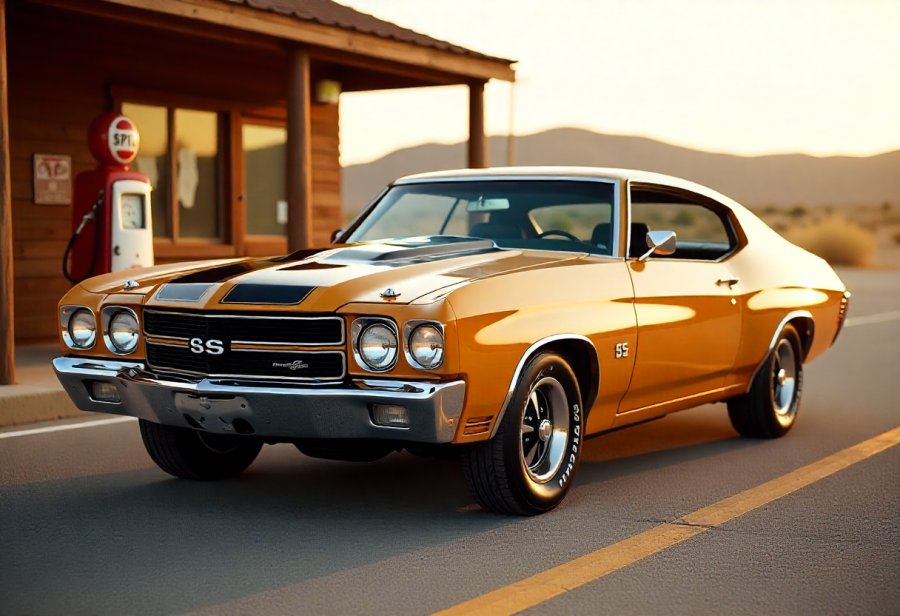
Revel in the Power and Style of 1970s Chevrolet SS
The 1970s marked the peak of the muscle car era, a time when American automakers pushed performance and style to their limits. Cars like the Chevrolet SS became more than just transportation—they were symbols of freedom, rebellion, and unrestrained power. With their bold lines, aggressive styling, and thunderous engines, these vehicles captured the spirit of an era obsessed with speed and individuality. They weren’t merely about getting from point A to B; they were rolling expressions of American ingenuity and flair.
This decade saw muscle cars defining a unique cultural identity. Automakers such as Chevrolet, Ford, and Dodge crafted vehicles that prioritized large-displacement V8 engines, often pushing beyond 400 horsepower. Their looks were just as daring—scooped hoods, racing stripes, wide stances, and shiny chrome details made them head-turners everywhere they appeared. Chevrolet’s SS models, especially the Chevelle SS 454 and Camaro SS, exemplified this trend, blending raw power with bold aesthetics that made a statement on streets and strips alike.
The significance of these machines extends beyond their specs. They embodied a spirit of rebellion and daring innovation that resonated across American pop culture. These cars appeared in movies, music videos, and TV shows, cementing their status as icons of freedom and excitement. Enthusiasts didn’t just buy them for transportation; they collected, restored, and took pride in their striking looks and thunderous engines. Car clubs and racing communities grew around them, turning muscle cars into symbols of a lifestyle rooted in performance and attitude.
Yet, the muscle car scene wasn’t without challenges. Rising fuel prices, stricter emissions standards, and safety regulations gradually limited their performance potential. Despite these hurdles, the rebellious spirit endured. The Chevrolet SS, with its commanding presence and engineering prowess, stood as a testament to the era’s boldness. These cars became more than machines—they became cultural symbols representing an age when speed and style ruled the roads.
Today, the legacy of the 1970s Chevrolet SS remains vibrant. Restorers and collectors see these cars as more than vintage relics—they’re tangible links to a high-octane golden age. Their roaring engines and aggressive styling evoke nostalgia and admiration, reminding us of a time when horsepower and attitude reigned supreme. The muscle car era’s spirit continues to inspire enthusiasts, ensuring that these icons remain central to American automotive history.
Muscle Cars: Symbols of American Identity and Rebellion
Muscle cars of the late 1960s and early 1970s did more than just deliver raw horsepower—they became powerful symbols of American identity and innovation. Their bold, aggressive designs and roaring engines captured the imagination of a nation eager for excitement and independence. These cars weren’t merely transportation; they were rolling expressions of rebellion, embodying the desire to stand out and make a statement on the open road. From the thunderous growl of their engines to their striking visual presence, muscle cars became cultural icons that defined a generation.
The rise of muscle cars coincided with a societal shift toward performance and individualism. Automakers like Chevrolet, Ford, and Dodge focused on creating vehicles that prioritized unfiltered power and eye-catching aesthetics. Large-displacement V8 engines, often exceeding 400 horsepower, were engineered to turn heads and deliver adrenaline-fueled speed. Their design elements—scooped hoods, racing stripes, wide stances—weren’t just for show; they signaled a car built for performance and attitude. These styling choices made muscle cars unmistakable on the street and in the culture.
Muscle cars played a key role in shaping American pop culture. They appeared in movies, music videos, and TV shows, reinforcing their status as symbols of freedom and rebellion. The rumble of a Chevelle or Camaro became synonymous with the thrill of the open road, inspiring admiration and desire. Enthusiasts didn’t just buy these cars for daily driving; they collected, restored, and showcased them as tangible links to a golden age of daring engineering. Car clubs and racing communities grew around these icons, cementing their place as cultural landmarks.
Despite their popularity, the era faced challenges. Rising fuel prices, stricter emissions standards, and safety regulations gradually limited performance options. Yet, the rebellious spirit of muscle cars persisted. Their imagery—racing down highways or roaring off drag strips—continued to symbolize daring and innovation. Even as regulatory constraints grew, these cars maintained their allure as symbols of freedom and the pursuit of speed.
Today, muscle cars like the Chevrolet SS stand as enduring symbols of a bygone era. They evoke nostalgia and admiration, reminding us of a time when American engineering dared to be loud, proud, and unapologetically bold. Their presence in movies, art, and car culture keeps their legacy alive, inspiring new generations to embrace the daring attitude that made them legendary. These vehicles are more than machines—they’re icons of American ingenuity, performance, and rebellious spirit.
The community of enthusiasts and collectors plays a vital role in preserving this legacy. Restoring and maintaining these cars isn’t just a hobby; it’s a way of keeping the spirit of muscle cars alive. Sourcing authentic parts and sharing stories at car shows ensures that the history and culture continue to thrive. For many, owning a muscle car is about connecting with a powerful piece of American history, embodying the daring, freedom-loving attitude that made these cars legendary.
The cultural impact of muscle cars extends beyond their mechanical prowess. They symbolize a desire to break free from convention, to chase adrenaline and express individuality. Their iconic designs and thunderous sounds evoke a sense of rebellion that resonates across generations. As they continue to inspire movies, music, and art, muscle cars remain timeless symbols of American performance and attitude, embodying the relentless pursuit of speed and freedom that defined an entire era.
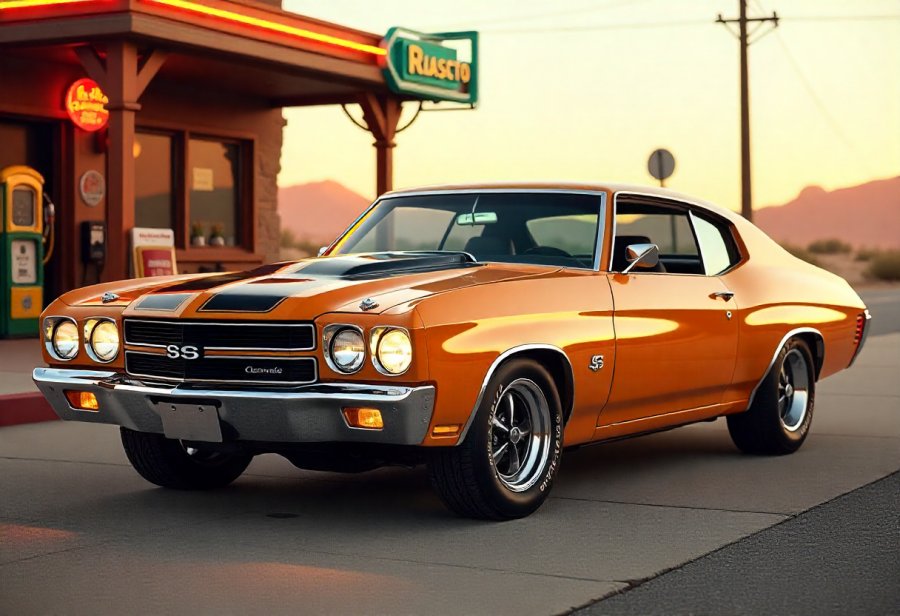
Unleashing Power and Attitude: The 1970s Chevrolet SS Models
The 1970s Chevrolet SS models stand as the pinnacle of muscle car power and bold styling, capturing the essence of an era defined by high performance and striking design. The Chevelle SS 454, introduced in 1970, remains one of the most iconic vehicles of this period. Under its hood, a massive 454-cubic-inch V8 engine roared to life, producing over 450 horsepower. This powertrain delivered blistering acceleration and top speeds that still turn heads today, making it a true beast on the street. Its aggressive stance was enhanced by features like the cowl-induction hood, which not only looked fierce but also improved airflow for better performance.
The Camaro SS offered a sleeker silhouette without sacrificing muscle. Equipped with potent engine options such as the 350 and 396 cubic inch V8s, some pushing beyond 375 horsepower, it balanced raw power with nimble handling. Its design emphasized sharp lines and a prominent front grille, complemented by rally wheels that added to its athletic appeal. The lighter body weight and aerodynamic shape made it a favorite for spirited driving, showing that muscle and agility could go hand in hand.
Both models shared signature design elements that became hallmarks of the muscle car aesthetic. Wide stances, low profiles, and aggressive front ends gave these cars an unmistakable presence. Hood scoops, dual exhausts, and bold color schemes like Hugger Orange, Lemans Blue, and Red Hot weren’t just visual choices—they signaled performance and attitude. These aesthetic touches made sure that wherever they appeared, they commanded attention and respect, embodying the rebellious spirit of the era.
Beneath their eye-catching exteriors, the engineering was equally formidable. The Chevelle SS 454’s big block engine delivered explosive acceleration and high top speeds, making it a street legend. Meanwhile, the Camaro’s lighter frame and responsive handling made it ideal for quick maneuvers and street racing. Heavy-duty suspensions and performance-tuned components allowed drivers to harness their cars’ immense power with confidence. This combination of design and engineering turned these models into true American muscle icons, admired both for their looks and their performance.
These cars transcended their mechanical prowess, becoming symbols of rebellion and daring innovation. Their presence in movies, music, and pop culture cemented their status as cultural icons representing freedom and youthful exuberance. Restoring and maintaining these vehicles remains a labor of love for enthusiasts, who see them as tangible links to a golden age of American automotive daring. Their thunderous engines and bold styling continue to inspire admiration and passion, ensuring their legacy endures in the collective memory of muscle car history.
The 1970s Chevrolet SS models are more than just vintage cars—they are enduring symbols of a performance-driven, rebellious spirit. Their powerful engines, aggressive looks, and cultural significance make them timeless icons. Whether driven on the streets or showcased at car shows, these models embody everything that made the muscle car era unforgettable. They remind us why American automotive craftsmanship was—and still is—about pushing boundaries, daring to stand out, and celebrating raw, unfiltered power.
Nostalgia and Legacy: The Enduring Spirit of the 1970s Chevrolet SS
The nostalgic power of the 1970s Chevrolet SS runs deep, resonating far beyond its impressive specifications and striking design. These cars evoke a visceral emotional connection, serving as vivid symbols of a time when driving was about more than just transportation—it was an act of rebellion, freedom, and attitude. For many enthusiasts, catching a glimpse of a restored Chevelle or Camaro sparks memories of youthful days spent cruising open highways, weekend adventures, and high-speed chases that felt like scenes straight out of a movie. The roar of a big-block engine isn’t just a sound; it’s a heartbeat that transports us back to an era when horsepower and boldness ruled the roads.
Visually, these cars are instantly recognizable icons, their racing stripes, cowl-induction hoods, and vibrant paint colors like Hugger Orange and Lemans Blue telling stories of daring innovation and fierce competition. These design elements aren’t just aesthetic choices—they’re visual declarations of performance and personality. Seeing one today still turns heads and ignites admiration, proving that their cultural relevance endures. They’re more than vintage vehicles; they’re living memories that continue to inspire awe.
The engine’s thunderous growl plays a crucial role in their nostalgic appeal. That unmistakable deep rumble is a call to adventure, a reminder of the raw, unfiltered power that defined the muscle car era. For those lucky enough to experience it firsthand, it’s a visceral reminder of youth and rebellion—of feeling alive behind the wheel. This auditory signature has become part of the cultural fabric, echoing through generations and reinforcing the legacy of American muscle.
Today, these cars are cherished as more than collector’s items—they’re tangible links to a golden age of daring engineering. Restored to their former glory, they serve as time capsules that embody the spirit of an era when speed and style collided in spectacular fashion. Car shows, movies, and pop culture continue to celebrate their stories, keeping their legacy alive in the collective imagination. These vehicles stand as symbols of freedom and the relentless pursuit of performance, inspiring new appreciation for the daring attitude that made them legends.
For many owners, restoring a vintage Chevrolet SS is a labor of love, a way to preserve history and keep the flame of that rebellious spirit burning. Authentic parts and craftsmanship ensure these cars retain their original character, allowing owners to connect with the past while enjoying modern reliability. Each restored example acts as a moving tribute to the high-octane days of the muscle car boom, fostering a sense of pride and continuity that spans generations.
The cultural impact extends beyond the realm of automobiles into movies, music, and art—where muscle cars symbolize youthful rebellion and the desire to break free from conventions. Their bold styling and thunderous engines continue to inspire stories of daring, independence, and adventure. These icons of American ingenuity evoke a timeless sense of freedom, reminding us why muscle cars remain powerful symbols of attitude and performance. Their roar, both past and present, continues to resonate, fueling passion and inspiring new generations to chase their own dreams of speed and rebellion.
Innovating the Future: The Evolution and Legacy of American Muscle Cars
The future of American muscle cars is taking an exciting turn, blending the raw power and bold aesthetics of the past with cutting-edge technology. Electric powertrains are leading the charge, offering instant torque and impressive acceleration without the emissions associated with traditional engines. Automakers are reimagining muscle cars with electrification, creating models that deliver adrenaline-pumping performance while aligning with modern standards for sustainability and efficiency. This evolution isn’t about replacing the legacy but enhancing it, ensuring muscle cars remain relevant in a world increasingly focused on environmental responsibility.
Meanwhile, modern interpretations of classic models are gaining momentum. These vehicles combine vintage-inspired designs with advanced materials, safety features, and driver-assist technology. Drivers can enjoy the nostalgic look and feel of a muscle car while benefiting from modern reliability and comfort. This fusion makes the muscle car experience more accessible and appealing to a new generation of enthusiasts, who crave both style and substance. It’s a smart way to keep the DNA of these icons alive, without sacrificing practicality.
Customization is also evolving, with owners exploring hybrid setups that blend electric motors with traditional engines for improved performance and efficiency. Some are experimenting with autonomous driving features while maintaining the aggressive attitude that defines muscle cars. These innovations allow for a broader appeal—offering high performance with added convenience and safety—without diluting the rebellious spirit that made muscle cars legendary.
As stricter safety and emissions standards reshape the industry, automakers are finding innovative ways to push performance boundaries within these new constraints. Lightweight materials, aerodynamic enhancements, and sophisticated powertrain technologies enable muscle cars to deliver impressive speeds and handling. They do so while meeting modern environmental and safety expectations, proving that performance and responsibility can coexist. The essence of American muscle—powerful, bold, and unmistakably expressive—continues to thrive in this new landscape.
Enthusiasts and collectors remain at the heart of this transition. Communities dedicated to restoration and preservation actively drive innovation, sourcing authentic parts and sharing knowledge to maintain the legacy. This ongoing passion ensures that the spirit of the muscle car endures, inspiring new builds that honor tradition while embracing the future. Their dedication keeps the history vibrant, proving that even as technology advances, the core values of attitude, performance, and individuality stay unchanged.
Looking ahead, the story of American muscle cars is one of continuous adaptation. While the roaring engines of yesterday may give way to electric motors, the desire for speed, style, and freedom remains unwavering. This ongoing evolution guarantees that muscle cars will continue to inspire and excite, symbolizing not only a proud past but also a bold, innovative future. The roar of tomorrow’s muscle cars might be quieter, but their impact will be just as loud—and more meaningful—than ever before.
About the Author