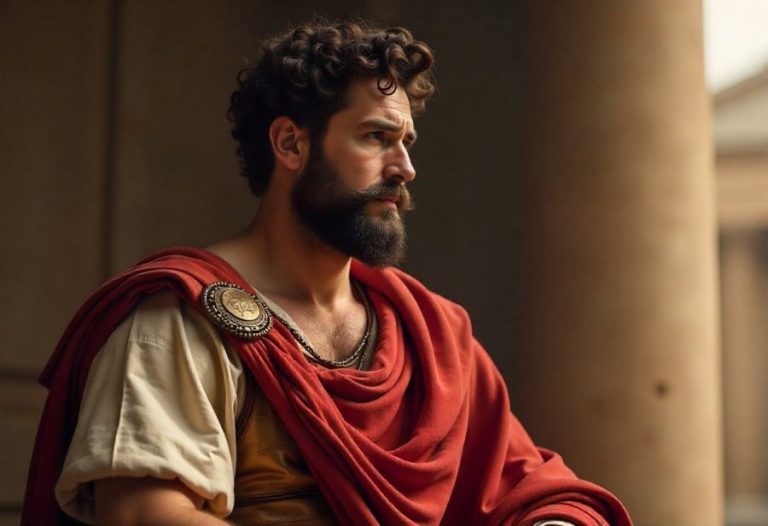
Christopher Columbus’s voyages stand as a pivotal crossroads in global history, igniting a wave of exploration, colonization, and cultural exchange that transformed the world—yet at what human cost? This riveting narrative explores how Columbus’s daring journey in 1492, driven by ambition and a quest for new routes to Asia, led to the discovery of the Americas and the birth of a connected global landscape. However, beneath this achievement lies a legacy marred by violence, exploitation, and cultural upheaval for indigenous peoples. His actions sparked centuries of colonization, disease, and cultural loss, shaping a complex legacy that continues to evoke debate. Is exploration inherently intertwined with suffering? The story invites readers to reflect on the duality of progress—its promises and its perils—challenging us to reckon with history’s darker chapters while understanding the profound impact one voyage had on shaping our modern world.
Unveiling Columbus’s Impact: A Journey That Changed World History
Christopher Columbus’s voyages mark a pivotal moment in world history, fundamentally transforming how societies understand and connect with one another. His 1492 expedition did more than just stumble upon new lands; it ignited a wave of exploration, colonization, and cultural exchange that reshaped the global landscape. While often celebrated as the “discovery” of the Americas, it’s crucial to recognize that indigenous peoples had thrived on these lands long before Columbus’s arrival. His journey opened the door to a new era—one characterized by unprecedented movement of people, goods, and ideas across continents.
Columbus’s significance extends beyond the mere act of discovery. His voyages set in motion the interconnected world we live in today, laying the groundwork for centuries of European expansion. The Columbian Exchange, which followed, introduced crops, animals, and technologies that changed diets and ecosystems worldwide. Yet, it also brought devastating diseases and violence that decimated native populations and displaced entire communities. This dual legacy of progress and suffering continues to shape debates about his place in history.
The story of Columbus is also one of relentless ambition. A Genoese sailor with modest beginnings, he was driven by a fierce curiosity about the world and a belief that Asia could be reached by sailing west. Despite repeated rejections from other European powers, he persisted, studying maps and ancient texts, convinced that a shorter route to Asia was possible. His unwavering confidence eventually convinced Spain’s monarchs to back his voyage, setting the stage for one of history’s most famous journeys.
His voyage across the Atlantic was perilous and uncertain. Sailed with three ships—Santa María, Pinta, and Niña—Columbus faced the fears and doubts of his crew, many of whom believed they might be sailing off the edge of the world. After more than two months at sea, land finally appeared. Instead of Asia, Columbus encountered the Caribbean, believing he had reached the outskirts of Asia. This misjudgment didn’t diminish the significance of his discovery; rather, it marked the beginning of a new chapter in world history.
Columbus’s legacy is complex and continues to evoke strong opinions. To some, he symbolizes exploration’s spirit and the dawn of a connected world. To others, he embodies the darker side of colonization—exploitation, violence, and cultural destruction. His actions in the Americas sparked centuries of upheaval for indigenous peoples, with consequences that echo today. Recognizing both the achievements and atrocities of his voyages helps us understand the full scope of his impact.
His story prompts reflection on the nature of discovery itself. Exploration often comes with human costs—displacement, suffering, and loss of culture. Columbus’s legacy reminds us that progress can be intertwined with exploitation. This awareness encourages a more honest, nuanced view of history, one that respects the resilience of indigenous communities and acknowledges the complex motives behind exploration.
As we examine Columbus’s role in shaping the world, it’s clear his voyages are a symbol of both human curiosity and the consequences of expansion. They opened pathways for global exchange but also initiated centuries of colonization and conflict. Understanding this duality helps us appreciate the full scope of his impact—an impact that continues to influence how we see progress, discovery, and cultural resilience today.
From Genoa to Greatness: The Early Life That Forged a Bold Explorer
Christopher Columbus was born around 1451 in Genoa, Italy, into a modest family. His father, Domenico, was a wool weaver, and his mother, Susanna, came from a family involved in trade. Growing up in a working-class environment, Columbus developed an early fascination with the sea. Unlike many of his peers who followed traditional trades, he was captivated by maps, geography, and stories of distant lands. From a young age, he spent hours studying charts and dreaming of exploration, laying the foundation for his future ambitions.
By his teenage years, Columbus was already sailing along the Italian coast, gaining practical experience aboard merchant ships. These early voyages exposed him to the challenges and wonders of seafaring life, sharpening his skills as a navigator and sailor. Traveling along the Mediterranean and around the African coast, he learned how to handle ships, read the stars, and manage crews under difficult conditions. These experiences weren’t just about navigation—they strengthened his confidence and deepened his belief that he could find new routes and lands.
Columbus’s obsession with exploring the unknown grew as he aged. He devoured maps, books, and the works of ancient geographers, especially Ptolemy, whose ideas about the Earth’s shape and possible sea routes inspired him. He became convinced that the world was round and that a westward journey could lead directly to Asia. This wasn’t a new idea—many explorers before him had pondered similar routes—but Columbus believed he could actually make it happen. His unwavering conviction pushed him to pursue his vision despite repeated rejections from European courts.
His early years of curiosity and perseverance shaped the man who would sail into the unknown. Growing up in Genoa’s bustling port, he absorbed stories of distant lands and dreamed of discovering them himself. His hands-on seafaring experience gave him practical skills, while his relentless study of geography fueled his confidence. These combined elements created a determined explorer eager to challenge the limits of the known world.
Despite his ambitions, convincing others of his bold plan was a struggle. Columbus faced rejection from Portugal, England, and other nations skeptical of his ideas. Yet he persisted, studying maps and refining his proposals with unwavering focus. His obsession with finding a westward route to Asia kept him going through years of setbacks. When Spain’s monarchs, Queen Isabella and King Ferdinand, finally agreed to sponsor his voyage, it marked a turning point—one that would send him across the Atlantic into uncharted waters.
His background—humble beginnings, early seafaring, and intense curiosity—prepared Columbus for the extraordinary journey ahead. These early experiences of exploration, combined with his relentless pursuit of discovery, set him on the path to change the world forever. His childhood of dreaming big and working hard created the foundation for one of history’s most famous voyages, driven by a mix of ambition, resilience, and a desire to uncover new horizons.
Discovery’s Heavy Toll: The Enduring Consequences for Indigenous Peoples
Columbus’s voyages had far-reaching consequences that reshaped the course of history, often in ways that weren’t immediately apparent. For indigenous peoples across the Americas, his arrival marked the beginning of a brutal and often devastating era. European colonization brought violence, forced labor, and the rapid spread of diseases like smallpox and measles, which decimated native populations. Entire societies were displaced or wiped out, and their ways of life, languages, and spiritual practices were profoundly disrupted. The cultural fabric of entire communities was torn apart, leaving scars that still influence the region today.
The European nations, inspired by Columbus’s discoveries, launched a rush to claim new lands, extract resources, and establish colonies. This wave of exploration initiated the Columbian Exchange, which transferred crops, animals, and technologies across continents. While this exchange introduced foods like potatoes and tomatoes to Europe and new livestock to the Americas, it also brought diseases and conflicts that caused immense suffering. Native populations often found themselves caught in the middle of this upheaval, facing exploitation, displacement, and violent conquest.
Culturally, Columbus’s voyages triggered a profound transformation. European languages, religions, and governance systems replaced indigenous traditions, often through force. Missions aimed at converting native peoples to Christianity, and colonizers imposed new social structures that marginalized original cultures. The process was marked by violence and suppression, leading to the erosion of countless indigenous practices and identities. These shifts set the stage for centuries of cultural dominance that continue to shape societal dynamics today.
Columbus’s role in this history is undeniably complex. While he is credited with opening the Americas to European influence and establishing global trade routes, his actions also initiated centuries of exploitation. His treatment of native populations, driven by greed and a desire for wealth, led to brutal abuses and the destruction of thriving civilizations. The epidemics he unwittingly unleashed caused populations to plummet, leaving a legacy of tragedy rooted in the pursuit of discovery.
Today, debates about Columbus’s legacy are more intense than ever. Many recognize his contributions to global exploration, but they also acknowledge the suffering inflicted upon indigenous peoples. Statues are being reconsidered, and monuments removed, reflecting a desire to confront the darker side of his legacy. This reassessment encourages a more honest understanding—one that recognizes both the achievements and the atrocities that shaped the New World’s history.
Understanding the full impact of Columbus’s voyages reveals a story of exploration intertwined with human costs. Progress often came at great expense, and acknowledging this helps us better appreciate the resilience of native communities. It reminds us that discovery isn’t just about new lands but also about the stories of those who suffered and resisted. As we reflect on this history, it prompts a more responsible view of exploration—one rooted in respect, awareness, and a commitment to justice.
Reflections on Columbus’s Legacy: Lessons of Exploration, Exploitation, and Resilience
Columbus’s story continues to shape how we view exploration and colonization today. His voyages symbolize human curiosity and the relentless drive to discover, but they also serve as a stark reminder of the darker consequences—exploitation, violence, and cultural destruction—that often accompany such pursuits. Recognizing this duality helps us understand that exploration isn’t simply about progress; it involves complex human costs that can’t be overlooked.
In recent years, there has been a shift toward including indigenous perspectives in the narrative. Moving beyond the traditional hero story, this approach highlights resistance, displacement, and cultural resilience. It challenges us to see Columbus not just as an explorer but as a catalyst for centuries of upheaval for native peoples. This broader view fosters a more honest, nuanced understanding of history—one that values the voices long silenced and emphasizes the ongoing impact of colonization.
Examining Columbus’s motives reveals how exploration has often been driven by greed, territorial ambitions, and economic gain. These motivations sometimes overshadow ethical considerations, leading to brutality and exploitation. Reflecting on these lessons reminds us that the pursuit of progress must be balanced with responsibility and respect for those affected. It prompts us to consider how modern exploration—whether technological or environmental—must prioritize human dignity and cultural integrity.
The cultural shifts initiated by Columbus’s voyages continue to influence societies today. European languages, religions, and governance structures replaced indigenous traditions across the Americas, often through force. While some celebrate the exchange of ideas and goods, others mourn the loss of diversity and spiritual practices. Recognizing these impacts encourages us to honor indigenous resilience and to approach history with humility and respect for cultural differences.
Today’s debates about Columbus’s legacy reflect a broader move toward honesty and inclusivity. Moving away from simple hero-villain narratives, we acknowledge the full scope of his influence—both the achievements and the atrocities. This balanced perspective fosters empathy and justice, pushing us to confront uncomfortable truths and embrace a more complete story of the past.
Understanding Columbus’s legacy is a call to reflect on the true cost of discovery. Progress often comes hand in hand with suffering and loss. Recognizing the human stories behind the voyages—stories of resistance, survival, and resilience—reminds us that history is multi-layered. It urges us to pursue growth with awareness, compassion, and a commitment to justice for those whose lives were forever changed.
Confronting this history encourages a more responsible approach to exploration today. It challenges us to honor diverse narratives and to remember that progress should never come at the expense of human dignity. Acknowledging both the light and dark sides of Columbus’s legacy allows us to build a future rooted in respect, inclusion, and a deeper understanding of our shared human story.
The Final Reflection: Embracing a Complex and Honest View of Columbus’s Role in History
Columbus’s voyages remind us that exploration is a double-edged sword. They sparked global connections and opened new horizons, but also unleashed centuries of suffering for indigenous peoples. Recognizing this complexity is essential to understanding his true legacy. Celebrating discovery without acknowledging the violence, displacement, and cultural destruction that accompanied colonization leaves an incomplete picture of history.
A key lesson is to view history from multiple perspectives. For too long, narratives emphasized European achievement while ignoring the stories of those who suffered under colonization. Including indigenous voices reveals resilience, resistance, and the profound costs of exploration. This fuller picture challenges us to see discovery not just as progress, but as a process intertwined with suffering and upheaval.
Exploration driven by greed and territorial ambitions often overlooked ethical considerations. Columbus’s relentless pursuit of wealth and land shaped his treatment of native populations, leading to exploitation and brutality. Reflecting on these motives reminds us that progress can come with human costs, urging a more responsible approach in today’s pursuits—whether technological, environmental, or cultural.
The cultural shifts initiated by Columbus’s voyages endure today. European languages, religions, and governance replaced indigenous traditions across the Americas, often through violence. While exchange brought new ideas and goods, it also caused cultural erasure and loss. Recognizing these impacts fosters respect for indigenous resilience and the importance of safeguarding diverse identities and practices.
Moving beyond hero and villain labels, a nuanced view of Columbus’s legacy encourages honesty and empathy. It recognizes his role in shaping the modern world while confronting the darker side of colonization. This balanced perspective helps us understand that progress and suffering are often intertwined, prompting more compassionate reflections on our shared history.
Understanding Columbus’s story is a call to reflect on the true costs of discovery. Progress often involves sacrifice, displacement, and cultural loss. Remembering the stories of resistance and survival emphasizes that history is layered and complex. It urges us to pursue growth with awareness, compassion, and respect for those whose lives were forever changed.
This reflection pushes us toward a more responsible, inclusive approach to exploration today. Honoring diverse narratives and acknowledging past mistakes ensures that progress is rooted in dignity and justice. Confronting both achievements and atrocities fosters a future built on respect, understanding, and humility.
By embracing the full scope of Columbus’s legacy, we learn the importance of honesty in history. Progress should never come at the expense of human dignity. Recognizing the intertwined stories of achievement and suffering helps us build a more compassionate, equitable world—one that honors resilience and learns from the past’s complexities.
About the Author