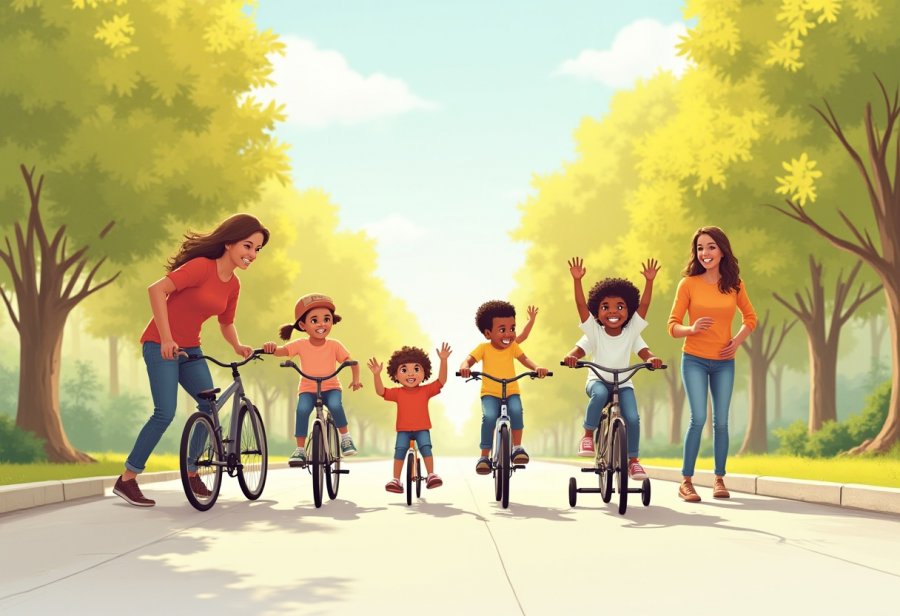
Learning to ride a bike symbolizes more than just mastering a new skill; it encapsulates courage, resilience, and the unbreakable bonds of family. As children wobble, fall, and get back up, they discover that setbacks are integral to growth, fostering independence and confidence. But does the fear of falling overshadow the thrill of freedom? This journey of perseverance involves emotional and physical development, supported by family encouragement and community efforts that turn each wobble into a lesson in bravery. With evolving technologies and inclusive programs, the way children learn to ride is transforming, making the experience safer and more accessible. Will future innovations deepen the connection between resilience and joy? Ultimately, this timeless rite of passage teaches us that growth involves wobbling, falling, and rising—each moment shaping resilient, confident individuals ready to pedal toward life’s adventures with courage and support.
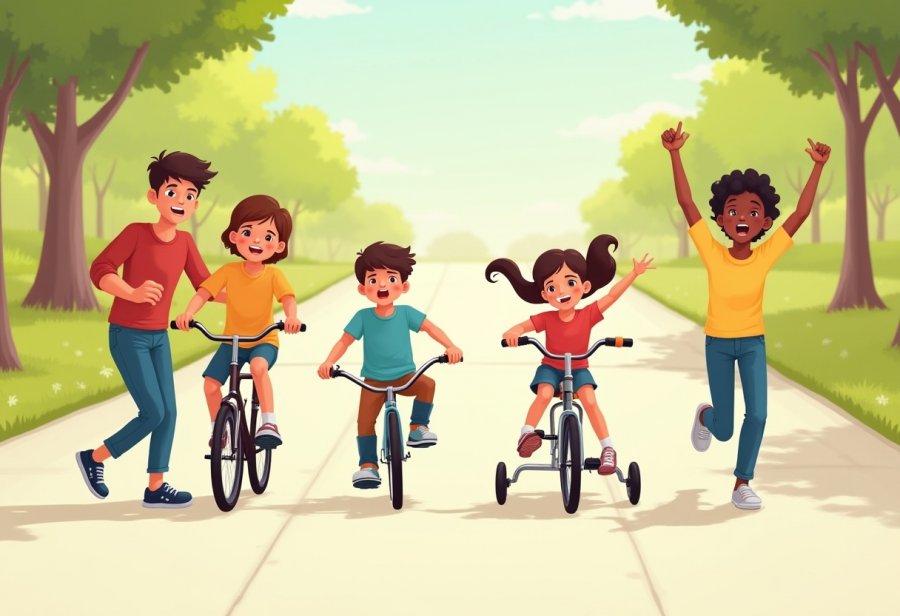
Embark on the Emotional Journey of Learning to Ride
Learning to ride a bike is more than just picking up a new skill; it’s a milestone filled with emotion and meaning that sticks with kids—and their families—for years. From those first wobbly attempts to the triumphant moment when balance finally clicks, each step marks a leap toward independence. It’s a shared journey of nerves, effort, and celebration, often taking place in sunlit parks or quiet neighborhoods where family support makes all the difference.
For children, mastering the bike sparks a powerful sense of achievement. It’s their first taste of freedom, a sign that they’re growing up and capable of tackling new challenges. Parents and siblings are right there, offering reassurance and encouragement, turning what could be a shaky start into a bonding experience. Watching a child wobble, fall, then get back up creates deep pride and connection that last long after the ride.
But this journey isn’t just about mechanics. It’s about facing fears—those of falling, failing, or not being good enough—and pushing through with support. When parents run alongside or cheer from the sidelines, they send a message that setbacks are just part of learning, not failures. These moments teach children that perseverance and courage matter more than perfection, shaping their resilience for other life challenges.
The process isn’t always linear. Some kids pick up riding quickly, while others need more time and patience. Regardless of the pace, creating a positive environment where effort is celebrated helps children feel safe to try, fall, and try again. Such support turns the experience into a joyful adventure rather than a stressful ordeal, laying a foundation of confidence that extends beyond biking.
As they gain confidence, children start seeing bikes as more than just a mode of transport. Biking becomes a symbol of their ability to face fears and succeed. The pride they feel when riding independently builds a sense of resilience and independence that influences all areas of life. It’s a story of growth, courage, and family bonds that shapes their outlook long after they’ve mastered the wheels.
This journey isn’t only about the child. It’s a shared experience that strengthens family ties. The patience, support, and encouragement offered during those early rides create lasting memories and trust. These moments remind us that growth often involves wobbling, falling, and getting back up—together. Learning to ride becomes a universal story of courage and connection, resonating far beyond the bike lane.
Building Foundations: The Physical and Psychological Benefits of Riding
Learning to ride a bike is about more than just balancing on two wheels; it’s a journey that weaves physical development with emotional growth. As children learn, they improve motor skills like balance, coordination, and strength—all while building confidence and a sense of independence. These benefits often go unnoticed but are just as essential as mastering the mechanics of riding. Each small victory, whether it’s staying upright longer or pedaling more confidently, boosts their self-esteem and encourages them to keep trying.
The learning process is gradual and tailored to each child’s pace. Many start with support from family members, using training wheels or balance bikes that focus solely on stability. As children become more comfortable, they progress to pedaling, steering, and balancing without assistance. This step-by-step approach prevents overwhelm and makes the experience enjoyable, laying a solid foundation for lasting confidence. Celebrating these small milestones keeps motivation high and turns learning into a series of positive achievements.
Beyond physical skills, riding fosters resilience. Kids inevitably face falls, wobbles, and moments of doubt, but with consistent encouragement, these setbacks become opportunities to develop patience and persistence. Praising effort rather than perfection teaches children that perseverance is the key to progress. Overcoming these hurdles helps them internalize that failure isn’t final but part of growth—a lesson that extends far beyond biking.
Psychologically, conquering the fear of falling has a profound impact. When children realize they can push past anxieties and succeed, they develop a mindset of bravery and resilience. This confidence in facing challenges encourages a positive attitude toward new tasks and adventures. Support from family creates a safe environment where children feel secure to experiment and take risks, knowing they have a safety net of reassurance.
Learning to ride is not just about mastering a skill; it’s about nurturing resilience, confidence, and independence. Every wobble, fall, and recovery along the way contributes to a broader journey of growth. When supported with patience and encouragement, children learn that effort and persistence turn fears into achievements. These lessons become the stepping stones for future challenges, shaping a resilient attitude that benefits them in many areas of life.
The emotional growth that accompanies learning to ride often proves more valuable than the skill itself. Overcoming doubts and wobbling through falls teaches children that setbacks are just part of growth. Support from family and their own persistence help build a mindset that embraces new challenges with courage. Riding then becomes a symbol of personal strength and resilience—a tangible reminder that facing fears head-on leads to success. These lessons about perseverance and support are what make the experience truly transformative.
As children develop their skills, the confidence gained extends beyond biking. They learn that effort, patience, and support are essential in tackling any challenge. The physical act of balancing on two wheels becomes a metaphor for facing life’s obstacles with courage. The emotional rewards—pride, independence, and resilience—are just as important as the mechanics of riding. This foundation prepares them for future adventures, both on and off the bike.
In the end, learning to ride is a powerful blend of physical achievement and emotional empowerment. It’s a process that teaches kids not only how to balance on wheels but also how to balance life’s challenges with grit and grace. Each wobble and fall is a step forward, shaping confident individuals ready to pedal into new experiences. The journey underscores that growth often involves wobbling, falling, and getting back up—together—making every ride a lesson in resilience and courage.
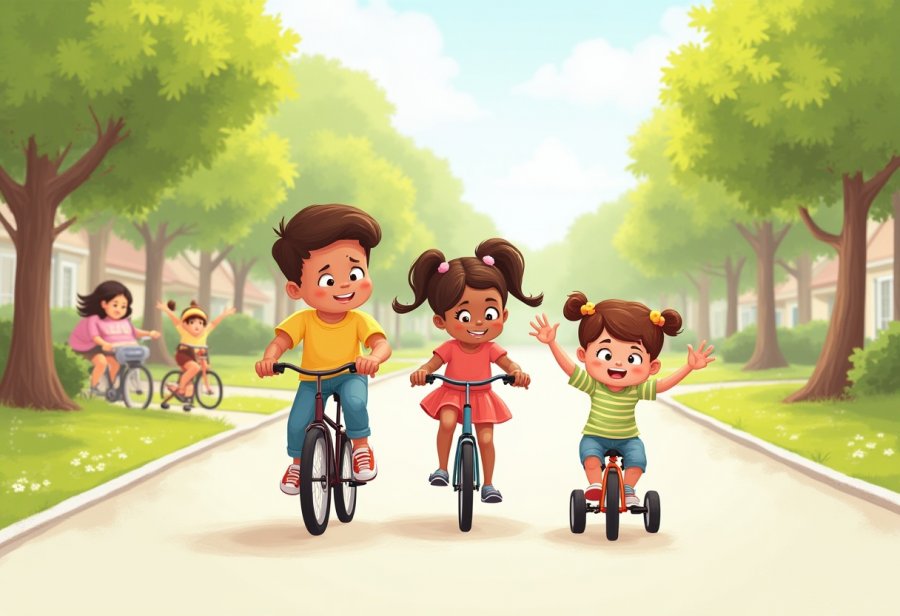
Deep Dive: Exploring the Social and Mental Aspects of Learning to Ride
Learning to ride a bike is as much a psychological journey as it is a physical one. Children often feel a whirlwind of emotions—excitement, nervousness, frustration—that can either motivate or hinder their progress. Overcoming the fear of falling is usually the biggest hurdle. When kids sense that support is consistent and positive, they learn to view setbacks not as failures but as essential steps in their growth. This mindset helps them develop resilience and a growth-oriented attitude that can carry over into many other areas of life.
Social interactions are deeply intertwined with the learning process. Riding often becomes a shared activity, fostering bonds within the family. Siblings cheering each other on or parents offering gentle guidance turn learning into moments of connection and teamwork. These shared efforts create a sense of belonging and trust, reinforcing the belief that success is a collective achievement rather than an individual struggle. When children see that their family believes in their ability to succeed, they are more likely to persevere through challenges.
Gradual exposure and modeling also play crucial roles. Starting with simple tasks like balancing on a support or a balance bike helps children build confidence without overwhelming them. As their comfort grows, they move on to pedaling and steering, each step reinforcing their sense of mastery. Positive reinforcement, whether through praise or small rewards, encourages continued effort and makes the learning process feel rewarding rather than daunting. This step-by-step approach makes the experience enjoyable and helps sustain motivation.
Different teaching methods bring their own strengths. Training wheels provide stability and security, allowing children to focus on pedaling and steering. Balance bikes emphasize equilibrium before introducing pedaling, while hands-on guidance from parents helps children feel supported during initial attempts. No matter the method, patience and understanding are vital. Recognizing each child’s unique learning pace prevents frustration and keeps the journey fun. When children feel safe and supported, they’re more willing to take risks and push their boundaries.
The emotional growth that emerges from learning to ride is often just as significant as the physical skill itself. Conquering fears and wobbling through falls teach children that setbacks are part of progress. These experiences foster a sense of bravery and self-trust, empowering them to face new challenges with confidence. Supporting children through these moments helps internalize that effort and persistence lead to success, building resilience that extends well beyond biking.
Ultimately, riding a bike becomes a symbol of personal strength. Each wobble and fall is a lesson in perseverance, and each small victory reinforces their belief in themselves. As children develop their skills, they learn that taking risks and facing fears head-on are essential parts of growth. The social and psychological aspects of learning to ride not only help kids master a new skill but also shape their character—teaching them that resilience, patience, and support are the keys to overcoming any challenge.
Practical Tips: How to Make Bike Learning Safe and Enjoyable
Getting started with teaching a child to ride a bike begins with selecting the right equipment. A bike that fits comfortably and matches their size can make a world of difference. Balance bikes or bikes with training wheels provide stability and help children focus on developing their sense of balance without the fear of falling. Choosing a flat, open space like a park, driveway, or quiet street creates a safe environment where kids can practice freely. Such spaces eliminate distractions and hazards, allowing them to build confidence step by step.
Motivation plays a crucial role in making bike learning enjoyable. Break the process into small, achievable goals—like balancing for a few seconds or pedaling a short distance—and celebrate each success. Recognizing progress, no matter how minor, encourages kids to stay eager and engaged. Keep your tone positive and focus on effort rather than perfection, transforming frustration into motivation. This approach helps children associate riding with fun and accomplishment.
Support from family members is vital throughout the learning journey. Holding the bike steady or guiding their feet on the pedals provides reassurance and a sense of security. As their skills improve, gradually reduce your assistance to promote independence. Breaking the process into manageable steps—first balancing, then pedaling, then steering—prevents overwhelm and keeps the experience light and rewarding. Patience ensures that each child learns at their own pace without feeling pressured.
Safety should be a top priority. Always equip your child with a well-fitting helmet and protective gear like knee and elbow pads. Before each ride, do a quick safety check of the bike—brakes, tires, and handlebars—to prevent accidents. Teaching safety routines early, such as looking both ways before crossing or stopping safely, builds habits that will serve them well. When children feel protected, they are more willing to take risks and push their boundaries confidently.
Creating a relaxed, pressure-free atmosphere makes learning to ride a positive experience. Celebrate every wobble and fall as part of the process, emphasizing effort and persistence over perfection. Keep sessions short and fun to maintain enthusiasm and prevent frustration. The goal is to associate biking with joy, not stress. Over time, these small victories help build genuine confidence that encourages children to practice more and enjoy their progress.
As children gain more confidence, encourage consistent practice in familiar, safe settings. Regular riding helps reinforce skills and makes cycling feel natural. Sharing the activity—riding together or organizing family outings—turns learning into a bonding experience. These shared moments transform initial lessons into lasting memories and deepen their love for riding. With patience and encouragement, biking becomes more than just a skill—it becomes a source of independence and joy that lasts a lifetime.
Looking Forward: Innovations and Opportunities in Childhood Cycling
Looking ahead, childhood cycling education is poised for exciting growth fueled by innovation and greater accessibility. While core principles like safety, confidence-building, and family involvement will remain central, new technologies are beginning to reshape how kids learn to ride. Smart bikes equipped with sensors can offer real-time feedback on balance and pedaling, making practice more interactive and tailored to each child’s needs. These advancements help young riders identify and correct mistakes quickly, reducing frustration and boosting confidence.
At the same time, community programs and school initiatives are expanding their reach, emphasizing inclusivity and access. More organizations recognize cycling as a vital skill that promotes health, independence, and environmental awareness. As a result, children from diverse backgrounds gain opportunities to learn in safe, supportive environments, fostering a broader love for riding and a sense of belonging. This increased accessibility helps nurture a new generation of confident cyclists who see biking as both fun and empowering.
With growing awareness of environmental issues, cycling is increasingly viewed as a sustainable alternative to motorized transport. Families and schools are encouraging daily biking routines, instilling habits that contribute to a greener future. This shift isn’t just about recreation; it’s about making cycling an integral part of a child’s lifestyle, reinforcing values of resilience and responsibility. The emphasis on eco-friendly commuting aligns with global efforts to combat climate change, positioning cycling as a key skill for future generations.
Safety gear and training methods are also evolving, making learning to ride more comfortable and less intimidating. Lighter, more ergonomic helmets and protective equipment encourage consistent use, which is crucial for fostering confidence. Alternative approaches like balance bikes and supportive guidance systems offer personalized pathways that respect each child’s pace. These innovations aim to make the learning process smoother and more enjoyable, ensuring that more children develop a lifelong love for cycling.
Community involvement continues to deepen, with local clubs and family groups creating inclusive spaces for kids to ride together. Organized events and family rides foster social bonds and teamwork, transforming cycling from a skill learned in isolation to a shared adventure. These experiences help children see biking as a fun, social activity that boosts their motivation and persistence. As the culture around childhood cycling evolves, it becomes a powerful tool for building resilience, independence, and joy—qualities that will serve them well far beyond the bike lane.
About the Author