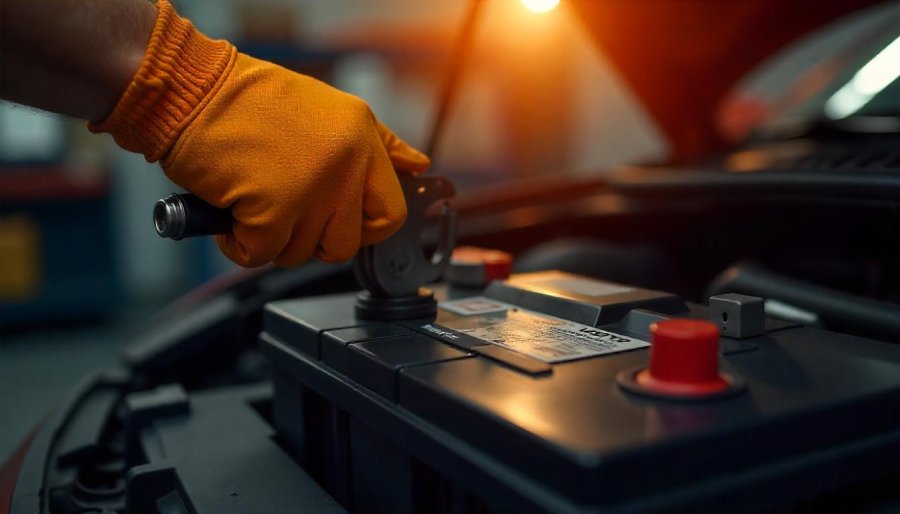
Many drivers believe that simply checking their car battery is enough to prevent breakdowns, but is that truly enough? Regular inspections, cleaning corrosion, and ensuring tight connections are vital steps, yet they may not be enough to guarantee worry-free driving. Environmental factors like extreme heat or cold can silently shorten your battery’s lifespan, while short trips prevent full recharging and lead to sulfation. Are you proactively protecting your investment by incorporating simple habits like using a battery maintainer or testing voltage regularly? This comprehensive approach not only extends your battery’s life but also wards off unexpected failures when you need your vehicle most. By understanding the subtle signs of aging and taking preventive measures, you turn routine maintenance into a powerful safeguard against roadside emergencies. Are you doing enough to keep your battery—and your peace of mind—fully charged?

Ensure Reliable Starts with Essential Battery Care
Your car’s battery might not be the first thing that comes to mind when thinking about vehicle maintenance, but it’s actually one of the most critical parts for reliable driving. A healthy battery ensures your car starts every time, no matter the weather or how long it’s been sitting. When the battery isn’t in good shape, you risk sudden breakdowns, often far from help or a mechanic. That’s why paying attention to your battery’s health isn’t just for car enthusiasts; it’s a smart move for anyone who wants their vehicle to perform when it matters most.
The battery’s role extends beyond just starting your engine. It supplies power to headlights, infotainment systems, and all the electronic features that make driving safer and more comfortable. As modern vehicles become more connected and tech-heavy, a weak or failing battery can cause issues far beyond a no-start situation. Understanding what your battery does helps highlight why regular maintenance is essential. Keeping it in good condition means fewer surprises on the road and fewer costly repairs down the line.
Checking your battery might seem simple, but it’s one of the most effective ways to prevent unexpected problems. Many drivers overlook this quick step, assuming it’s complicated or only necessary when something goes wrong. In reality, a visual inspection can reveal warning signs like corrosion on the terminals or cracks in the casing. These minor issues, if ignored, can lead to starting problems or complete failure. Regularly inspecting and cleaning the terminals, as well as ensuring all connections are tight, can make a big difference in maintaining reliability.
Corrosion around the battery terminals is a common culprit behind electrical issues. It appears as a white, bluish, or greenish crust and can interfere with the flow of electricity. Cleaning this buildup with a wire brush or a baking soda and water mixture restores good contact and helps your battery perform at its best. It’s a straightforward step that can extend the life of your battery and improve your vehicle’s overall dependability. Additionally, regularly checking for physical damage such as cracks, leaks, or bulges on the battery case can catch problems early before they lead to breakdowns.
Maintaining the connection between the battery and your vehicle is equally important. Loose or corroded terminals can cause intermittent starting issues or stalls. Gently wiggling the cables will reveal if they’re secure; if they move easily, tighten them properly. Keeping the terminals clean and tight ensures a solid electrical connection, vital for a reliable start every time. Taking a moment to tighten and clean your battery connections is a simple but highly effective step that prevents many common starting problems.
Listening to your vehicle’s sounds when starting can also reveal clues about your battery’s condition. A slow or labored engine crank often indicates a weak battery. Dimming headlights or electronics struggling to power on can also signal that your battery isn’t supplying enough energy. Addressing these signs early—by cleaning terminals, testing the battery, or replacing it—can prevent roadside emergencies. Small routine checks keep your vehicle dependable and give you peace of mind, knowing your battery won’t let you down when you need it most.

Master Key Practices to Keep Your Battery Healthy
Maintaining your car battery’s health isn’t complicated, but it does require consistent attention to a few simple practices. The first and most effective step is inspecting and cleaning the battery terminals regularly. Over time, corrosion—often appearing as a white, bluish, or greenish crust—can build up on the terminals, hampering the flow of electricity. This buildup is common in humid or salty environments and can cause starting issues or electrical glitches. Using a wire brush or a mixture of baking soda and water to clean the terminals removes this corrosion, restoring a solid connection and ensuring your vehicle starts reliably every time.
Beyond just cleaning, it’s vital to check the overall condition of your battery. Visual inspections can reveal cracks, leaks, or bulges in the casing—clear signs that your battery has suffered damage and may soon fail. Catching these issues early allows you to replace the battery before it leaves you stranded. Regularly examining the physical state of your battery helps maintain peace of mind, especially during extreme weather or long trips, where a sudden failure can be particularly inconvenient.
Securing tight and clean connections is equally crucial. Loose or corroded terminals can lead to intermittent starting problems or stalls, especially as temperatures drop. Gently wiggling the cables can reveal if they’re firmly attached; if they move easily, tighten them properly. Ensuring a snug fit prevents electrical interruptions and maintains a steady flow of power. Wiping away dirt and debris from the terminals also improves contact, reducing the risk of unexpected breakdowns and prolonging your battery’s lifespan.
Periodic testing of your battery’s charge state adds another layer of protection. Using a multimeter, you can quickly gauge whether your battery is holding enough voltage—around 12.6 volts indicates a healthy, fully charged battery. If the reading is significantly lower, it’s a sign you may need to recharge or replace the battery. Many auto parts stores offer free testing, making it easy to stay ahead of potential problems without investing in specialized equipment. Routine checks like this help you identify early signs of decline before they become roadside emergencies.
Environmental factors play a big role in how long your battery lasts. High temperatures accelerate internal wear, evaporate electrolytes, and can cause internal components to break down faster. Parking in shaded areas, garages, or using sunshades can protect your battery from extreme heat. Conversely, cold weather reduces a battery’s capacity and can make starting your vehicle more difficult. During winter, parking in sheltered spots or using a battery warmer keeps the temperature more stable, preventing freezing and preserving performance. These small adjustments, combined with regular maintenance, significantly extend your battery’s operational life.
Finally, adapting your driving habits and environment to favor your battery’s health makes a noticeable difference. Frequent short trips prevent the alternator from fully recharging the battery, leading to sulfation—the buildup of lead sulfate crystals—that diminishes capacity over time. If your routine involves lots of quick errands, consider using a battery maintainer or trickle charger, especially if your vehicle sits unused for extended periods. Protecting your battery from extreme temperatures and avoiding unnecessary discharges helps maintain its ability to deliver reliable power when you need it most. Incorporating these straightforward practices creates a dependable foundation for your vehicle’s electrical system, ensuring worry-free driving and fewer surprises along the way.
Proven Strategies for Long-Term Battery Longevity
Keeping your car battery in good shape over the long haul depends on developing simple yet consistent habits that protect its performance and extend its lifespan. Regularly inspecting and cleaning the terminals is one of the most effective steps you can take. Corrosion, which often appears as a bluish, greenish, or white crust on the terminals, forms quickly in humid or salty environments and hampers the flow of electricity. Cleaning this buildup with a wire brush or a mixture of baking soda and water restores a solid connection, ensuring your vehicle starts reliably and runs smoothly. Making this a routine habit prevents many issues before they develop, saving you time and money down the road.
Environmental factors can significantly influence your battery’s longevity. High temperatures accelerate internal wear, causing electrolytes to evaporate and internal components to degrade faster. Parking in shaded areas or garages, or using a sunshade, shields your battery from extreme heat, helping it last longer. Conversely, cold weather reduces a battery’s capacity, making it harder to start your vehicle. During winter, parking in sheltered spots or using a battery warmer helps maintain a stable temperature, preventing freezing and internal damage. Small adjustments like these are simple but effective ways to protect your battery from environmental stressors that can shorten its lifespan.
Another key to long-term reliability is avoiding frequent short trips that prevent your alternator from fully recharging the battery. Repeated quick starts and stops lead to sulfation—the buildup of lead sulfate crystals—which diminishes your battery’s capacity over time. If your routine involves lots of errands or city driving, consider using a battery maintainer or trickle charger. These devices keep your battery topped off during periods of inactivity and help prevent it from becoming chronically undercharged. By ensuring your battery remains properly charged, you reduce the risk of unexpected failures, especially during extreme weather or busy schedules.
Routine testing also plays a crucial role in extending your battery’s lifespan. Using a multimeter, you can quickly check the voltage—around 12.6 volts indicates a healthy, fully charged battery. If the reading falls well below this, it’s a sign that your battery is losing capacity and may need recharging or replacing soon. Many auto parts stores offer free battery testing, making it easy and affordable to keep tabs on your battery’s health. Catching early signs of decline allows you to act proactively, avoiding roadside breakdowns and costly repairs.
Environmental and usage habits aren’t the only factors at play; maintaining your vehicle’s electrical system is equally important. Faulty alternators, damaged wiring, or loose connections can drain your battery faster than normal. Regular electrical system checks by a mechanic can identify issues before they escalate. If your driving involves a lot of short trips or your vehicle sits unused for extended periods, using a battery maintainer becomes especially valuable. This small investment helps keep your battery charged and healthy, preventing it from deteriorating prematurely. Over time, these preventive practices create a reliable foundation that keeps your vehicle dependable in all conditions.
Taking these steps consistently turns battery maintenance from a chore into a simple routine that pays off in long-term reliability. By paying attention to environmental factors, performing regular inspections, and testing your battery’s health, you significantly reduce the chances of unexpected breakdowns. Small actions—like cleaning terminals, securing tight connections, and using maintainers—add up to a more dependable vehicle and fewer roadside emergencies. With a little effort, you can extend your battery’s lifespan, ensure your car starts when you need it most, and enjoy worry-free driving season after season.
About the Author